


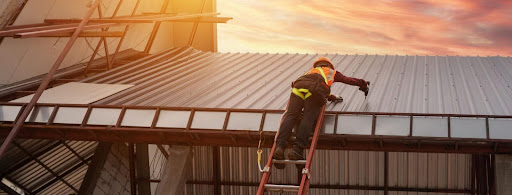
Roofing in winter is one of the most demanding and high-risk aspects of the construction and home maintenance industry. In regions like Ontario, where temperatures can drop well below freezing and snow accumulation is common, roofing professionals must operate under conditions that significantly increase both safety risks and technical challenges. Despite these obstacles, experienced roofing contractors continue to perform essential repairs and installations throughout the winter months by following strict safety protocols and adapting their methods to the environment.
Understanding how roofing experts ensure safe work practices in extreme winter conditions highlights the value of professional service and the importance of specialized training, equipment, and planning. These measures not only protect the workers on-site but also ensure that the roofing system remains structurally sound and properly installed.
Comprehensive Pre-Project Planning
The introduction to safety starts long before any worker applies foot pressure on a roof. Experienced roofing contractors will perform a pre-project evaluation to assess the roof access, weather, structural integrity, and any hazards. Ice build-up, snow loads, and varying temperatures are some of the factors the winter season brings with it, and thought must be given on how to handle them beforehand.
Roofing professionals keep a close eye on the weather and try to make the most of breaks in the weather to accomplish as much as they can during those periods of relative calm. High winds and snowdrifts, and bitter colds can cause a complete shutdown, because working in these conditions is unsafe and it would only mean more accidents – and poorer quality work.
Safe access points are also planned for during this process (above), along with identifying other roof surface problem areas, and ensuring you have everything you need for cold weather conditions.
Use of Specialized Cold-Weather Safety Equipment
The importance of winter roofing equipment cannot be overemphasised, as it includes equipment that promises user safety and comfort while operating in cold and icy conditions. Normal safety equipment is not enough when the surface is covered with snow and/or is frozen.
Commercial roofing teams have fall protection systems, including harnesses, lifelines, and roof anchors that are designed to keep them from slipping and falling. Footwear is selected to provide adequate traction on icy ground, and utensils are selected according to their suitability for use in cold climates.
In addition scaffolds and ladders are tied and stabilised so they won’t shift on snow or ice. This kind of preparation enables the worker to go about his work with confidence and security, even when he is performing the most intricate roofing work.
Controlled Snow and Ice Management
Before the repair or installation work starts, the presence of snow and ice on the roof are dealt with by roofing contractors. Yet, it is a process that should be taken with care in order not to create more risks or harm the roof system.
Professionals come equipped with the proper tools for clearing snow in a way that ensures even coverage of the weight across the surface the water rests on. Ice removal is done with care to not tear shingles or flashing. Instead of aggressively chip or scrape, they practice methods that are less impactful and allow for conditions that are safer for work.
Correct snow and ice management will not only increase safety, but also allow the immediate roof materials to be further inspected and repaired if necessary.
Adapting Installation Techniques for Low Temperatures
Severe cold can influence the performance of roofing materials as they are being installed. Adhesives don’t bond as well, shingles can snap, and some products need special handling to keep them intact. Roofing contractors modify their methods to suit the conditions.
Most materials are stored at a controlled temperature before they are installed to prevent freezing. During the installation, roofers may hand-seal or use additional fastening methods to help keep the shingles in place until they are able to stick in warmer weather.
These modifications are necessary if you want to maximise the roof’s performance. Without these, their winter installations might not last.
Strict Adherence to Safety Protocols
Safety is paramount for professional roofing companies, and they are subject to rigorous safety standards that are enforced through training and supervision. Workers receive training on winter roofing hazards, and must comply with predetermined policies.
Clear communication between workers, following the arrows on the roof, and checking the safety gear regularly for wear and tear or malfunction are part of this routine. Supervisors are essential in assessing conditions and ensuring that all precautions are maintained.
Additional measures such as these help protect against cold stress, which can lead to frostbite and hypothermia, even in the workplace. Workers are equipped with suitable protective clothing and are entitled to rest breaks during which they can warm up and sustain their physical vigour.
Understanding Structural Load and Stability
Winter roof work frequently requires the removal of large wet snow and ice loads that put extra strain on a structure. Roofers are able to spot signs of stress and work in such a way that the stability of the roof is maintained.
To ensure a controlled and even snow load removal that does not produce any abrupt moves. Experts also evaluate the integrity of the roof deck and underlying structure to verify they are capable of supporting both the workers and the additional load.
This level of attentiveness is very important in preventing structural damage and ensuring that the roof is safe throughout the repair process.”
Minimizing Risk Through Experience and Training
When it comes to staying safe while performing winter roof maintenance, experience is a large part of it. The seasoned pros have been through it all and know exactly what to do when they encounter the unexpected.
They are trained to be able to identify the hazards, use the equipment safely, and work on a roof with confidence. Their training and experience allow them to maintain the highest level of safety — even in the most difficult circumstances.
Homeowners who hire professional services tap into that proficiency, which translates into work that is safer and is done the right way to begin with.
Professional Insight on Winter Roofing Safety
The importance of safety in winter roofing cannot be overstated. As the team at Armour Shield Roofing explains, “Professional roofing teams rely on specialised safety equipment, cold-weather protocols, and proper planning to complete work safely in winter conditions. It’s not just about getting the job done—it’s about protecting both the workers and the integrity of the roof.”
This perspective reflects the comprehensive approach that experienced contractors take when working in extreme conditions. Every aspect of the process is carefully managed to ensure that safety remains the top priority.
Reducing Liability and Protecting Homeowners
Professional roofers also shield the homeowner from liability. Trusted firms are insured and comply with industry standards, and if anything does happen, they’re prepared to deal with it.
Risks that could be avoided for the homeowner are when they try to do roofing work themselves or hire an amateur. Professional services provide a certain responsibility and cushion of protection that is essential when operating in such dangerous environments.
Householders can expect responsible treatment of their home and full consideration with a team of experienced roofing professionals.
Final Thoughts
Severe winter weather has a unique list of obstacles to overcome in roofing work. An expert roofer implements multi-level precautions to ensure safe and efficient work, including meticulous planning and specialised equipment, as well as stringent safety policies and comprehensive training.
These techniques not only protect those working on the roof, but they also protect the roof, and the house remains structurally sound. As soon as homeowners understand the importance of these safety precautions, they will be able to make informed decisions and avoid the risk of trying to fix things by themselves.
In the end, winter roofing is not just about addressing immediate issues—it is about doing so in a way that prioritises safety, quality, and long-term performance. Professional expertise makes all the difference when conditions are at their most challenging.
Homeowner Caution Disclaimer: