


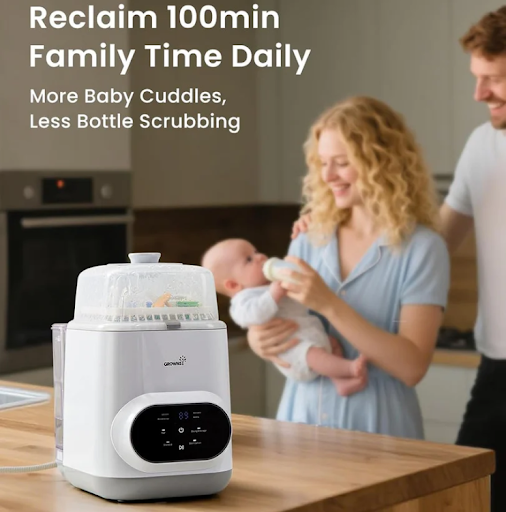
Many new parents assume baby bottles can be treated like regular kitchen items. After all, a bottle is just another container, right? It goes in the sink, gets scrubbed, and dries on the rack like everything else. In the early days, this mindset feels practical—until feeding schedules intensify and bottles start piling up faster than expected.
The truth is that baby bottle cleaning isn’t the same as normal dishwashing. It requires more precision, more frequency, and more attention to hygiene. When parents try to handle feeding gear with standard kitchen cleanup habits, it often becomes stressful, time-consuming, and hard to keep up with—especially in households that use bottles multiple times a day.
Why Infant Feeding Gear Is Different From Standard Dishware
The typical dish gets washed once after a meal. Baby feeding products are washed and sterilized multiple times a day, sometimes just a few hours apart. Having said that, this is not your ordinary workload-churner, it’s way above that kind of job. Bottles, nipples and pump parts need more than just the appearance of being clean — they need to be really clean because milk residue can hide in small spaces and may not be removed with regular scrubbing.
Baby feeding products consist of two types of equipment used in different stages of the weaning process. Bottles, nipples, anti-colic inserts, valves, breast pump flanges and pacifiers: these all have grooves and edges where residue can get stuck. These aren’t made to be washed quickly, not like a plate or a cup. Plus when they’re sleep-deprived, which makes it even tougher to consistently manage the process.
Hygiene Expectations Are Higher With Baby Items
Another difference is that baby feeding equipment sometimes has to meet higher sanitation standards. Although the utensils used in the kitchen for adult food may be contaminated with some bacteria, the immune systems of babies and especially new born babies are still developing, so they are particularly susceptible. A lot of parents have said they like to sterilize bottles and components on a regular basis, which makes it a bit more complicated.
That’s when the difference between ordinary kitchen clean-up and baby-care dissidents is most easily quantified. A standard kitchen schedule might suffice for dinner with the family, but round-the-clock feeding has different requirements.
Kitchen Dishwashing vs. Baby-Specific Cleaning Systems
In most homes, kitchen cleanup depends on a sink scrub, a drying rack, or a dishwasher. These tools are designed for general dishware, not small feeding parts. Dishwashers may clean bottles well enough in some cases, but they aren’t always optimized for nipples, pump parts, and accessories that need secure placement and thorough internal cleaning.
A baby bottle washing machine is designed around infant feeding gear, which makes it different from standard kitchen cleanup tools. Instead of relying on random water flow or hand scrubbing, baby-specific appliances use targeted spray patterns, dedicated compartments, and cleaning cycles made specifically for bottles and accessories. The goal is not just cleaning—it’s consistent, repeatable hygiene that fits a baby feeding schedule.
What Makes Baby Bottle Appliances More Purpose-Built
Baby-only systems are made to wash bottles inside and out clean parts small enough to fit through bottle ends without failing into corners and have drying that minimizes residual moisture. Many models also offer sterilizing and storing, which eliminates the necessity of moving parts between different units.
For instance, the GROWNSY Baby Bottle Washer Sterilizer Dryer all in one washes, steam sterilizes, hot-air dries and HEPA filtered stores using one cycle. It features 26 spray jets with 360 degree coverage and has various modes, including a quick wash cycle for the parents in a hurry for clean baby bottles.
Comparing Dishwashing Habits With Baby Cleaning Needs
One of the biggest issues with using general kitchen cleaning methods is inconsistency. Hand washing depends on how much time and energy a parent has in that moment. Some washes may be thorough, while others are rushed. Drying racks can also become cluttered, and moisture left in nipples or bottle parts can create concerns for hygiene.
Unlike a general bottle dishwasher setup, a baby-focused system is built for nipples, pump parts, pacifiers, and repeated daily use. It’s designed to handle the reality of feeding routines—multiple cycles per day, small components, and the need for clean bottles at odd hours, including late-night feeds and early mornings.
Sterilization and Drying Are Major Differences
Kitchen washing usually stops at “clean.” Baby feeding routines often go beyond this. Many parents want their bottles sterilized regularly – particularly in the newborn stage, and when illness is going around. When sterilizing means boiling water or using a separate device on your counter, it’s an extra step. Baby-centric systems make this easier by sterilising and drying in one process.
GROWNSY operates at 212°F (99°C) using high-temperature steam to kill up to 99.99% of bacteria, with heated drying. Plus, it offers HEPA-filtered storage to maintain bottles sterile and dry for up to 72
What Features Matter Most When Comparing Options
Time saved is the biggest factor for most when buying equipment to clean baby bottles. Convenience is just as important as speed and each system function differently. Some mitigate hand washing but still require cleaning messes of counters. Others boast consistency but require numerous rinses before use. When the activity needs to be redone over and over, the labour intensity adds up quickly. Most people don’t realise just how far that spray really reaches. Indoors, strong jets are needed for secret places — mild flows will simply leave dirt behind. Wet bottles. Once cleaned, bottles that are wet and awkward, dampness is seeping into cracks. That stagnant water breeds odors that no one wants. When you have no place to put things, things just keep piling on the kitchen counters. Smarten up your storage with these genius solutions that hide your daily mess in crowded kitchens.
Efficiency and Routine Fit Matter More Than “Extra Features”
Starts small, though – size grabs attention, yet what really counts settles into everyday life. Instead of bulk, think speed: a fast cycle slips neatly between morning chaos and evening calm. Options multiply usefulness, while simple buttons invite regular taps over time. Built for repeated moments, these machines fade into habit, showing up less like gadgets, more like part of the day.
Water use often gets ignored. Certain machines clean bottles using far less of it compared to washing by hand each time. For households doing several rounds daily, those savings add up quietly through the weeks. A small detail, yet one that shifts how much flows down the drain.
Practical Takeaway: What Parents Should Compare First
Bottles pile up fast while plates wait. Tiny parts hide gunk where sponges miss. Rinsing after each feed turns into a chore nobody plans for. Drying racks overflow before lunch hits. What works for pots fails completely here.
Not “dishwasher versus bottle washer” – that’s missing the real point. What matters is everyday mess versus what tiny humans need. Think about scrubbing, killing germs, air time, where things go after. One choice might stack up better when exhaustion kicks in late at night. A setup built around babies often cuts down on mental load, even during chaos. The counter stays clearer. Fewer bottles pile up by morning. Kitchen doesn’t feel like a lab shift.