

Which Nepal Trek Is Right for You?
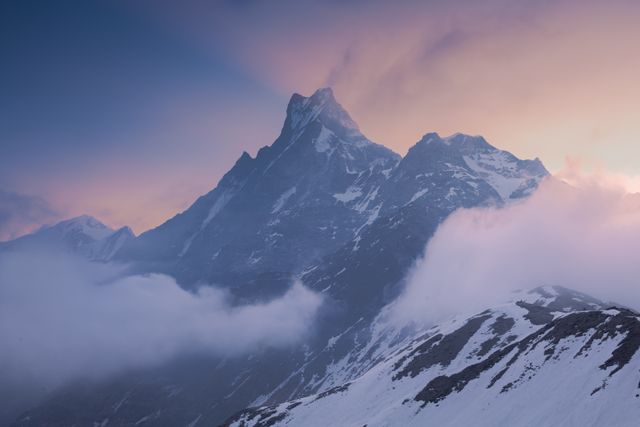
If you’ve spent any time browsing Nepal trekking photos, you already know the problem. Every route looks incredible. Snow peaks, prayer flags, terraced hillsides, teahouses tucked into the mountainside — it all blurs together after a while, and suddenly you’re trying to pick between three trips that seem equally amazing but are, in practice, quite different experiences. The Manaslu Circuit Trek, the Annapurna Base Camp Trek, and the Annapurna Circuit Trek are three of the most talked-about treks in Nepal, and travelers regularly get stuck choosing between them.
Here’s the thing — they all have different strengths and weaknesses, and none is truly the best. What really matters is how the route fits into your time away from work, your ability to adjust to altitude, the type of scenery that most fascinates you, and whether you prefer the solitude of quiet trails or the camaraderie of a more social teahouse circuit. This guide takes you through all three, so you can choose a route that really matches your trip, not just your Pinterest board.
Manaslu, Annapurna Base Camp or Annapurna Circuit at a Glance
Before getting into detail, here’s a quick side-by-side so you can see where each route stands.
| Factor | Manaslu Circuit | Annapurna Base Camp | Annapurna Circuit |
| Typical trekking style | Remote circuit | Sanctuary / base-camp trek | Long Himalayan circuit |
| Main attraction | Manaslu landscapes and Larkya La | Annapurna Sanctuary and mountain amphitheater | Diverse terrain and Thorong La |
| Difficulty | Moderate to challenging | Moderate | Moderate to challenging |
| Altitude concern | High | High | High |
| Crowds | Generally quieter | Popular | Popular |
| Cultural experience | Strong | Strong | Strong |
| Best for | Remote trekking | Mountain views in fewer days | Variety and a longer route |
| Route character | More isolated | More concentrated | Highly varied |
Keep this table in mind as you read — it’s a fair summary of what each trek actually delivers.
Manaslu Circuit Trek — Remote Trails and a Wilder Himalayan Feel
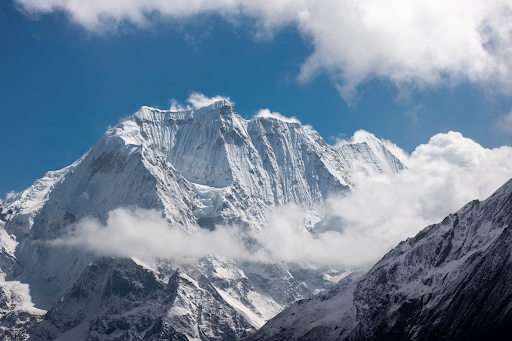
It’s difficult to describe why the Manaslu Circuit is “beautiful” enough to really explain what makes the trek so special. What separates this journey is the changing terrain beneath your feet. You start out low, walking across terraced fields and river valleys, then make a slow ascent into high alpine surroundings around Mount Manaslu, the world’s eighth-highest peak. The landscape changes almost every day, something that prevents the trek from becoming monotonous.
The ultimate challenge on this circuit is the Larkya La Pass at an altitude of over 5,000 meters. It’s a long, cold, and truly exhausting day, and it’s usually what trekkers speak about most once they’re home. Along the route, villages show a strong Tibetan Buddhist influence — mani walls, chortens, and monasteries are common, particularly in the upper Nubri and Tsum region.
Manaslu is simply a less crowded trek than Nepal’s more popular ones, there’s no denying that. This is not spin – but the direct consequence of a region that was far more out of reach, making for fewer footprints and quieter trails.
Who Should Choose the Manaslu Circuit?
The Manaslu Circuit is best suited to trekkers who care more about atmosphere than comfort — people who want quiet trails, genuine cultural immersion, and a landscape that still feels a bit untouched. That said, this isn’t a trek to book last minute. Route logistics, permits, and guide arrangements take more planning than some of Nepal’s more mainstream options, so build in extra preparation time.
Annapurna Base Camp Trek — A Shorter Route Into a High-Mountain Sanctuary
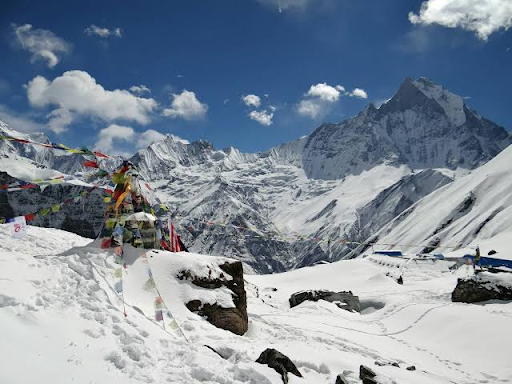
The Annapurna Base Camp Trek isn’t really about the wider Annapurna region — it’s about one specific destination: the Annapurna Sanctuary, a natural amphitheater of peaks that closes in around you as you approach base camp. That sense of being surrounded, rather than just walking past mountains, is what makes ABC distinct from almost anywhere else in Nepal.
The trail builds gradually. You move through rhododendron forests and farming villages before the terrain opens into higher, rockier ground, with Machhapuchhre (Fishtail) dominating the skyline for much of the walk. This is classic teahouse trekking — simple lodges, hot meals, and a fairly well-marked trail — which makes logistics more straightforward than on some remote routes.
Depending on your itinerary and how you use road transport at the start and end, most trekkers complete ABC in a shorter window than the Annapurna Circuit. That’s part of the appeal: big mountain payoff without needing three weeks off work.
Who Is the Annapurna Base Camp Trek Best For?
The Annapurna Base Camp Trek is a good choice for travelers with limited time who still want a serious mountain experience. It suits people who want the classic teahouse trekking scene, a route that’s easier to plan on shorter notice, and a solid mix of scenery and cultural contact along the way. One caution, though — don’t assume “shorter” means “easy.” There’s still real altitude to manage, a lot of stone stairs, and consecutive days of walking that call for proper preparation.
Annapurna Circuit Trek — The Route for Changing Landscapes
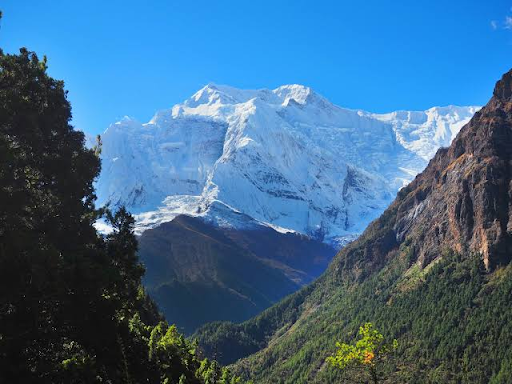
Where ABC is a destination trek, the Annapurna Circuit Trek is built around movement. You’re essentially walking a loop around the Annapurna massif, and the landscape transformation is the whole point. Lower sections pass through subtropical forest and farmland, the middle stretch climbs through alpine valleys, and the trail eventually pushes into stark, high-altitude terrain near the pass.
That pass is Thorong La, one of the most talked-about high crossings in Himalayan trekking, sitting well above 5,000 meters. It’s the trek’s defining day, and it demands proper acclimatization beforehand. Villages along the route shift in character too — from the Manang valley’s Tibetan-influenced communities to the drier, Mustang-adjacent settlements on the descent side.
One thing worth knowing before you plan this trek: road access has changed over the years. Vehicle roads now reach parts of the traditional trail, and this has genuinely reshaped how people build their itineraries — some trekkers use jeeps to shorten the lower sections, while others still walk the full classic route.
Who Should Choose the Annapurna Circuit?
The Annapurna Circuit is exceptional for its diversity; few, if any, routes in Nepal can boast that much landscape and cultural variation on one trip. It’s geared to travellers who want a longer trip, like the sensation of crossing a major Himalayan divide, and can accept the fact that the length of the itinerary can vary widely depending on how much they decide to use road transport.
Manaslu vs Annapurna Base Camp vs Annapurna Circuit: Difficulty and Altitude
People tend to judge trek difficulty by distance, but that’s a bit misleading. The main difficulty on these routes comes from a combination of factors — daily walking hours, cumulative elevation gain, high mountain passes, and how well your body handles thinner air, not just how many kilometers are on the map.
Manaslu and the Annapurna Circuit both involve crossing a pass above 5,000 meters, which means acclimatization days aren’t optional — they’re part of the plan. ABC doesn’t have a technical pass, but the terrain is deceptively tough, with long stone staircases and steep, repetitive ascents and descents that wear on the knees just as much as any high pass wears on the lungs.
Weather adds another layer. Trail conditions can change fast at altitude, and a clear morning doesn’t guarantee a clear afternoon. Add in disrupted sleep at higher elevations and the accumulated fatigue of consecutive trekking days, and you start to see why two treks with similar altitude sickness risk can feel completely different depending on pacing, itinerary length, and a trekker’s own fitness and prior experience with high-altitude trekking.
Scenery, Culture and Trail Experience: How the Three Routes Differ
Rather than repeating what’s already been said above, it’s worth putting the three side by side on pure experience.
Manaslu feels remote in a way that’s hard to fake — quiet trails, isolated valleys, and villages where Tibetan-influenced culture is still very much part of daily life rather than something staged for visitors.
Annapurna Base Camp is a concentrated experience. Everything builds toward one dramatic moment — standing inside the Sanctuary with peaks rising on nearly every side.
Annapurna Circuit offers the broadest range. You’re not walking toward one view; you’re moving through an entire cross-section of the Himalaya, with the landscape and the people you meet changing almost by the day.
If you’re choosing based on the kind of experience you want rather than price alone, this contrast usually settles it faster than any spec sheet.
Best Time to Trek in Nepal
Timing is nearly as important as the route itself. Spring (about March to May) is considered best for mountain walking as the weather conditions are generally fine and rhododendrons are in bloom at lower levels of elevation. Autumn (September to November) is traditionally regarded as one of the best opportunities for crisper mountain scenery and more stable weather — it’s also the busiest on established routes. Winter is colder, and high passes such as the Thorong La or the Larkya La may be more difficult to cross, and heavy snow may close them. Monsoon (June to September) brings rain, mist and slippery paths, and may also cause road transportation along some routes to grind to a halt.
The right season can shift slightly depending on the specific trek and its highest point — a route with a 5,000-meter-plus pass is more weather-sensitive than a lower-altitude trail, so it’s worth checking current conditions closer to your travel dates.
Cost, Permits and Trekking Logistics
Budgeting for these treks involves more than the pass or the trail fee. Costs typically break down into your trek package (or independent daily expenses if you’re going that route), guide and porter wages if you hire them, accommodation and meals along the way, ground transportation to and from the trailhead, and required permits for the specific region you’re entering.
Insurance is another piece people underestimate — proper travel insurance that includes high-altitude trekking and emergency evacuation coverage isn’t optional at these elevations, it’s essential. Add in personal spending for snacks, hot showers, charging, and the occasional treat at a teahouse, and your daily costs can vary more than you’d expect.
One important note: the Manaslu Circuit Trek has its own permit structure and regulations that differ from the Annapurna routes, partly because of how the region is managed and the guide requirements tied to it. Rules and fees for TIMS cards and regional permits do get updated, so it’s worth confirming the current requirements from an official source close to your travel dates rather than relying on older information.
Which Trek Should You Choose?
Choose Manaslu if you want a quieter, more remote Himalayan experience and you’re comfortable with a bit more planning ahead of the trip.
Choose Annapurna Base Camp if you’re working with limited time and want a focused trek that still delivers dramatic, close-up mountain scenery.
Choose Annapurna Circuit if you want landscape variety, cultural diversity, and the experience of crossing one of Nepal’s classic high passes over a longer journey.
How to Prepare for Any of These Nepal Treks
Whichever path you take, the fundamentals are the same. Train your cardio in advance — hiking with a pack on is definitely the best prep, but stairs and long walks will help. Pace yourself for consecutive days of activity; trekking fatigue develops differently than a one-off hard hike. Buy your trekking shoes in advance and break them in; pack layered clothing for temperature changes, and never skimp on sun protection at high altitude (the UV is stronger than most people think). Keep hydrated, take out appropriate travel insurance, and arm yourself with a rudimentary knowledge of altitude sickness signs before you go. Also, plan to build in a buffer day or two into your schedule for weather delays.
Whichever path you take, the fundamentals are the same. Train your cardio in advance — hiking with a pack on is definitely the best prep, but stairs and long walks will help. Pace yourself for consecutive days of activity; trekking fatigue develops differently than a one-off hard hike. Buy your trekking shoes in advance and break them in; pack layered clothing for temperature changes, and never skimp on sun protection at high altitude (the UV is stronger than most people think). Keep hydrated, take out appropriate travel insurance, and arm yourself with a rudimentary knowledge of altitude sickness signs before you go. Also, plan to build in a buffer day or two into your schedule for weather delays.
Choosing a Trekking Company in Nepal
Make sure the company is fully licensed and that you will be guided by local guides experienced on the specific route. Seek transparent, itemized inclusions and exclusions rather than an opaque all-in price, and verify who obtains your permits. Inquire about emergency procedures and evacuation assistance, ensure insurance requirements are clearly defined, and review the cancellation policy prior to committing. Authentic reviews from other trekkers, even if they are recent, tend to be more helpful than a slick sales pitch. An established Nepal-based agency, such as Adventure Great Himalaya is one of the tour operators for travellers to check out for these trails, along with other well established companies.
Final Verdict: There Is No Single Best Trek for Everyone
If you long for distant and fascinating culture with little chance of crowds, Manaslu is your trip. Annapurna Base Camp provides a condensed, mountain-based journey for those who need a brief respite. The Annapurna Circuit offers a variety of landscapes and a classic experience of crossing a high Himalayan pass in a long trek.
None of these are “better” in some objective sense. The right decision is going to depend on how much time you have, on how well you handle altitude, and, honestly, on what sort of trip you are really looking for — not on which name has the most visibility in Nepal trekking articles.
Frequently Asked Questions
Which is harder, Manaslu Circuit or Annapurna Circuit?
Both involve a high pass above 5,000 meters, so neither is universally “harder.” Manaslu tends to feel more remote and logistically demanding, while the Annapurna Circuit’s difficulty depends heavily on how much of the route you walk versus drive. Your own fitness and acclimatization matter as much as the route itself.
Is Annapurna Base Camp easier than the Annapurna Circuit?
ABC is generally shorter and doesn’t involve a technical high pass, which makes it more approachable for many trekkers. But it still has steep, repetitive terrain and real altitude exposure, so “easier” is relative, not absolute.
Which trek is best for first-time trekkers in Nepal?
First-time trekkers can realistically complete any of these three, provided their fitness, preparation, and guide support match the route. Annapurna Base Camp is often considered a manageable entry point given its shorter duration and well-developed teahouse infrastructure.
How many days do I need for these three treks?
Itinerary length varies by route, pace, and how much road transport you use, especially on the Annapurna Circuit. It’s best to confirm current day-by-day options with a trekking operator once you know your travel dates.
Which trek has the best mountain views?
It depends on what you’re after. ABC offers close-up, concentrated views inside the Sanctuary. The Annapurna Circuit delivers broader landscape variety across the whole journey. Manaslu offers a more remote mountain environment with fewer people sharing the view.
Do I need a guide for these Nepal treks?
Guide requirements can differ by region and do get updated from time to time, particularly for restricted areas like Manaslu. Check the latest official regulations before departure rather than assuming older rules still apply.