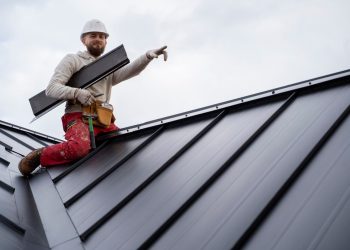



There’s no doubt that working on rooftops comes with risks that aren’t always obvious at first glance. From someone carrying out routine maintenance and repairing damaged roofing to inspecting equipment, even a relatively straightforward job can become dangerous without the right precautions.
Falls from height remain one of the biggest concerns, but they aren’t the only hazard workers face. Fragile surfaces, unpredictable weather, and poorly maintained access equipment can all contribute to serious accidents. Identifying these risks is a vital part of keeping every rooftop safe for whatever job needs doing.
- Unprotected Roof Edges
One of the most serious hazards is working close to an exposed roof edge. A momentary loss of balance, an unexpected trip, or a slippery surface could result in a fall, especially when workers are concentrating on the task rather than their surroundings.
Every rooftop worker needs to consider suitable edge protection before work begins. For instance, installing safety railings from universalsafetysystems.co.uk can help provide a physical barrier around exposed edges, reducing the risk of workers accidentally stepping into dangerous areas.
- Fragile Roofing Materials
Not every roof surface is designed to support a person’s weight. Older buildings may have fragile roof sheets, while rooflights can be particularly dangerous because they aren’t always immediately noticeable.Workers should never assume a surface is safe to walk on simply because it appears solid. A proper assessment should identify fragile areas, with suitable barriers, covers or other protective measures used to prevent falls through the roof.
- Slippery Surfaces and Poor Weather
British weather can make rooftop work especially unpredictable. Rain, frost and strong winds can quickly turn a manageable task into a dangerous one, even for experienced workers.Wet surfaces increase the likelihood of slipping, while strong gusts can affect balance and make handling equipment difficult. Weather conditions should be checked before work starts and monitored throughout the job. If conditions become unsafe, work should stop until it can be carried out safely.
- Unsafe Access Points
Getting onto and off a roof can be just as hazardous as working on it. Poorly positioned ladders, unsecured access equipment and obstructed entry points can all increase the likelihood of an accident.Access arrangements should be appropriate for the job and regularly inspected. Workers also need a clear route between the access point and their working area, without having to climb over obstacles or navigate unnecessary hazards.
- Loose Tools and Equipment
Tools, cables, and building materials left scattered across a rooftop can create multiple trip hazards. There’s also the danger of objects falling from height and injuring people below.It’s easy to sort, though. It starts by keeping areas organised. Tools should be secured where necessary, materials stored safely, and areas beneath rooftop operations protected from falling objects to reduce these risks.
Making Rooftop Safety a Priority
Rooftop accidents can have devastating consequences, particularly when hazards have been overlooked during planning. Every job should begin with a suitable risk assessment that considers the roof’s condition, access arrangements, weather and the equipment being used.
Where possible, working at height should be avoided altogether. When it cannot be avoided, appropriate collective protection, safe working procedures and proper training are essential. Taking these precautions seriously helps protect workers and everyone else who may be affected by the work.