

For most homeowners, a renovation used to begin with a pencil sketch, a rough guess at the cost, and a lot of hope. You picked tiles from a small sample, trusted that the new kitchen would suit the room, and only discovered problems once the old units were already in a skip. In 2026, that way of working is fading fast. Smart technology now touches every stage of a home renovation, from the first idea to the final coat of paint, and the homeowners who use it well finish faster, spend more accurately, and end up with results they actually wanted.
Planning Before the First Hammer Swings
The cheapest moment to change a renovation plan is before any work starts. Moving a wall on paper costs nothing; moving it after the plasterer has left costs a fortune. That is why the biggest change in recent years is not a new material or a new tool, but a new way of planning. Modern home design software lets you draw your rooms, try different layouts, and test colours and finishes on screen before you commit to any of them. A layout that looked perfect in your head can look cramped on a floor plan, and it is far better to learn that in an afternoon at a laptop than in week three of a build.
Good planning software also keeps the whole project in one place. Measurements, product choices, quotes, and progress photos live together, so nothing is lost in a drawer full of paper. When a question comes up on site, the answer is a few taps away instead of a phone call and a wait. For a homeowner managing their first big project, that single source of truth removes most of the stress that used to come with the job.
Seeing the Result Before You Spend a Penny
The hardest part of any renovation has always been imagination. A swatch of paint looks different on a wall than it does in the shop. A new front door that suits a catalogue photograph may clash with your brickwork. Visualisation tools close that gap by showing changes on a photo of your own home. You can compare two shades of siding, three styles of window, or a new porch design side by side, in daylight, on your actual house, before ordering a single item.
This matters most on the outside of the home, where mistakes are expensive and very public. Roofing, cladding, and landscaping set the character of the whole property, and changing them after installation is rarely an option. Previewing the finished look in advance turns a gamble into a decision, and it gives contractors a clear picture of what you expect, which means fewer misunderstandings and fewer costly revisions.
Smarter Budgets, Fewer Surprises
Renovations are famous for running over budget, and the usual reason is not bad luck but missing information. A quote that leaves out waste removal, permit fees, or the cost of matching old floorboards will always look cheaper than an honest one. Smart budgeting tools fight this by building estimates from real line items instead of round numbers. You list every element of the project, price each one from current quotes, and the software keeps a running total that updates as choices change.
That live total changes behaviour. When swapping a worktop instantly shows a four hundred pound difference, you make the choice with open eyes. When a contingency of ten to twenty percent is built into the plan from the start, a hidden pipe or a rotten joist becomes a line item instead of a crisis. Homeowners who track spending this way still face surprises, but the surprises stay small and affordable.
Energy Efficiency Built In From the Start
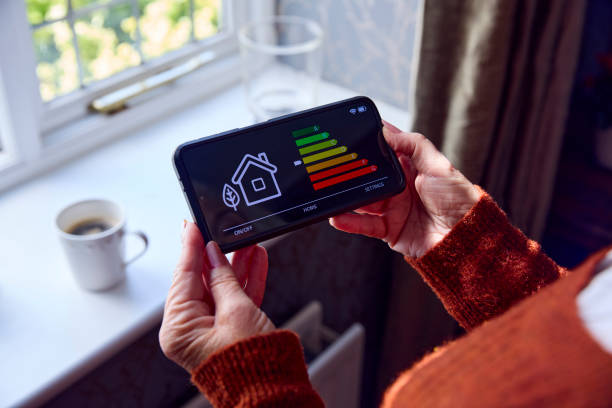
Energy costs have made efficiency a central part of renovation rather than an afterthought. Smart thermostats, heat pumps, and LED lighting are now standard talking points, but the real gains come from decisions made early: insulation levels, window quality, and airtightness. Modelling tools can estimate how each choice affects heating bills over ten or twenty years, turning a vague promise of savings into a number you can compare with the upfront cost.
The result is that efficiency upgrades are increasingly chosen on evidence rather than enthusiasm. A homeowner can see that better windows pay for themselves in six winters, while a premium gadget might never pay back at all. That clarity helps the budget go where it earns the most, and it leaves the home cheaper to run for decades after the builders have gone.
Better Communication With Your Contractor
Ask any builder what causes delays, and the answer is rarely the building work itself. It is waiting: waiting for a decision, waiting for a delivery, waiting for an answer to a question asked three days ago. Shared project apps fix this by putting the plan, the schedule, and the message thread in one place that both sides can see. A photo of a problem goes up in seconds, the homeowner approves a change from their phone, and work continues instead of stopping.
Visual tools help here too. When everyone is looking at the same picture of the finished result, there is far less room for the classic misunderstanding where the homeowner imagined one thing and the builder built another. Good exterior remodeling tools, for example, let both sides agree on exactly how the outside of the house should look before anyone climbs a ladder. That shared picture is worth more than a dozen site meetings.
The Bottom Line
Smart technology has not removed the hard work from renovation, but it has removed much of the guesswork. Plans can be tested before they are built, costs can be tracked before they spiral, and the finished result can be seen before it exists. Homeowners who embrace these tools still need good contractors and good judgement, but they start every decision with better information than any previous generation. In 2026, the smartest renovation is the one that is planned on a screen before it is built in the real world, and the gap between those two is getting smaller every year.