

Introduction to Vivariums for Bearded Dragons
Vivariums for bearded dragons play a vital role in their health, comfort, and overall wellbeing. Without the right setup, even a healthy dragon can struggle. That’s why choosing and maintaining the correct environment matters more than many owners realise.
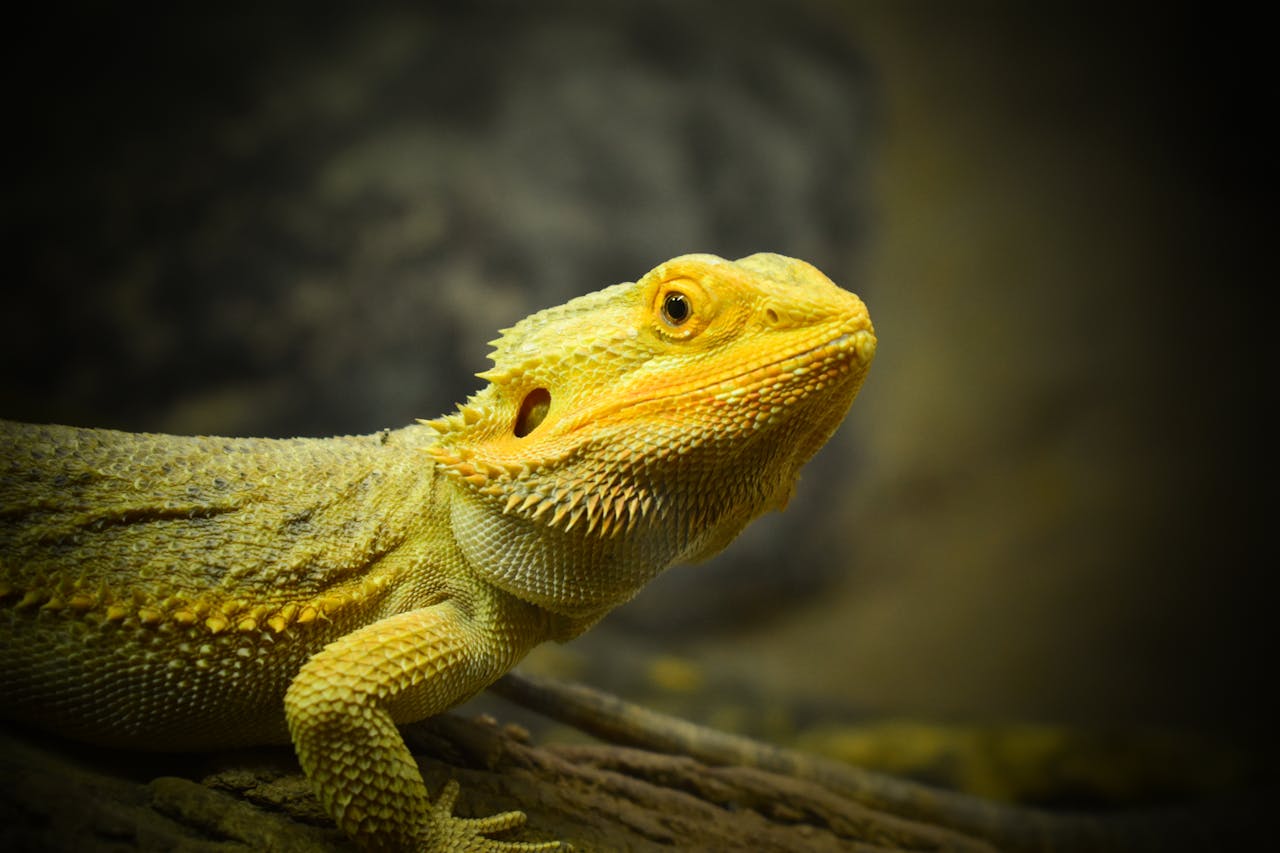
Bearded dragons are native to the arid and dry areas of Australia. Their enclosure should therefore emulate those natural conditions as closely as possible. A good vivarium allows for digestion, movement, and natural habits. But for the most part, it just reduces stress and keeps you from getting sick.
In this guide, you’ll discover exactly what a good vivarium consists of. Size, materials, heat and safety, everything is in here in plain, workable language. Whether you’re new to the game or just tinkering with your setup, this guide will help you make educated decisions.
What Is a Vivarium and Why It Matters
A vivarium is a type of enclosure, container or structure adapted to keep animals or plants in a way that simulates their natural environment. Instead of just providing heat, light and air flow like standard tanks, vivariums provide heat, light, air flow, and space.
This balance is very important for bearded dragons. They use external sources of heat to influence their body temperature. At the same time, they require UVB light to metabolise calcium. If you don’t have these things happening in concert, your animal’s health is going to deteriorate rapidly.
That’s why a good vivarium isn’t a luxury. It’s the basis for good care.
Choosing the Right Size Vivarium
Size matters more than decoration. A cramped enclosure restricts movement and causes stress over time.
For one adult bearded dragon, the minimum recommended size is:
- 120cm (length) x 60cm (depth) x 60cm (height)
However, bigger is always better. Extra space allows for proper heat gradients, climbing, and enrichment. Juveniles can start smaller, but upgrading is unavoidable as they grow.
If space allows, go larger from the start. It saves money and prevents unnecessary disruption later.
Best Materials for Vivariums
Vivariums come in different materials. Each has strengths and weaknesses.
Wooden vivariums can hold heat well and look very natural. They’re perfect for stabilising temperatures. However, they need to be sealed adequately to make them moisture-resistant.
Glass vivariums provide clear visibility and can be cleaned easily. Yet, they do lose heat. Because of this, supplemental heat is commonly needed.
PVC enclosures are lightweight, strong and great at retaining warmth. They are well-liked by seasoned keepers, despite being more expensive.
In general, pick a material that lends itself to heat management and safety rather than appearance.
Ventilation and Airflow
Fresh air is essential. Without proper ventilation, humidity builds up and bacteria thrive.
Most quality vivariums include vents at both high and low points. This design encourages steady airflow without causing drafts. If modifying a vivarium, avoid blocking vents with décor or equipment.
Good airflow keeps your dragon comfortable and helps maintain clean conditions.
Heating Requirements Explained
Bearded dragons need a clear temperature gradient. That means one warm basking side and one cooler side.
Recommended temperatures include:
- Basking spot: 38–42°C
- Warm side: 32–35°C
- Cool side: 24–27°C
- Night: 18–22°C
Heat lamps, ceramic heaters, or deep heat projectors all work well. Importantly, always use a thermostat. Uncontrolled heat sources can cause burns or overheating.
Check temperatures daily. Small changes make a big difference.
The Importance of UVB Lighting
There is no debate about the necessity of UVB lighting. Bearded dragons cannot properly absorb calcium without it.
Use a good quality UVB tube light, not a compact bulb. Ideally, it will be about two-thirds of the length of the vivarium. Replace UVB tubes once every 12 months, even if they still shine.
Position the UVB light correctly. It should be close enough to be effective but not so close that it causes harm.
Good UVB lighting supports strong bones, appetite, and natural behaviour.
Substrate Choices: What Works Best
The floor covering matters more than many think. Some substrates are safe, while others are risky.
Safe options include:
- Ceramic tiles
- Reptile carpet
- Non-adhesive shelf liner
These are easy to clean and reduce the risk of impaction.
Loose substrates like sand can be controversial. While some experienced keepers use them safely, beginners should avoid them. Improper use increases health risks.
When in doubt, choose simple and safe.
Furnishing the Vivarium Properly
Furniture isn’t just decorative. It provides exercise, enrichment, and security.
Every vivarium should include:
- A sturdy basking platform
- At least one hide
- Climbing branches or rocks
Place basking areas directly under heat and UVB sources. Meanwhile, hides should sit on the cooler side to give your dragon a retreat.
Secure all items firmly. Falling décor can cause injury.
Maintaining Cleanliness and Hygiene
Cleanliness is good for your health. Fortunately, it doesn’t have to be difficult.
Spot clean every day by removing droppings and uneaten food. Disinfect monthly with reptile-safe disinfectants. Steer clear of harsh chemicals; their residue may be toxic.
Clean the water bowl every day, even if it appears unused. Warm environments are good for the growth of bacteria.
A clean vivarium ensures that your dragon remains active and alert.
Monitoring Health Through Vivarium Behaviour
Your vivarium setup directly affects behaviour. Changes often signal problems.
If your dragon avoids basking, lighting may be incorrect. If appetite drops, temperatures could be off. On the other hand, active exploration and regular basking are good signs.
Observe daily. Small details tell you a lot.
Common Vivarium Mistakes to Avoid
Many issues come from simple errors.
Avoid these common mistakes:
- Using heat rocks (they cause burns)
- Skipping thermostats
- Choosing undersized enclosures
- Ignoring UVB replacement schedules
Fixing these early prevents long-term harm.
Learning from others’ mistakes saves stress and expense.
Upgrading Vivariums as Your Dragon Grows
Bearded dragons grow quickly during their first year. Because of this, vivariums often need upgrading.
Plan ahead. Choose equipment that works in larger enclosures. That way, upgrades are smoother and cheaper.
A gradual upgrade keeps stress low and comfort high.
FAQs
What size vivariums for bearded dragons are best for adults?
The minimum size for the vivarium for an adult bearded dragon is 120 cm by 60 cm. Bigger enclosures enhance mobility, enrichment and temperature regulation.
Can glass vivariums be used for bearded dragons?
Yes, but extra heating is usually required. Glass loses heat faster than wood or PVC.
How often should UVB lights be replaced?
UVB lights should be replaced every 12 months, even if they still appear bright.
Do bearded dragons need hides in their vivarium?
Yes. Hides reduce stress and give dragons a sense of security, especially during rest periods.
Final Thoughts on Vivariums for Bearded Dragons
Bearded dragon vivariums are a lot more than just cages. They’re living systems that promote health, growth, and behavior. When established properly, they enable your dragon to flourish, not just get by.
Focus on space, heat, lighting, and safety. Then refine based on observation. With the right approach, your vivarium becomes a stable, enriching home that supports your dragon for years to come.
Care done right always shows.