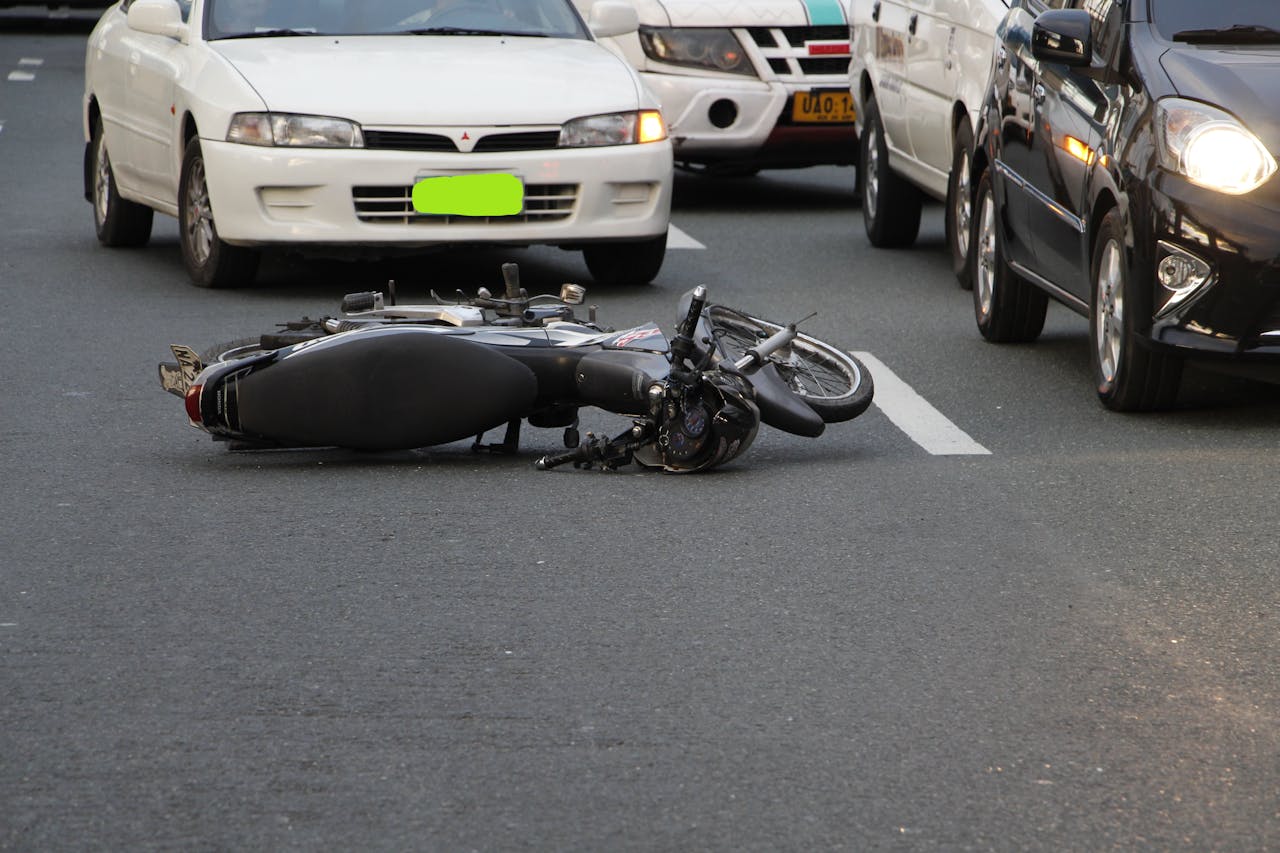
Driving offers an incredible sense of freedom, but it also carries inherent risks that require careful preparation. Flat tires, sudden severe weather, and unpredictable drivers can quickly turn a routine commute into a stressful situation. While you cannot control every variable on the highway, you can control how equipped you are to handle emergencies.
Taking a proactive approach to vehicle safety protects you, your passengers, and other drivers. A well-prepared vehicle and a calm mindset reduce the severity of unforeseen events and help you get back on track safely. The strategies below will give you the confidence to handle unexpected challenges behind the wheel.
1. Pack a Comprehensive Emergency Kit
Every car ought to have a full emergency kit in the trunk. Mechanical problems or harsh weather can strand you for hours, so supplies are a must. Your kit should have jumper cables, a heavy-duty flashlight (with extra batteries), reflective warning triangles and a brightly colored safety vest.
Pack also some items for comfort and for survival on your person. Have bottled water, nonperishable food such as energy bars and warm blankets on hand. If you drive in a cold climate, pack an ice scraper, a small shovel and a bag of sand or kitty litter to spread on the ground to help your tires get traction on icy roadways.
2. Prioritize Regular Vehicle Maintenance
Auto care record Keeping A good record of your preventative maintenance can keep your car in better condition and its value higher. Ignore the car long enough, and it will let you down when you least want it to. Check engine oil, transmission fluid and coolant levels for optimal internal component operation.
Mind the wheels. Worn or under-inflated tyres predispose your car to a much greater risk of jumping at high speed or hydroplaning on rainy roads. Make sure your tyres are inflated to the recommended pressures (you can find these on the sticker on the door frame of the driver’s side, or in your handbook). Replacing worn wiper blades and checking your headlights will also improve your ability to see and be seen in the rain.
3. Keep Important Documents Accessible
In the event of a crash or traffic stop, some paperwork is going to be helpful to have on hand. Digging through a messy glove compartment only compounds the stress of an already nerve-racking moment. Keep your car reg, insurance and licence in a small folder and try to keep them with you at all times.
You should also have a printed copy of emergency phone numbers and any important medical information. While many things are frozen in place after a crash, these are the documents that first responders look for first to treat you and to alert your family.
4. Learn Basic First Aid
Medical emergencies can take place tens of miles from the closest hospital or urgent care center. Basic first aid knows how to stop the bleeding enough that you can wait for them. Enroll in a certified CPR/first aid class to learn how to control bleeding, care for small burns and identify when someone is going into shock.
Combine that knowledge with a good medical kit in your car. Add adhesive bandages, sterile gauze pads, antiseptic wipes, medical tape and scissors. If you have specific medications you or a frequent passenger take, store a small emergency supply in your vehicle.
5. Prepare for Animal Encounters
Wildlife crossing the road causes thousands of accidents every year. If an animal suddenly darts into your lane, brake firmly but avoid swerving, as jerking the steering wheel can cause you to lose control and roll the vehicle.
Animals are not only a hazard while moving. If you pull over to assist an injured animal or deal with a collision near a residential area, you might encounter loose or frightened pets. Panicked animals behave unpredictably. Should you or a passenger suffer an injury from a defensive animal, consulting a Utah dog bite lawyer helps clarify the necessary steps for managing medical expenses and reporting the incident.
6. Download Offline Maps
It’s high-risk to depend on a cellular connection for directions, particularly if you road trip through the country or the mountains. Lost signals can make you directionally blind.
Most of the modern navigation apps support downloading maps for offline viewing. Save the maps for your planned route and for the areas around it before you leave home. Keep a classic road atlas under your seat for an old-school, non-battery-powered method of finding the nearest town or gas station.
7. Invest in Roadside Assistance
Specialised road service gives you real assurance. Several car insurance companies include this coverage as a low-cost extra, or you can buy a membership through groups such as AAA.
When a tyre blows on a crowded interstate or your battery expires in a deserted parking lot, these services send experts to help you. It is much better to have a good towing and repair service phone number ready at hand (in your cell phone nowadays) than trying to fix your car yourself in the shoulders of a busy highway.
8. Understand Your Surroundings
Awareness of the situation stops an accident before it happens. Keep an eye on the road ahead as well as your mirrors and try not to get distracted by mobile phones or complicated dashboard menus.
Tailor your driving style to the conditions. When it’s pouring rain, visibility is low in dense fog or snowing, you need to slow down and increase the distance between your car and the one in front of you. Predicting the errors of other drivers allows you those vital seconds to move around safely.
Staying Prepared on the Road
Unexpected driving events test your patience and problem-solving skills. By maintaining your vehicle, packing the right supplies, and understanding how to react to various hazards, you significantly reduce the risks associated with daily commuting and long-distance travel. Continuous preparation ensures you remain safe, calm, and capable whenever you get behind the wheel.