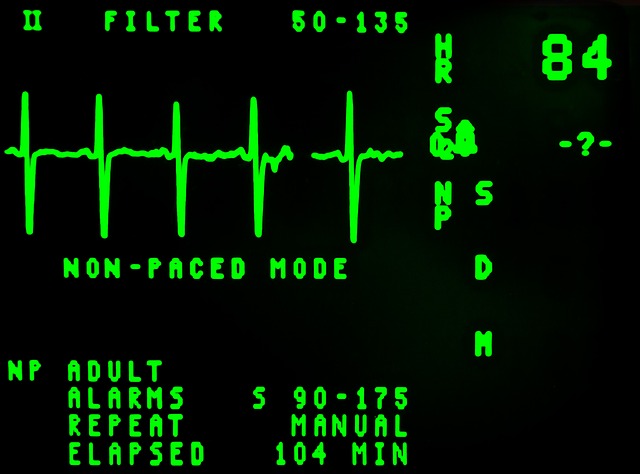
An electrocardiogram (ECG or EKG) is a medical test that records the electrical activity of the heart over a period of time. It is a valuable diagnostic tool used to assess the heart’s rhythm, rate, and overall electrical activity.
The test involves placing electrodes on specific points on the skin’s surface, typically on the chest, arms, and legs. These electrodes detect the tiny electrical impulses generated by the heart as it contracts and relaxes.
An electrocardiogram from a reputable cardiovascular center such as Cardiocare can provide important information about the heart’s health and function.
Did you know that there is no difference ECG EKG? ECG stands for electrocardiogram, and EKG is the German spelling for elektrokardiographie, which, you guessed it, means electrocardiogram.
In this article, we’re going to look at some reasons to need one.
Key Reasons to Need an Electrocardiogram
ECGs are a non-invasive and relatively simple test, and the results can provide valuable insights into a person’s cardiac health. They are typically interpreted by medical professionals, such as cardiologists, who can diagnose and recommend appropriate treatments based on the ECG findings.
Following are the key reasons why you might need an electrocardiogram:
1. Assessing Heart Rhythm and Rate
ECGs are vital for assessing the heart’s rhythm and rate. A normal heart rhythm is called sinus rhythm, where the heart beats at a regular pace. Abnormal rhythms, or arrhythmias, such as atrial fibrillation (irregular, fast heartbeat), bradycardia (slow heartbeat), or tachycardia (rapid heartbeat), can be detected through an ECG.
Detecting these arrhythmias helps doctors diagnose and treat conditions that may lead to strokes or other heart-related complications.
The regularity or irregularity of the intervals between waves on the ECG helps identify the heart’s rhythm. A normal heart rhythm is called sinus rhythm, where each wave occurs at regular intervals. Abnormal rhythms, such as atrial fibrillation (irregular, rapid heartbeat) or atrial flutter (fast, regular heartbeat), have distinctive ECG patterns that indicate their presence.
ECGs are highly reliable for assessing heart rhythm and rate. The results are immediate, non-invasive, and provide valuable information about the heart’s electrical activity.
2. Detecting Heart Abnormalities
Beyond rhythm, ECGs can reveal heart abnormalities. These may include signs of heart enlargement, hypertrophy (thickening) of heart chambers, or congenital heart defects. An ECG provides valuable insights into the heart’s structure and function, aiding in the diagnosis of conditions like cardiomyopathy or valve disorders.
ECGs are highly reliable for detecting many heart abnormalities due to their sensitivity in capturing electrical changes within the heart. However, keep in mind that:
- Some conditions, such as intermittent arrhythmias or transient ischemia, may not be present during the short recording time of a standard ECG.
- While ECGs provide patterns that suggest abnormalities, they may not always pinpoint the exact cause. Additional tests, like echocardiograms or cardiac catheterization, may be needed for a comprehensive diagnosis.
- Individual variations and factors like age, sex, and medications can influence ECG results, potentially leading to false positives or negatives.
3. Diagnosing Heart Attacks
In cases of chest pain or suspected heart attacks, ECGs are crucial. They help diagnose myocardial infarctions (heart attacks) by showing specific changes in the heart’s electrical patterns caused by reduced blood flow to the heart muscle. Rapid intervention based on ECG results can significantly improve outcomes.
4. Monitoring Heart Health
Patients with known heart conditions require regular ECGs to monitor their heart health. By comparing previous ECGs over time, doctors can assess the effectiveness of treatments, track disease progression, and adjust medications as necessary.
5. Evaluating Symptoms
Individuals experiencing symptoms like chest pain, palpitations, dizziness, shortness of breath, or fainting may undergo ECGs to determine the underlying cause. ECG findings often help doctors pinpoint the origin of symptoms and guide further diagnostic steps.
6. Preoperative Assessment
Prior to surgeries, especially major ones, patients may undergo an ECG as part of preoperative evaluation. This helps assess the heart’s condition and identify any potential risks or complications related to anesthesia and surgery, ensuring a safe surgical experience.
7. Screening for Risk Factors
Individuals with risk factors for heart disease, such as high blood pressure, diabetes, high cholesterol, or a family history of heart conditions, benefit from regular ECGs. These screenings aid in the early detection of potential heart issues, enabling preventive measures to be taken.
8. Fitness Assessment
Athletes and those undergoing rigorous exercise programs may have ECGs to evaluate their heart’s response to physical activity. Stress tests, which involve exercising on a treadmill while monitored by an ECG, help assess the heart’s capacity and identify any exercise-induced abnormalities.
9. Emergency Situations
In emergency situations like suspected heart attacks or cardiac arrest, ECGs play a critical role. Rapid ECG assessment helps medical professionals make timely decisions for life-saving interventions and treatments.
10. Research and Clinical Trials
ECGs are used extensively in medical research and clinical trials to study various cardiac conditions, evaluate the impact of new treatments, and assess the safety and efficacy of medical interventions.
11. Cardiac Rehabilitation
ECGs are part of cardiac rehabilitation programs for individuals recovering from heart-related events or surgeries. Monitoring the heart during exercise and therapy sessions ensures that the rehabilitation program is both safe and effective.
Wrapping Up
Good heart health is very important. An electrocardiogram can be an excellent tool for the diagnosis of heart conditions and the overall assessment of heart health. If you choose a good healthcare provider for cardio care Bethesda, you can also go for an ECG for treatment monitoring as well as screening for potential health issues.