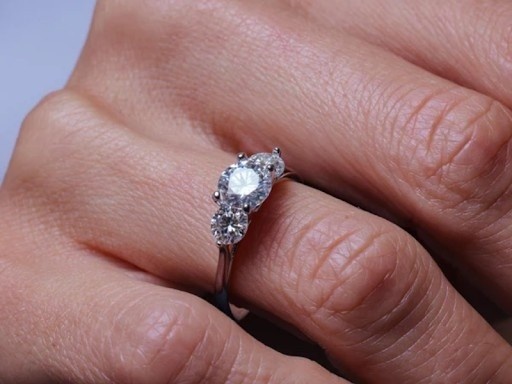
Have you ever found yourself staring at a beautiful silver necklace, wondering if it’s the real deal? You’re not alone. The shine of silver is timeless, but buying silver can feel tricky with all the different terms and prices. This silver jewelry buying guide is here to clear up the confusion and help you shop with confidence.
Choosing nice pieces without feeling guilty should be what you aim for. It is simply a matter of creating a collection that you love without regretting your purchase later. This silver jewelry buying guide, which is quite simple, can be your friend in finding great pieces of this trendy precious metal.
Silver is a gorgeous and less expensive option than other precious metals, such as gold or platinum. The one metal can be made into any fashion style, whether classic or contemporary, due to its versatility. Knowing the fundamentals is the very first step to a wise purchase of jewelry.
Understanding the Different Types of Silver
Not all silver is made the same. The kind of silver determines its lasting power, lustre, and how much it will cost. Being aware of the distinctions will allow you to select the perfect item that suits your requirements and way of life.
Fine silver (.999)
Fine silver or pure silver is the fairest form of the three. The figure of fine silver is 99.9% which means that it contains 99.9 parts out of 100 of silver metal. It has a beautiful, bright reflective lustre that is more brilliant than other silver metals. This fine silver quality has made it highly attractive to be used for a certain category of works, including craftsmanship with fine details.
Being that it is the softest metal, a pure unsuspected one is bound to get scratches and dents in few instances; therefore, it is not advisable to use it in the production of silver rings or bracelets that are worn on a daily basis. It will be used in the making of silver earrings or pendants that are not subjected to wear and tear, and are thus safe.
Sterling Silver (.925)
Among the types of silver jewelry, this is the most widely known and used one, and for a good reason as well. Sterling silver is an alloy that consists of 92.5% pure silver and 7.5% by weight are other metals, mostly copper. These additional alloyed metals give the material a milder strength, and consequently, it becomes more durable in comparison to the pure silver form.
The certified mark for a standard sterling silver product is the numerical figure ‘925’, which stands for the amount of silver in the composition. It is this strength that allows for the creation of complex patterns, and at the same time, the resultant pieces can be used as daily wear, e.g., silver pieces made from sterling. The only disadvantage is that copper may cause silver tarnish over a long period of time; however, it is quite simple to clean it.
Argentium Silver
Argentium silver came about from the modification of traditional sterling silver. The content of silver in the alloy is at least 92.5%, but the copper has been partially replaced by a metalloid known as germanium. What is most visible is that the truth is different as a result of this addition.
The germanium layer is the origin of the protection offered by Argentium against tarnish; thus, it helps to prevent staining from forming. A research conducted clearly states that the alloy is capable of producing a brighter shine than that of the normal sterling jewelry. It is a little bit pricier than the traditional sterling but the low-maintenance nature of it makes a lot of people willing to pay that price.
Other Silver Terms to Know
While purchasing a silver piece of jewelry, a person may be confused by various terms like this. Silver-plated jewelry is a piece that is made from a metal of base metal, for example, copper or brass, which is covered with a thin layer of silver. Once the silver plate reaches the end of its life, it comes off, exposing the metal under, thus it is not a piece that can be worn for a long time.
Silver-filled jewellery is an incremental improvement over the silver-plated pieces. Sterling silver that is layered in a much thicker manner is the one that is fused to the metal core of the base. Although more resistant than the silver-plated pieces, the silver can still get stripped away in the heavy use that leads to the passage of time.
Another term you may hear is coin silver, which historically had different silver contents and was mostly derived from melting silver coins. At present, it is a less common standard; however, it is still proper to be informed about it. Every time you see a piece labelled in that manner, make sure you inquire about the exact silver content.
| Type of Silver | Silver Content | Common Uses | Pros | Cons |
|---|---|---|---|---|
| Fine Silver | 99.9% | Pendants, Earrings | Brightest Shine, Hypoallergenic | Very Soft, Scratches Easily |
| Sterling Silver | 92.5% | All Jewelry Types | Durable, Affordable | Tarnishes Over Time |
| Argentium Silver | 93.5%+ | All Jewelry Types | Tarnish-Resistant, Bright | More Expensive |
| Silver Plated | Thin Top Layer | Fashion Jewelry | Very Inexpensive | Wears Off Quickly, Can Cause Allergies |
| Silver Filled | 5-10% Silver Layer | Costume Jewelry | More Durable Than Plated | Not Solid Silver, Can Still Wear Off |
Decoding Silver Stamps and Hallmarks
The easiest way to recognize good silver is by finding little stamps on the silver, these are called hallmarks or quality marks. Such marks indicate the place and the standard of the item. Generally, they can be spotted on the back of a necklace, the post of an earring, or the inner band of a ring.
The Meaning of ‘925’
It is a hallmark of most properties made from sterling silver when a mark says ‘925’ is found. The hallmark confirms that the metal contains 92.5% pure silver only. In addition to this, you can find jewelry that bears the marking of ‘.925’, ‘STERLING’, ‘STER’, or ‘SS’.
The sign is an international standard of quality. It is a sign to the buyers that the ones who sell the goods have a good reputation, so there is no reason to doubt the authenticity of the sterling silver jewelry. However, one must understand that there is a possibility of forging the stamp, so taking shops which are trustworthy is the best option.
Other Important Marks
First of all, the purity mark is the main feature. There is also a maker’s mark which identifies the artist or factory that made the jewelry. Such marks help to the past and, therefore, can increase the value of the piece and be more attractive to collectors.
On the one hand, in the past, the silver items boasted medallions of the assay office. The letters on such marks revealed the city where the metal would be tested and verified. Such marks are more visible on vintage silver. Thus, knowing the hallmarks is like reading a book about the history of your jewelries.
A Practical Silver Jewelry Buying Guide
Understanding your silver types and hallmarks is definitely a good beginning. Next, let us delve into some useful tips that you can apply while shopping. These tips will enable you to assess items and come up with wise choices.
How to Spot Fakes and Plated Pieces
A few simple tests aren’t beyond the reach of a non-expert. The magnet test is the most frequent one to be used among others. In this way, if the magnet strongly attracts your jewelry, then it is definitely of another metal or just a silver-plated one, since silver in its pure form is not magnetic.
The second test could be done by observing the surface of the object. If there is any flaking or the colour of the metal is different, then it must be a silver-plated one, which is the most common way. The real sterling silver should always be of the same colour and have the same finish all over.
Likewise, simple physical checks might prove very useful. For instance, one of the characteristics of real silver is that it should release no odor, therefore if a strong metallic or sulfur one is detected this may be a sign that the item contains too much copper. Besides that, if a piece is rubbed with a soft white cloth, it should not result in a heavy blackish mark unless the piece is extremely tarnished.
What to Ask the Seller
Don’t be afraid to ask questions. A reputable seller will be happy to give you information about their pieces. Start by asking about the type of silver used in the jewelry.
Here are a few good questions to ask:
- Is this piece solid sterling silver or plated?
- Does it have any hallmarks or a maker’s mark?
- Do you offer jewelry repair services for your pieces?
- What is your return policy if the item is not as described?
Their willingness to answer honestly can tell you a lot about their business practices. If they seem hesitant or give vague answers, it might be a red flag. When shopping online, also check for a clear return policy and a privacy policy.
Considering Price vs. Quality
If a price seems too good to be true, it probably is. The cost of silver jewelry depends on current silver prices, the item’s weight, and the level of craftsmanship. Intricate, handmade pieces will naturally cost more than mass-produced ones, like a simple silver chain.
Check out the prices of different sellers but don’t let the price be your only indicator. Concentrate on purchasing good-quality pieces that have visible hallmarks from a seller whom you trust. It is far better to pay a little bit more for a checked, quality item than to make a bad investment.
Popular Silver Jewelry Styles
One of the most attractive points of silver is its adaptability to various types of jewelry. It can be a trendy and shiny or an intricate and antique. Knowing these styles can assist you in finding pieces that really suit your own taste.
To achieve a minimalist style, a plain silver chain or a pair of small silver earrings can make the look more refined without being too strong. Art Deco jewelry, with its geometric figures and sharp lines, usually has silver as the main metal. Boho styles, for example,, may use silver combined with natural stones such as turquoise to create a vibe of a free-spirited.
While buying, you should also think of how a new piece will work with your old collection. Do you want a silver statement ring to be the main focus, or a stacking bracelet to be the addition of other pieces? Silver jewelry is pretty much readily available and is suitable for any style or occasion.
Silver vs. Other White Jewelry Metals
One aspect by which people often judge sterling silver is its comparison with other white-colored metals for jewelry. However, it can be stated that the metals differ substantially in terms of cost, toughness, and maintenance, though they may appear identical from a superficial view. The main points of differences between the three metals are summarized in the table below: sterling silver, white gold, and platinum.
| Feature | Sterling Silver | White Gold | Platinum |
|---|---|---|---|
| Composition | 92.5% silver, 7.5% Alloy | Gold Alloyed with White Metals | 95% Pure Platinum |
| Durability | Softer, Can Scratch | Durable, Strong | Extremely Durable |
| Color | Bright White | Slightly Yellowish (Often Plated) | Naturally Silvery-White |
| Maintenance | Requires Polishing to Remove Tarnish | May Need Re-Plating (Rhodium) | Low Maintenance, Won’t Tarnish |
| Price | Most Affordable | Mid-Range | Most Expensive |
White gold is widely used for engagement rings and luxurious jewelry. It is gold jewelry combined with metals such as nickel or palladium and typically has a rhodium or gold coating for a more white appearance. Platinum is a top-tier option for a jewelry lover to make because of its extreme durability and rarity, among the most durable and rarest of the precious metals.
Should You Consider Sterling Silver Engagement Rings?
Sterling silver engagement rings, while not as popular as karat gold or platinum, can be a fantastic choice. A silver engagement is an ideal way for couples to share a meaningful moment if they are on a budget. The brilliant white of silver is ideal for diamonds and any other gemstones.
The biggest disadvantage is that it is not very durable. As silver is a softer metal, sterling silver engagement rings can acquire scratches and become slightly bent if they are worn constantly and directly from the daily use. If someone is using their hands for work, it would probably be the least practical option.
However, silver wedding bands look fantastic and are very budget-friendly for people who are money-wise with their accessories. You can find a large number of stunning models that look like expensive metals but cost very little. If you desire the ring to maintain its attractiveness, it is quite necessary that it be properly taken care of.
Caring for Your Silver Treasures
We all know the feeling after bringing home the new beautiful jewelry pieces, you would certainly want to keep them in their best condition. By using the correct care, you can prevent the pieces from breaking and keep the silver from tarnishing. Maintaining your collection will not require much of your time.
Cleaning and Polishing Your Jewelry
Tarnish is the darkening of silver caused by its interaction with sulfur in the air, which happens naturally. Most of the time, tarnish can be removed by a soft polishing cloth that is made for silver, which is what you should use in this case. When you clean silver jewelry, make sure that it is done gently, and in one direction, using the cloth, so that the jewelry gets back its shine.
In case of heavily tarnished sterling silver, you might require a liquid silver cleaner. However, such cleaners must be handled with extreme caution, as they have the potential to harm gemstones like pearls or turquoise. Always follow the directions when cleaning silver and if you must soak your jewelry, do it for a very short time only.
An easy way to make your own cleaning solution is by using warm water and a mild, ammonia-free dish soap. You can do it safely and effectively by following the methods that are provided. Never use toothpaste or other abrasive cleaners, as they can cause irreparable scratches in the metal.
Proper Storage to Prevent Tarnish
How you store silver is just as important as how you clean it. The best way to slow down tarnishing is to limit its exposure to air and humidity. To properly store silver jewelry, place each piece in a separate small plastic bag or a felt-lined jewelry box. And if you’re building a larger collection through wholesale jewelry, these storage practices will help keep every piece safe, shiny, and ready to wear.
You can also add anti-tarnish strips to your storage container. These small paper strips absorb the airborne pollutants that cause silver to tarnish. This simple step can dramatically reduce how often you need to polish your jewelry.
Tips for Wearing Silver Jewelry
Finally, your jewelry should be the last thing that you put on and the first thing that you take off, just keep it in mind. One thing that can definitely accelerate the process of tarnishing is the use of things such as hairspray, perfumes, and lotions. If you do silver but keep it away from chemicals, you will be able to save its lovely shine for a long time.
Moreover, it is always better to take off your silver accessories before going for a swim, mainly if you swim in a pool with chlorinated water or plan to take a bath in a hot tub. The use of harsh chemicals can lead to discoloration and cause the surface to get damaged. By taking these small steps, you will be able to keep your sterling silver jewelry for a lifetime.
Conclusion
Walking into a jewelry store or browsing online doesn’t have to be overwhelming anymore. You are now armed with the knowledge to distinguish different types of silver and verify authenticity. You can confidently choose pieces that match your style and budget.
Remember to look for the hallmarks, ask the right questions, and care for your new treasures properly. This silver jewelry buying guide was created to empower you in every jewelry purchase you make. So go ahead and find that perfect piece of silver jewelry you’ll love for a lifetime.