


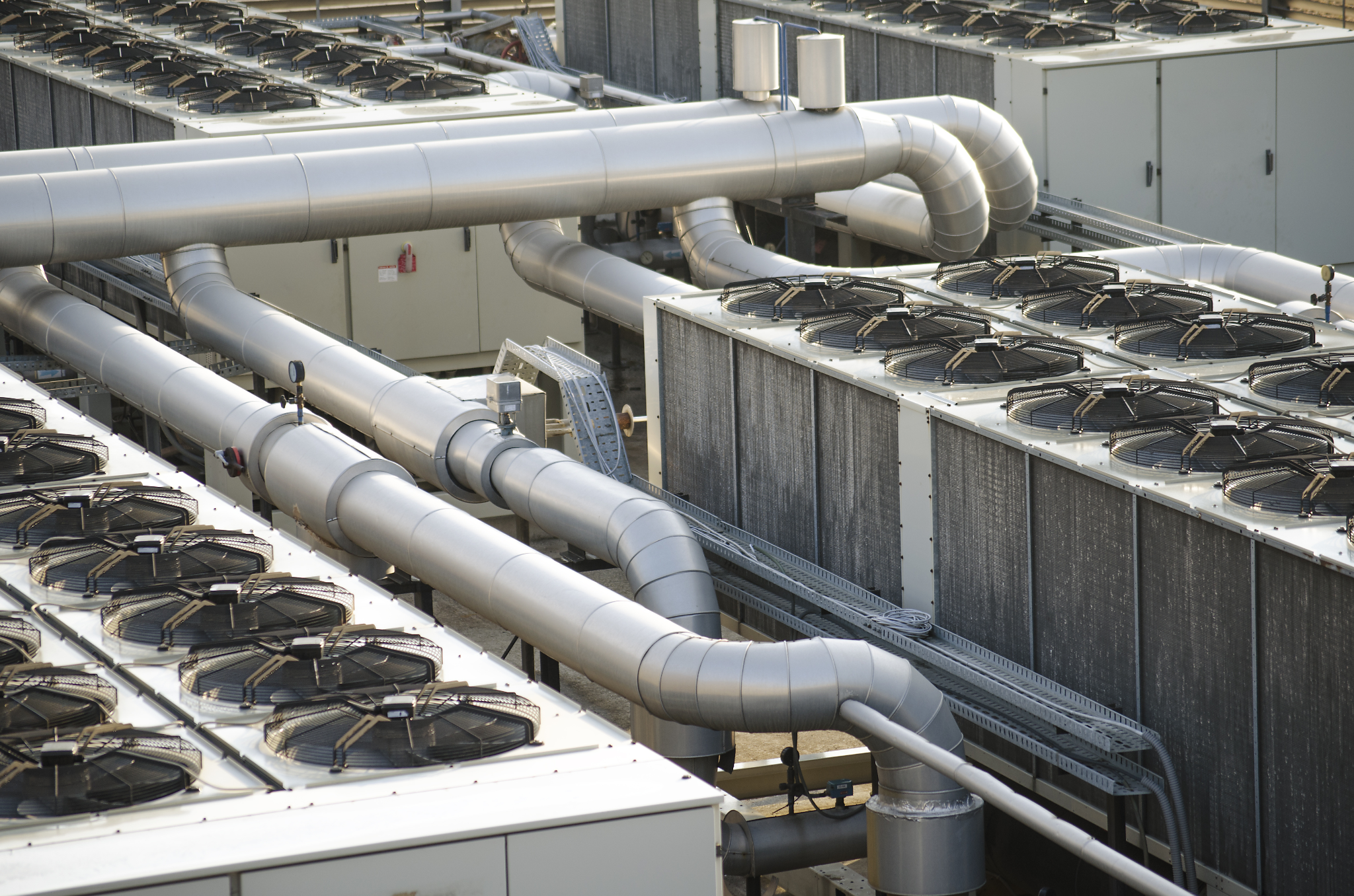
Electrical systems quietly shape the performance and reliability of nearly every modern building, yet their influence is most evident in how heating, ventilation, and air conditioning systems operate. If you’ve ever dealt with rising energy bills, unexplained equipment shutdowns, or a system that simply doesn’t deliver the comfort it should, electrical design may be at the heart of the problem. HVAC systems rely heavily on stable, well-planned electrical infrastructure. When that foundation is weak, even the most advanced climate-control equipment struggles to perform efficiently or safely.
As buildings become more energy-conscious and technologically integrated, understanding the electrical side of HVAC isn’t just helpful — it’s essential. Whether you’re a homeowner, a facility manager, or simply someone interested in making informed decisions, gaining clarity on how electrical design shapes HVAC efficiency and safety can help you choose better, operate smarter, and reduce long-term costs.
Why Proper Electrical Systems Are Essential for HVAC Efficiency
A dependable HVAC system starts long before air moves through ducts or equipment kicks on. At its core, HVAC depends on a low-voltage electrical network that distributes power, protects circuits, and manages system loads. If this network is poorly designed or undersized, everything connected to it becomes vulnerable to interruptions, inefficiencies, or safety hazards.
Electrical distribution panels, breakers, and wiring determine how effectively power flows from the main supply to motors, compressors, controls, and sensors. When the infrastructure is balanced and correctly rated, your HVAC system receives consistent voltage and current, enabling it to operate smoothly. But when it’s not, the result may be voltage drops, frequent breaker trips, overheated components, or premature equipment failure. In other words, electrical design sets the stage for whether your HVAC system thrives or struggles.
The Connection Between Electrical Controls and HVAC Performance
Motor Control and Variable Load Adaptation
Inside every HVAC system are motors that power fans, pumps, and compressors — and these motors rarely need to run at full speed all the time. Modern electrical design often incorporates variable frequency drives (VFDs), which adjust motor speeds based on real-time demand. When airflow or cooling needs are low, motors automatically slow down, conserving energy and reducing mechanical wear. This dynamic adjustment can significantly lower electrical consumption, especially in larger buildings where HVAC loads fluctuate throughout the day.
VFDs also help stabilize the electrical system by smoothing startup currents, reducing stress on components, and improving overall equipment longevity. Without such controls, motors may start abruptly and run at higher speeds than necessary, wasting power and increasing the likelihood of overheating or failure.
Protection and Switching Components
Every HVAC system relies on contactors, overload relays, and circuit breakers to safely switch power on and off and protect equipment from abnormal conditions. When sized correctly, these components prevent electrical faults from escalating into larger issues. They also enable safer maintenance by isolating specific circuits without disrupting the entire system. Overlooking these elements can expose the HVAC installation to risks like short circuits, electrical fires, or damage caused by repeated overheating — issues that often manifest long before system failure becomes obvious.
Design Considerations That Improve HVAC Efficiency and Safety
Proper Electrical Capacity and Load Matching
One of the most common causes of HVAC inefficiency is mismatched electrical capacity. HVAC systems, especially those serving commercial or multi-story structures, draw considerable power, and their electrical infrastructure must account for both peak loads and ongoing operational demands. Undersized wiring, breakers, or transformers can lead to voltage instability, causing motors to work harder and consume more energy than necessary.
When electrical capacity aligns with HVAC demand:
- Motors run smoothly and efficiently
- Breakers trip less often
- Equipment temperatures remain stable
- System lifespan increases
A system designed with room for future load increases also prevents costly upgrades later, particularly in buildings expecting expansions or additional climate-controlled zones.
Scalability and Flexibility in Electrical Architecture
Buildings evolve over time — offices expand, equipment gets added, and energy strategies shift. An adaptable electrical system supports these changes without requiring major rewiring or redesign. Modular distribution systems, flexible circuit arrangements, and scalable protection devices ensure that HVAC loads can be upgraded or redistributed safely.
Such flexibility becomes especially important in mixed-use buildings where HVAC zones may expand or shift, or in commercial settings where occupancy levels fluctuate. Designing with scalability in mind ensures that the electrical backbone never restricts building growth or operational efficiency.
Energy Efficiency Gains from Thoughtful Electrical Design
How Electrical Stability Reduces Energy Waste
Electrical irregularities — even small ones — can force HVAC equipment to compensate unnecessarily. Voltage fluctuations make motors operate less efficiently, generating heat instead of productive mechanical work. When circuits are properly protected, balanced, and grounded, HVAC components are free to operate within their optimal performance range.
Consistent electrical conditions translate to measurable energy savings. Studies from global energy agencies have shown that reducing electrical losses and improving motor control can reduce building energy consumption by 5–15%, depending on the size of the facility. While the specific savings vary, the underlying principle remains constant: stable power equals efficient HVAC performance.
Integration With Building Energy-Management Systems
Modern buildings often incorporate energy-management systems (EMS) or smart controls that monitor consumption, optimize equipment cycles, and predict maintenance needs. Electrical design that supports these systems allows HVAC units to coordinate with lighting, security, renewable energy inputs, and occupancy sensors.
The benefits of such integration include:
- Better real-time load balancing
- Automated adjustments during off-peak periods
- Data-driven maintenance planning
- Enhanced comfort without raising energy use
Electrical design that anticipates EMS integration empowers buildings to operate more intelligently and sustainably.
Safety Considerations in HVAC Electrical Design
Compliance With Electrical Standards
A safe HVAC installation depends on adherence to electrical codes and standards, which govern everything from breaker sizing to grounding requirements. These standards exist to protect both people and property, reducing the risks of shock, fire, and catastrophic equipment failure. Using components that meet recognized safety certifications ensures consistency and reliability — especially in fault conditions such as overloads, short circuits, or system surges.
Fault Prevention Through Proper Protection Systems
A combination of circuit breakers, fuses, relays, and grounding systems works together to prevent faults from turning into hazards. Many electrical designers rely on established manufacturers for components that support consistent protection and system coordination. Well-designed electrical systems also segment circuits logically so that a failure in one area doesn’t shut down an entire building or damage unrelated equipment. In HVAC systems, where motors frequently start and stop, these protections are crucial for preventing overheating or uncontrolled electrical arcs, and providers like CHINT offer a range of devices commonly used to achieve this level of safety.
Common Pitfalls in HVAC-Electrical Integration
Many HVAC issues stem from avoidable electrical oversights. One frequent problem is failing to size electrical components according to actual load requirements. Another is neglecting to include motor-control technologies like VFDs, leading to unnecessary energy consumption and mechanical strain. Poor wiring layouts, inadequate grounding, and a lack of protection coordination can also compromise system performance.
Additionally, HVAC systems that aren’t integrated into broader building electrical strategies often operate independently when they could be working harmoniously with lighting, occupancy sensors, or energy-management systems. This missed opportunity results in higher energy costs and reduced system longevity.
Conclusion
As buildings become more advanced and energy-efficient, the importance of electrical design in HVAC systems continues to grow. The electrical backbone of your HVAC system influences everything from energy consumption to operational reliability and long-term safety. When electrical capacity is properly matched, controls are thoughtfully designed, and protective measures are in place, HVAC equipment can operate at peak efficiency and deliver reliable comfort.
Understanding these connections empowers you to make smarter decisions about upgrades, maintenance, and system design. Good electrical planning isn’t just a technical requirement — it’s one of the most effective ways to ensure your HVAC system runs efficiently, safely, and sustainably for years to come.