

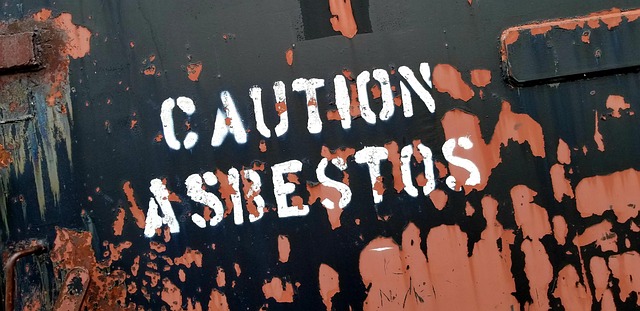
You find out your home contains asbestos. Your first instinct is probably to ignore it. It’s not bothering anyone right now. It’s been sitting in your walls for decades without causing problems. Why spend thousands of pounds to fix something that’s not visibly broken?
This is exactly how most homeowners think about asbestos. And it’s exactly how small problems become catastrophic ones.
The cost of ignoring asbestos isn’t primarily financial—though it can be. The real cost is measured in years of illness, declining health, and consequences that unfold long after you’ve forgotten about that material sitting behind your kitchen cabinets.
But there’s another layer to this. The financial costs are genuine and substantial. They just operate on a different timeline than most homeowners expect.
The Health Cost: The Damage That Takes Decades
Asbestos doesn’t announce itself. You can’t feel it when you inhale asbestos fibres. There’s no immediate reaction. No cough. No visible injury. This makes it deceptively dangerous because the damage is invisible until it’s too late.
When you inhale asbestos fibres, they embed themselves in the lining of your lungs. Your body can’t dissolve them or cough them out. They stay there. Year after year, they trigger inflammation and scarring. The damage accumulates slowly, then suddenly becomes impossible to ignore.
The diseases caused by asbestos are relatively few but very serious. Mesothelioma is the most well-known — a cancer of the lining of the lung that’s almost always fatal. Median survival after diagnosis is 12-21 months. Most patients don’t make it past five years, even with endless treatment. Data from the Health and Safety Executive (HSE) in 2023 reveal that around 2,600 people die each year from asbestos-related illnesses in the UK. That’s seven people every single day.
But mesothelioma isn’t the only worry. Asbestosis—lung tissue scarring—happens when a person breathes in enough asbestos fibres over time. It brings on progressive breathlessness, a constant cough, and a tight chest. Lung cancer rates are also dramatically elevated in those exposed to asbestos, especially in smokers.
Here’s what makes this really scary: the diseases take 10 to 50 years to develop. You may be okay at 45. You may be diagnosed with mesothelioma at 65. The contact occurred years ago, when you were naively doing some bathroom remodelling or sorting through an attic.
Have you thought that the asbestos you’re being exposed to in your own home at this moment might not make you sick until another 20 years down the line? Most people haven’t. Most people think of asbestos as a thing that happened to factory workers in the 1950s.
The Financial Cost: More Than Just Removal
Here’s where the maths gets interesting. Most homeowners focus on the immediate cost of removal. A licensed asbestos contractor costs £1,500-£2,500 for a single-room project. A whole-house removal runs £5,000-£15,000. These figures feel substantial. They’re also the smallest expense you’ll face if you ignore asbestos and problems emerge later.
Treatment and medical costs
Diseases caused by asbestos exposure need continuous medical attention. At diagnosis, a patient with mesothelioma is usually facing multiple courses of chemotherapy, possibly radiotherapy, and surgery. One round of chemotherapy can cost between £8,000 and £12,000. Multiple rounds are usually now needed for procedures. Another £3,000-£5,000 has been added to radiotherapy. Mesothelioma surgery can run more than £30,000.
These are the prices you’re paying before even starting to think about pain management, supportive care, and palliative treatment. A patient may receive treatment for three years before dying. The cost to the NHS for one single mesothelioma case is £30,000-£50,000.
If you have private insurance, the costs are even more staggering. Private treatment for mesothelioma costs $60,000 to $150,000, depending on the hospital and specific treatments used. Cancer treatment is most likely capped under your insurance plan. Diseases caused by asbestos exposure often go beyond those limits.
Lost income and disability
Someone diagnosed with mesothelioma rarely works again. Progressive lung disease means time away from work. Chemotherapy is exhausting. Radiotherapy appointments happen multiple times weekly. Asbestosis causes progressive breathlessness that makes employment increasingly difficult.
A 55-year-old diagnosed with mesothelioma might have 15 years until state pension age. That’s 15 years of lost income. Even if someone is employed when diagnosed, disability payments rarely replace full salary. The financial impact extends through retirement years.
Home value impact
A property with documented asbestos is worth less than an identical property without it. How much less? The figures vary, but studies suggest 10-20% reduction in property value. On a £350,000 home in a Norfolk market, that’s £35,000-£70,000 of lost equity.
This matters when you sell. Buyers commission surveys. Surveyors identify asbestos. Buyers factor removal costs into their offers. You might have ignored the asbestos, but the next owner won’t. You’ll absorb the cost at sale time.
Insurance complications
Here’s something most homeowners don’t consider: insurance companies take asbestos seriously. If someone in your home develops asbestos-related illness, and it emerges that you ignored known asbestos, insurance claims become complicated. Some policies specifically exclude liability for asbestos-related illness if you failed to address known contamination.
The Hidden Costs of DIY Solutions
Some homeowners attempt shortcuts. They encapsulate asbestos with paint or sealant. They leave materials undisturbed but don’t document this. They hire unlicensed contractors at discount prices.
These approaches feel economical. They’re actually financial disasters waiting to happen.
An unlicensed asbestos removal runs £500-£800 compared to £2,000+ for licensed work. But unlicensed contractors don’t follow containment protocols. They don’t dispose of materials properly. They don’t provide disposal certificates. If asbestos fibres escape during removal, that’s a regulatory breach. The HSE can fine both the contractor and the homeowner.
The fine for unlicensed asbestos work is typically £500-£5,000. More importantly, you’ve created a situation where asbestos disposal wasn’t properly documented. If health issues emerge later, you can’t prove the material was handled safely.
Encapsulation sounds clever—seal the asbestos in place rather than removing it. For some materials, this is actually appropriate. For others, it’s a ticking time bomb. Encapsulation only works if the underlying material remains intact. Any damage—a crack, water damage, drilling, renovation work—breaks the seal and releases fibres.
Seven years after encapsulating asbestos ceiling tiles, a homeowner decides to install a loft hatch. The drilling through the ceiling disrupts the encapsulation. Asbestos fibres enter the air. The homeowner isn’t aware of the danger because they’ve forgotten about the encapsulation.
This scenario happens repeatedly. It’s predictable and preventable. It’s also irreversible once it occurs.
What the Real Approach Actually Costs
Professional asbestos management isn’t cheap, but it’s transparent and final. You pay once. The problem is solved. Your home is safe. You’re protected.
Here’s what proper asbestos management actually involves:
Professional survey
A qualified asbestos surveyor such as Asbestos Cambridge costs £400-£800. This takes 1-2 days. You receive a detailed report identifying materials containing asbestos and their condition. This report is invaluable for planning and protecting yourself.
Licensed removal
For materials that need removing, you hire a licensed contractor. Costs vary dramatically based on scope. A single bathroom runs £1,500-£2,500. Piping insulation throughout a house costs £3,000-£6,000. Roofing asbestos exceeds £8,000. These prices seem high until you compare them to the alternatives.
Disposal and certification
Licensed contractors such as Asbestos Ipswich arrange proper disposal at approved facilities. You receive a disposal certificate confirming the asbestos was handled to standard. This documentation protects you when you sell the property.
Clearance testing
Some homeowners request independent air testing after removal to confirm the area is safe. This costs £300-£500 but provides absolute certainty.
A complete asbestos management process for an average home runs £5,000-£12,000. You pay this once. The liability disappears. Your home is genuinely safe.
Compare this to even one mesothelioma diagnosis: £30,000-£150,000 in medical costs, lost years of income, palliative care, and family disruption. The removal investment is 2-5% of the potential cost of ignoring the problem.
The Timeline Problem That Changes Everything
Here’s why ignoring asbestos is particularly insidious: the consequences don’t arrive immediately. You can ignore asbestos for 20 years with no apparent impact. Then someone develops symptoms. By that point, it’s far too late to prevent anything. You’re only managing the damage.
This long timeline makes people rationalise their choices. “Nothing’s happened yet, so probably nothing will happen.” This logic applies to smoking, poor diet, no exercise—every health risk where consequences arrive years later. It’s also profoundly faulty.
The absence of immediate symptoms means nothing about long-term risk. It only means the damage hasn’t become noticeable yet.
Making the Right Decision
The choice isn’t actually complex, once you move past the initial sticker shock of professional removal costs.
Ignoring asbestos means:
- Maintaining invisible lung damage for decades
- Risking devastating illness that might emerge in 20 years
- Accepting home value loss
- Creating liability if someone you live with develops illness
- Passing the problem to the next owner who will absorb the cost
Professional removal means:
- Spending £5,000-£12,000 once
- Eliminating the health risk entirely
- Protecting home value
- Creating documentation of proper disposal
- Sleeping soundly because you’ve handled the problem responsibly
Which timeline feels better? The one where you save money now and potentially lose everything to illness later? Or the one where you invest in safety and eliminate the risk?
Norfolk homeowners face this choice constantly. The ones who handle asbestos properly report one consistent feeling: relief. Not the relief of saving money, but the relief of knowing their home is genuinely safe.
Your home should protect your family, not threaten them. Asbestos management isn’t an optional upgrade. It’s the foundation of a safe home.