

Wall panelling has become one of the most popular ways to add depth, texture, and character to a room. Thanks to modern manufacturing, ready-made panelling makes it easier than ever to achieve a polished, high-end look without the complexity of building panels from scratch. With proper preparation and careful installation, you can achieve a seamless finish that elevates your interior.
Here’s how to approach the process like a professional.
Preparing the Wall for Installation
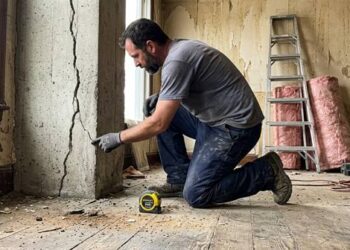
Before fitting ready made panelling, proper preparation is essential. The wall surface should be clean, dry, and smooth. Remove nails, fill cracks, and sand down any uneven areas to ensure the panels sit flush.
Measuring the wall precisely is just as important—Mark guides with a spirit level to ensure everything is level. Minor alignment errors can also be visible when the panels are installed, so accuracy at this stage saves you from making big corrections later.
Taking time to prepare the surface ensures the final result looks intentional and refined.
Positioning and Securing the Panels
When you have your measurements nailed, hold the panels up dry against the wall before you add adhesive. This lets you check spacing, alignment and overall weight.
Spread strong construction adhesive evenly on the back of your prefabricated panelling and press it firmly to the wall. Use a level to keep it straight. In some cases, supplemental fastening with nails or screws will be necessary, especially for large panels.
Begin at the top of the wall and work your way down uniformly spacing and using a line as a rest to keep everything straight. Patience during this step makes a significant difference in how your finished product will look.
Handling Corners and Edges Neatly
Edges and corners may make or break a finished surface, whether you will see it in the DIY or professional field. Be sure to measure twice around outlets, doorjambs and corners before you cut your panels to size. Use nippers of the right quality to ensure clean edges.
Where necessary, use baseboards or other molding to achieve smooth transitions at corners or runs along the top. Neat edges enable ready-made panelling to run seamlessly and appear as solid walling in the room.
It’s the amount of detail you can include in these places that really makes the difference.
Finishing for a Polished Look
After installation, if there are small gaps or holes from nails, fill them with the appropriate filler, then sand once dry. Run a bead of decorators’ caulk along all the edges where the panels meet the wall for a neat and uniform finish.
If the panels are not pre-finished, coat with primer and paint on all sides, allowing adequate drying time between coats. A smooth, even paint job really adds depth and texture to the room that standard panelling just can’t match.
Finishing on your touch makes sure the installation looks professionally finished and not just rushed.
Final Thoughts
Installing ready-made panelling is a manageable project with the right preparation and attention to detail. By carefully preparing the wall, accurately aligning panels, and focusing on clean edges and finishes, you can achieve a result that rivals professional installation.
When done properly, ready-made panelling adds character, texture, and architectural interest, transforming an ordinary wall into a refined design feature.