Table of Contents
- Introduction
- Pack by Category
- Keep a Ready-to-Go Bag
- Choose Durable Carryalls
- Prepare Food and Comfort Items
- Reset the Bag Regularly
- Conclusion
Introduction
Busy parents often carry items for everyone. Snacks, wipes, water bottles, toys, jackets, school papers, groceries, and personal essentials can quickly turn one bag into a messy pile. Without a simple system, it becomes hard to find what you need when you need it.
Good packing is not about bringing everything. It is about bringing the right things in a way that is easy to manage. With a practical routine, parents can handle school runs, errands, appointments, weekend activities, and short trips with less stress.
Pack by Category
Packing by category makes items easier to find. Instead of placing everything loose in one bag, group similar items together.
Useful categories include:
- Snacks
- Hygiene items
- Extra clothing
- Entertainment
- School papers
- Parent essentials
- Emergency items
Small pouches or zip bags can help separate categories. For example, one pouch can hold wipes and tissues, another can hold snacks, and another can hold small toys or crayons. This makes it easier to grab what you need without emptying the whole bag.
Keep a Ready-to-Go Bag
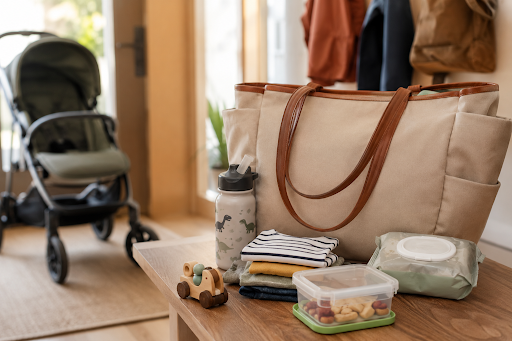
A ready-to-go bag saves time when leaving the house quickly. It can be kept near the door, in the car, or in a closet basket.
Useful ready-to-go items include:
- Wipes
- Tissues
- Hand sanitizer
- Snacks
- Water bottle
- Extra shirt
- Small toy or book
- Bandages
- Lightweight jacket
- Reusable container
This bag does not need to include everything for a full day out. It should simply cover common needs during short errands, school pickups, playground visits, or appointments. Keeping a basic kit ready prevents the last-minute rush of packing from scratch.
Choose Durable Carryalls
Parents often need bags that can handle weight and frequent use. Large tote bags are practical because they provide open space for different items and are easy to pack quickly. They can carry groceries, toys, extra clothing, books, or sports gear.
For heavier use, durable canvas bags are helpful because they are stronger than thin disposable bags and can be used repeatedly. A sturdy bag also reduces the chance of handles breaking when carrying heavier family items.
When choosing a parent-friendly bag, consider:
- Strong handles
- Washable fabric
- Wide opening
- Comfortable carrying
- Enough structure to stand upright
- Neutral design for everyday use
- Space for smaller pouches
Prepare Food and Comfort Items
Snacks and comfort items can prevent stressful moments during long waits, traffic, errands, or appointments.
Good options include:
- Crackers
- Fruit
- Granola bars
- Reusable water bottles
- Small blanket
- Extra socks
- Lightweight jacket
- Coloring book or notebook
- Simple toy
Choose items that are easy to clean and do not create extra mess. Avoid packing too many toys or snacks, since extra weight can make outings harder.
Reset the Bag Regularly
Even the best-packed bag becomes messy over time. A weekly reset keeps it useful and prevents clutter from building up.
During a reset:
- Throw away trash
- Remove old receipts
- Refill wipes and snacks
- Wash reusable containers
- Replace extra clothing if needed
- Return toys or books to their place
- Check whether seasonal items need changing
This habit helps the bag stay ready for the next outing. It also prevents you from carrying outdated items that no longer fit your child’s age, the weather, or your current routine.
Conclusion
Packing for family life becomes easier with a simple system. By grouping items, keeping a ready-to-go bag, choosing durable carryalls, preparing useful snacks, and resetting regularly, busy parents can stay prepared without carrying unnecessary clutter.