


A promotional video can be the most persuasive asset a brand owns, or it can be thirty forgettable seconds that quietly drain a budget. The difference rarely comes down to production polish. Plenty of expensive, beautifully shot clips fail to move a single customer, while scrappy, sharply focused ones sell out inventory. What separates the two is intent: knowing exactly who you are talking to, what you want them to do, and how to earn their attention before they scroll away. For small business owners and marketers who cannot afford to guess, that clarity is everything. The good news is that producing a promo no longer requires a film crew or weeks of turnaround. With the right approach and modern tools, one person can concept, assemble, and publish a conversion-focused video in an afternoon. This guide breaks down what makes a promotional clip actually work, from the opening frame to the final call to action, so your next campaign earns its keep.
Start With the Outcome, Not the Footage
Most weak promos begin with a folder of clips and a vague hope of stitching them into something nice. Strong ones begin with a single, measurable goal, such as bookings this week or sign-ups by Friday. When you fix the outcome first, every creative decision gets easier because you can ask whether a shot, a line, or a transition moves the viewer toward that action. A tight video promo is built backward from the click you want, not forward from the material you happen to have. Define the one thing a viewer should do, write it down, and keep it visible while you work. This discipline prevents the common trap of making something that looks impressive in a review meeting but does nothing for the metric that actually pays the bills.
Winning the First Three Seconds
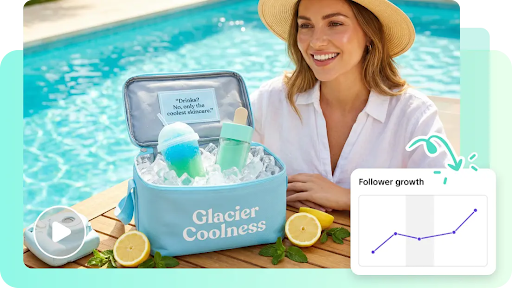
Attention is very quickly judged. Your first frame looks like a billboard, and a big portion of the audience leaves before you start your pitch. The fix is to lead with tension or curiosity instead of a logo: illustrate the issue your product addresses, ask a question the viewer shares, or disclose an unexpected result right away. Motion in the first frame helps, as does a short on-screen line that promises value. Reserve the brand reveal until after you have garnered a few seconds of trust. Consider the opener as a door you hold open with your hand; only when the viewer steps through does the rest of the pitch get to work.
Structure the Middle So It Never Sags
Leaking attention is the problem of the body of a promo. To keep it tight, follow the usual emotional journey: agitate the problem just enough so the viewer feels it, position your product as the obvious relief, then provide proof that the relief is real. Proof is the most overlooked component here, be it a short demonstration, a real outcome or an authentic customer reaction. Let each idea play to one beat and cut before you start lingering, because momentum is what will drive a viewer to the finish. Use a range of shots and tempi to ensure the eye never settles long enough to get bored, but never at the expense of clarity. Each should be building desire or building belief, and if it’s doing neither, then it’s just dead weight you should chop without a second thought.
Matching the Cut to Each Platform
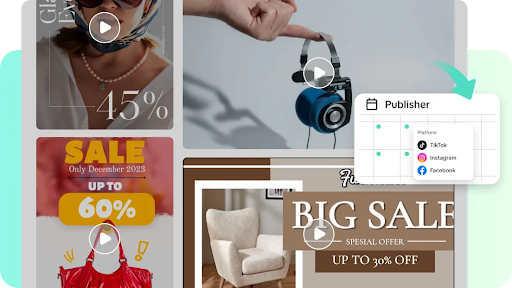
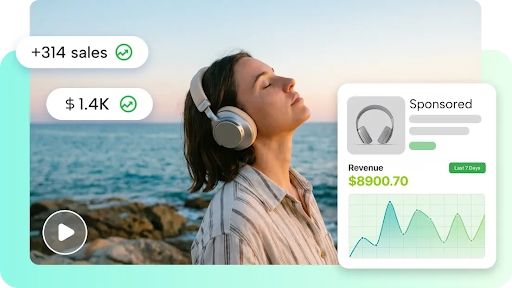
Running a promo in a vertical feed is different to running it as a landscape pre-roll, and a clip created for sound-off watching needs captions in a way that a cinema-style spot wouldn’t. Plan out the actual placements you run, and tailor the framing, length, and captioning for each, rather than attempting to have one master edit everywhere. Pippit AI can turn a single concept into multiple aspect ratios while keeping your product and text idealised and readable, Tao said, transforming what was once a tedious resizing chore into a simple matter of a few clicks. Native fit has always had better performance than being too tightly cropped; treat the use of format as a creative decision and not something to be rectified as an afterthought at export.
Ending on an Unmissable Call to Action
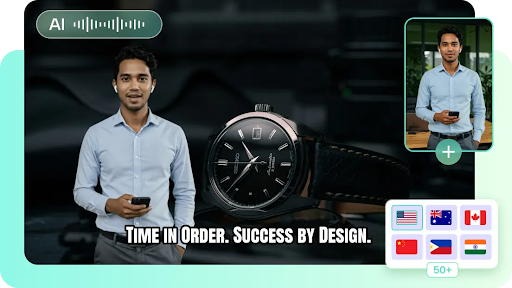
Too many promos build panties-tightening excitement, then fumble the ask. The close should tell the viewer what to do, why to do it now and where to go – in one line of copy and reinforced on-screen. Vagueness kills conversions, so swap out soft phrases such as “learn more” with the action you want your visitors to take, whether that’s claiming a spot, starting a trial, or snatching a limited batch. A little tipping of the scales toward urgency, if it is Believable, may be all the push hesitant viewers need to act instead of telling themselves that they will come back later, which they seldom do.
Test, Read the Numbers, and Refine
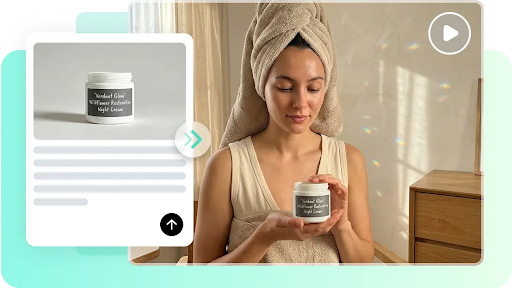
None of these is the best way to do anything, and the quickest way to get better is to test versions against live behavior. Make two or three versions which differ in a single significant way (different hook, different call to action, etc Craft), and see what your audience thinks. Look at your retention curves to find out the exact second viewers drop off, because that is the second right there at which your story is losing them. Then rebuild that section and run it again. Since creating a new variant is now a matter of minutes rather than days, experimentation ceases to be a luxury and starts to become a routine practice that gradually increases your conversion rate from campaign to campaign.
Turning Attention Into Action
A promotional video works when every element pulls toward a single outcome. Begin with the action you want, open with tension instead of a logo, keep the middle tight with genuine proof, adapt the cut to each platform, and close with an ask no one can misread. None of this depends on a blockbuster budget; it depends on clarity and a willingness to test. When you treat each promo as an experiment rather than a one-shot production, you build a feedback loop that keeps improving your results over time. Pick one product, define one clear goal, and build a focused clip around it this week. Measure where viewers drop, sharpen that moment, and run it again. Do this consistently and your videos stop being expenses and start becoming the most reliable salespeople your brand has.