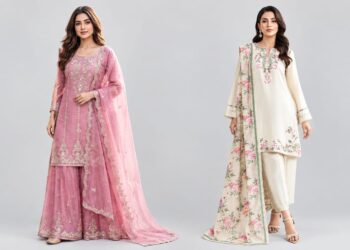



Fashion design programs encompass creative as well as technical skills among the potential designers. This article details the necessary skills that are commonly taught in the modern fashion design courses. This information can be used by anyone who is contemplating this career line to have an idea of what to expect.
The skills learned in fashion design courses today
Sketching and design fundamentals
Sketching is one of the foundations of skills that are taught early in the majority of fashion designing courses. Mastering the art of translating ideas into visuals helps in better conveying the design ideas. These basics are the base point in coming up with unique fashion designs. The following sketching and design principles which are taught in fashion courses should be considered:
- Fashion illustration: Education of proportions and drawing of body parts help with visualization of clothes correctly.
- Concept development: Developing concepts helps to clarify design direction early on by translating ideas into first sketches.
- Colour and texture rendering: By mastering these tricks, it will be easier to communicate fabric and colour selections.
- Technical flat drawing: The art of technical accuracy in sketches will help communicate with the manufacturers effectively.
Textile and fabric knowledge
A basic knowledge of textiles will continue to be important in making knowledgeable design and construction choices. Typically courses touch on the working properties of fabrics, their behavior and their use in various types of garments. This knowledge helps more viable, wearable design results. These areas of textile knowledge are taught in fashion courses:
- Fabric identification: Learning to identify materials would help enable informed choices in designing.
- Fabric behavior: Knowledge of drape and stretch can be used to determine how clothing will look.
- Sustainable material awareness: Knowledge of environmentally friendly materials contributes to the responsible design.
- Fabric sourcing knowledge: Knowledge of sourcing choices helps production planning choices that are practical.
Pattern making and garment construction
The technical basis of the fashion design education deals with pattern making and the skills of construction. To become able to work out the designs and convert them into clothes to be worn, it takes accuracy and experience. These skills are still needed to actualize creative ideas to real life. Consider this pattern making and construction skills taught in courses:
- Pattern drafting: Practice in making correct patterns helps in correct fit and form of garments.
- Draping techniques: Directly using a mannequin assists in three dimensional designing.
- Sewing techniques: Learning how to construct them will help in professional showcase finished garments.
- Fitting adjustments: Refine garments the ways they are supposed to be worn to ensure a good fit that is comfortable.
Digital design tools and technology
Computerized technology has found a lot of use in modern fashion design education. Software aids in graphic visualization of designs, creation of patterns, and technical documentation, are commonly presented in courses. This set of skills assists the designers to operate effectively in the existing industry practices. Take into account such digital design as taught in fashion classes:
- Digital illustration software: Knowledge of the industry standard programs facilitates professional presentation of design.
- Computer-aided pattern design: Design programs in computers facilitate precision and quicker adaptation in production.
- Technical specification creation: Training in writing documents as a clear description will help in the communication of the manufacturer.
Fashion business and industry awareness
The practicality of fashion industry knowledge is in knowing the fundamentals of business and helps designers face the harsh realities. The courses tend to teach the concept of branding, production and positioning in the market. This is knowledge that is useful in designers who intend on the independent or entrepreneurial career path. In fashion courses, the following skills related to businesses are to be taught:
- Brand development: The understanding of the basics of branding will help in creation of a unique design identity.
- Market awareness: Market awareness can assist designers to develop pertinent and marketable collections.
Conclusion
Fashion design courses are a blend of artistic sketching and hands-on construction and business education. Being generally knowledgeable of textiles, digital tools, and industry awareness upholds all-around design education. Development of these skills would also help anyone aspiring to venture into fashion design.