


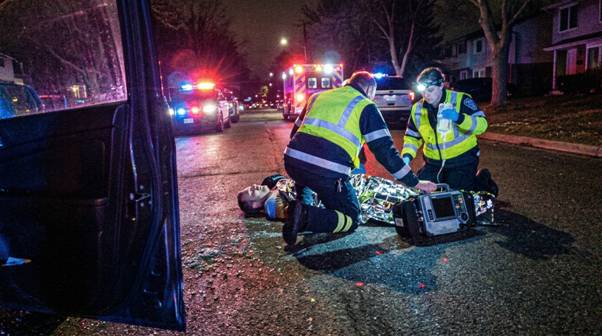
A road accident can leave you feeling confused, frightened, or unsure about what to do next. Even when injuries appear minor, adrenaline and shock can make it difficult to recognize what your body needs immediately after a collision. Knowing the right steps can help you stay safer and make it easier to identify injuries that may not be obvious at first.
The first priority after a road accident is to move away from immediate danger when it is safe to do so, assess yourself and others for serious injuries, and seek emergency medical help when necessary. Even if you feel fine, some symptoms may develop later. Taking a careful approach can also reduce the risk of complications such as infections, particularly when there are cuts, scrapes, or open wounds.
Make Sure You Are in a Safe Location
The first thing to do after a road accident is to check whether you and anyone else involved are in immediate danger. If the vehicles are in an active traffic lane and you can move without worsening an injury, getting to a safer location can help prevent another collision.
Turn on hazard lights if possible and stay alert for approaching vehicles, leaking fuel, smoke, broken glass, or other hazards. Do not attempt to move someone who may have a serious neck, back, or spinal injury unless there is an immediate danger that requires moving them. If someone is unconscious, having difficulty breathing, experiencing severe bleeding, or showing signs of a potentially life-threatening injury, call emergency medical services immediately.
Check for Injuries Even If You Feel Fine
After an accident, adrenaline can temporarily reduce your awareness of pain. This means you may not immediately notice an injury.
Check yourself for:
- Bleeding or open wounds
- Cuts and scrapes
- Swelling or bruising
- Severe or increasing pain
- Difficulty moving a limb
- Dizziness or confusion
- Headache
- Neck or back pain
- Numbness or weakness
- Difficulty breathing
Do not assume that the absence of severe pain means there is no injury. Some symptoms can appear hours or even days after an accident.
Why Delayed Symptoms Matter
Some injuries are not immediately obvious. Whiplash, soft tissue injuries, concussions, and internal injuries may initially produce subtle symptoms or none at all. Pay attention to changes in how you feel after the accident. A headache that becomes worse, increasing neck pain, repeated vomiting, confusion, fainting, weakness, or difficulty staying awake should not be ignored. When symptoms are severe, sudden, or worsening, seek urgent medical attention rather than waiting to see whether they disappear.
Take Care of Cuts and Open Wounds
Cuts and scrapes are common after road accidents, particularly when broken glass, metal, or contact with the road surface is involved. Even a small wound can become contaminated with dirt and bacteria. If the bleeding is manageable, gently clean the wound with clean running water and cover it with a clean dressing. Avoid repeatedly touching an open wound with unwashed hands. Wounds that are deep, heavily contaminated, caused by an object that remains embedded, or difficult to clean may require professional medical attention.
Understanding the Risk of Infection
Open wounds create an opportunity for microorganisms to enter the body. Depending on the circumstances, infections can develop from different types of microorganisms, including viral and bacterial infections. This is one reason proper wound care matters after an accident.
Signs of a wound infection can include increasing redness, swelling, warmth, worsening pain, drainage, or fever. If these symptoms develop, a healthcare professional can determine whether further treatment is necessary.
When Should You Seek Medical Attention?
Not every road accident requires the same level of medical care. However, you should seek prompt medical attention if you experience symptoms that could indicate a significant injury.
Consider getting evaluated when you have:
- Persistent or worsening pain
- A suspected fracture or dislocation
- Significant bleeding
- A deep or contaminated wound
- Loss of consciousness
- Confusion or unusual behavior
- Severe headache
- Repeated vomiting
- Difficulty breathing
- Neck or back pain after a significant collision
- Numbness or weakness
- Difficulty walking or moving normally
It is better to have a concerning symptom evaluated than to assume it will resolve on its own.
Do Not Ignore Head or Neck Symptoms
Head and neck injuries deserve particular attention after a collision. Even when there is no obvious external injury, the force of an accident can affect the head, neck, or spine. Symptoms such as dizziness, confusion, severe headache, balance problems, unusual sleepiness, vision changes, or memory problems should be taken seriously.
Similarly, significant neck pain or stiffness after an accident should be evaluated, particularly if it occurs with numbness, weakness, or pain extending into the arms or legs. Do not attempt strenuous activity simply because you initially feel okay. Give your body time to recover and follow medical advice if you have been evaluated.
What About Minor Cuts and Scrapes?
Minor cuts and scrapes can often be managed with basic first aid, but proper cleaning is still important. Wash your hands before touching the wound and gently rinse away visible dirt or debris. Keep the wound covered with a clean dressing when appropriate and change the dressing as needed. Watch for changes rather than assuming that every wound will heal without complications. A wound that becomes increasingly painful, swollen, red, warm, or begins producing unusual drainage should be checked by a healthcare professional.
Keep an Eye Out for Infection
The risk of infection depends on the type and severity of the wound, how contaminated it was, and how quickly it was cleaned and treated. A developing infection may cause:
- Increasing redness around the wound
- Swelling
- Warmth
- Worsening pain
- Pus or unusual drainage
- Fever
- Red streaks extending from the wound
- Feeling increasingly unwell
These symptoms do not necessarily identify the exact cause of an infection. Both viral and bacterial causes are possible in different situations, which is why professional evaluation may be appropriate when symptoms are concerning. Do not start antibiotics on your own simply because a wound looks irritated. Antibiotics are used for certain bacterial infections and are not effective against viruses. The appropriate treatment depends on the cause and severity of the problem.
What Information Should You Remember After an Accident?
If you are physically able to do so, document important details after the accident. This may include photographs of the vehicles and surrounding area, information about the other driver, insurance details, and contact information for witnesses. From a health perspective, also remember when symptoms began and how they changed afterward. This information can be useful when speaking with a healthcare professional. If you received medical care, keep track of any instructions, medications, wound care recommendations, and follow-up appointments.
When a Road Accident Requires More Than First Aid
First aid can be helpful for immediate problems, but it does not replace medical evaluation when a serious injury is possible.
A healthcare professional may need to examine wounds, assess movement and pain, evaluate possible head injuries, or determine whether imaging or additional treatment is necessary. This is particularly important when symptoms are worsening or when you have an injury that cannot be adequately cleaned or managed at home.
Taking Care of Yourself After a Road Accident
Recovering from a road accident is not always limited to the first few hours. Some symptoms may become noticeable later, while wounds can require several days of monitoring. Pay attention to your body and follow these basic steps:
- Get to a safe location. Move away from traffic or other immediate hazards when it is safe.
- Check for serious injuries. Look for bleeding, breathing problems, loss of consciousness, or other emergency symptoms.
- Clean minor wounds. Gently rinse cuts and scrapes with clean running water when appropriate.
- Protect open wounds. Use a clean dressing and avoid unnecessary touching.
- Monitor for delayed symptoms. Pay attention to worsening pain, headaches, dizziness, or other changes.
- Watch for infection. Increasing redness, swelling, warmth, pain, drainage, or fever should be evaluated.
- Seek professional care when needed. Do not rely on home treatment when an injury is serious or symptoms are getting worse.
Why Prompt Medical Care Can Matter
Getting medical attention after a road accident is not only about treating obvious injuries. A professional evaluation can help identify problems that may not be immediately apparent and provide guidance about wound care and recovery. This is especially important when an accident involves open wounds, significant impact, head trauma, or symptoms that continue to develop.
Patients who need medical guidance after an accident can speak with healthcare professionals at NewPortBeach about injuries, symptoms, and appropriate next steps. The right level of care depends on the circumstances of the accident and the individual’s symptoms.
Frequently Asked Questions
What is the first thing I should do after a road accident?
First, make sure you are away from immediate danger if you can safely move. Then check yourself and others for serious injuries and call emergency medical services when necessary. Even if you feel okay, monitor yourself for symptoms that may appear later.
Should I see a doctor if I feel fine after an accident?
It depends on the circumstances and severity of the accident. Some injuries can have delayed symptoms, so medical evaluation may be appropriate after a significant collision or when you have concerns about a head, neck, back, or other injury.
What should I do if I have a cut after a road accident?
If the wound is minor and bleeding is manageable, wash your hands, gently rinse the wound with clean running water, and cover it with a clean dressing. Deep, heavily contaminated, or difficult-to-clean wounds should be evaluated by a healthcare professional.
Can a road accident cause an infection?
Yes. Open wounds caused by an accident can become contaminated with microorganisms and may develop an infection. Depending on the circumstances, both viral and bacterial infections are possible. Proper wound cleaning and monitoring can help reduce complications.
What are signs that an accident wound is infected?
Increasing redness, swelling, warmth, worsening pain, unusual drainage, or fever can be warning signs of infection. Red streaks around or extending from a wound can also be concerning. If these symptoms develop, seek medical advice.
Can symptoms appear days after a road accident?
Yes. Some injuries may not produce obvious symptoms immediately. Neck pain, headaches, stiffness, dizziness, or other symptoms can develop later. Any new or worsening symptom after an accident deserves attention, particularly if it is severe.
When should I call emergency services after a road accident?
Call emergency services when someone has severe bleeding, difficulty breathing, loss of consciousness, significant confusion, severe injury, or another potentially life-threatening condition. If you are unsure whether an injury is an emergency, it is safer to seek professional help.
Are antibiotics always needed after a road accident?
No. Antibiotics are not automatically needed for every wound. They are generally used for certain bacterial infections and do not treat viral infections. A healthcare professional can determine whether antibiotics or another treatment is appropriate based on the wound and symptoms.