


From Motivation to Measurement in Fitness
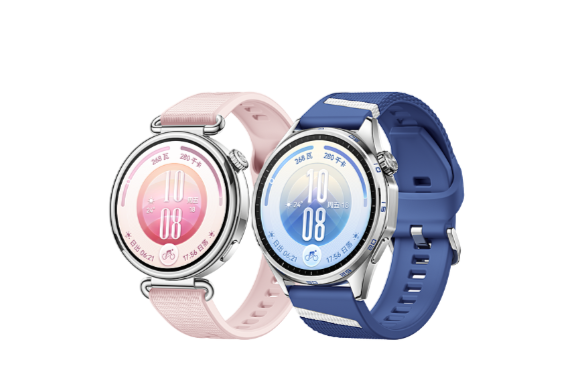
The fitness landscape has shifted dramatically over the past decade. What began as an interest in general activity tracking has evolved into a data-driven approach to training optimization. Athletes and casual fitness enthusiasts alike now seek detailed insights into their workouts, recovery, and overall physical condition. This transition from guessing to knowing represents a fundamental change in how people approach health and exercise. Rather than relying on subjective feelings of effort, individuals can now reference objective data to guide their training decisions. The HUAWEI GT 7Pro represents this evolution, offering a comprehensive toolkit for anyone serious about understanding and improving their fitness performance. From beginners taking their first jogging steps to experienced athletes refining their competitive edge, this wearable provides the metrics that make structured progress possible.
Heart Rate and Exercise Intensity Monitoring
Heart rate remains one of the most fundamental metrics in exercise science. By tracking heart rate zones during activity, users can ensure they are training at the appropriate intensity for their goals—whether building endurance, burning fat, or improving cardiovascular capacity. Continuous monitoring throughout a workout provides real-time feedback that helps adjust pace and effort. If the heart rate climbs too high on a long run, the user knows to ease back; if it stays low during an interval session, they know to push harder. Over time, resting heart rate trends also reveal cardiovascular improvements that may not be visible on a scale or in a weekly mileage log. This longitudinal data transforms exercise from a chore into a measurable, trackable practice with clear indicators of progress.
Recovery Tracking and Overtraining Prevention
Exercise is only half the equation; recovery is where actual fitness gains occur. Monitoring sleep quality, heart rate variability, and daily readiness scores helps determine whether the body is prepared for another intense session or needs additional rest. The huawei gt 7pro integrates these recovery indicators into a cohesive daily summary, preventing the common mistake of training too hard too often. This balanced approach leads to sustainable progress and reduces the risk of injury or burnout. Many enthusiastic beginners fail not because they lack motivation but because they push too hard before the body has adapted. A wearable that flags when recovery is incomplete acts as a protective coach, advising lighter days or complete rest when the body signals it needs time to repair and rebuild stronger.
Workout Variety and Multi-Sport Support
Modern fitness is rarely limited to a single activity. Many people combine running, cycling, swimming, yoga, and strength training throughout the week. A smartwatch that supports dozens of workout modes—from treadmill running to open-water swimming to indoor rowing—ensures that every activity receives appropriate tracking. This versatility encourages diverse training regimens, which are more effective for overall fitness than repetitive single-sport routines. Cross-training reduces overuse injuries, improves balanced muscular development, and keeps exercise interesting and engaging. The watch automatically recognizes when a particular sport begins and applies the appropriate tracking profile, eliminating the need to scroll through menus mid-workout. This seamless support for varied activities makes it easier than ever to maintain a diverse and effective fitness routine.
Conclusion: Data-Driven Fitness for Everyone
Fitness tracking has moved beyond niche athlete communities. Today, anyone can benefit from structured, data-informed exercise planning. The right smartwatch acts as a personal coach on the wrist, offering insights that were once available only to professional athletes. It removes guesswork from training decisions, helps users understand how their bodies respond to different stimuli, and celebrates milestones that might otherwise go unnoticed. For those ready to elevate their training, exploring the full feature set is the natural next step. Visit the official product page to see how this wearable can support every workout and recovery session, turning fitness aspirations into measurable achievements.
Building Sustainable Exercise Habits Through Data
The hardest part of starting an exercise routine is not the workout itself—it is maintaining the habit long enough for results to appear. Wearable data provides the feedback loop that keeps motivation alive. Seeing weekly step totals increase, watching resting heart rate gradually decline, or noticing that recovery scores improve with consistent training creates positive reinforcement that encourages continued effort. Small wins tracked over weeks build confidence and momentum. When exercise is measured and progress is visible, it becomes less of a chore and more of a game with incremental rewards. This psychological benefit of data-driven fitness tracking is just as important as the physical metrics themselves, perhaps even more so for long-term adherence.
Fitness is a personal journey with no universal finish line. What matters is moving forward consistently, respecting the body’s signals, and celebrating incremental improvements. A wearable that supports this journey—without judgment, without pressure, simply by providing accurate data and thoughtful insights—becomes a trusted partner in the process. It is not about comparing to others; it is about understanding one’s own body and pushing its boundaries wisely. With the right tools, every workout becomes an opportunity to learn, improve, and grow stronger.