

What if the key to enjoying your later years isn’t just about managing health but actively building strength, flexibility, and purpose into every day? Many older adults assume that slowing down is inevitable, yet research and real-world examples show that maintaining physical activity throughout your later years can dramatically improve quality of life, independence, and mental well-being. Staying active doesn’t mean training for marathons or lifting heavy weights. Instead, it involves finding sustainable, enjoyable ways to move your body regularly while respecting your individual health needs and limitations.
Find Activities You Genuinely Enjoy
One of the biggest obstacles to staying active in your later years is choosing exercises that feel like obligations rather than pleasures. When you engage in activities you actually like, consistency becomes far easier because you’re doing something that brings satisfaction, not dread. Walking in a nearby park, swimming, dancing, gardening, or playing recreational sports all count as valuable physical activity. Many older adults find that joining a community tai chi class or a casual hiking group provides both physical movement and social connection, which reinforces the habit over time. The key is to experiment with different activities until you find what fits your interests and abilities. Once you’ve identified activities that resonate with you, you’re much more likely to maintain them long-term.
Build Strength Training Into Your Routine
Maintaining muscle mass becomes increasingly important as you age because muscle naturally declines without regular use. Strength training doesn’t require expensive equipment or extreme effort. Simple resistance exercises using your own body weight, resistance bands, or light dumbbells can help preserve muscle tone, bone density, and functional mobility. Activities such as stair climbing, wall push-ups, seated rows, or leg lifts performed two to three times per week can make a measurable difference in your daily capabilities. Even light resistance work helps you maintain the strength needed to carry groceries, rise from a chair, or climb stairs without assistance. Consulting with a fitness professional or physical therapist can help you develop a safe, effective strength routine tailored to your current fitness level.
Prioritize Flexibility and Balance Work
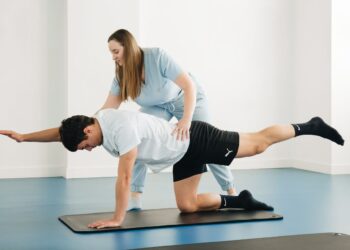
Flexibility and balance become critical components of injury prevention and independence as you get older. Reduced flexibility can limit your range of motion and make everyday tasks more difficult, while poor balance increases fall risk. Gentle stretching, yoga, and tai chi are excellent ways to improve both areas without overwhelming your body. A simple morning routine that includes reaching toward your toes, rotating your shoulders, and standing on one leg for balance can be completed in just ten minutes but yields significant benefits over time. Balance-focused activities help strengthen the stabilizer muscles that support your joints and improve proprioception, which is your body’s awareness of its position in space.
A structured framework that combines flexibility, balance, and strength work can be especially useful for older adults who prefer guided progression. An athletic longevity program offers that kind of organized approach, scaling exercises to individual ability so that participants can advance at a pace suited to their fitness level. Including these practices regularly in your weekly routine creates a foundation for maintaining mobility and reducing injury risk over the long term.
Stay Consistent and Track Your Progress
Consistency matters far more than intensity when it comes to long-term activity in your later years. Establishing a regular schedule, such as exercising at the same time each day or week, helps make activity part of your routine rather than something you have to motivate yourself to do each time. Tracking your progress, whether through a simple journal, a wearable device, or notes on your calendar, provides motivation and helps you see tangible improvements over time. You might notice that a walk that felt challenging three months ago now feels easier, or that you can hold a balance pose longer than before. These small victories reinforce your commitment and demonstrate the real benefits of your efforts. Setting modest, achievable goals gives you something specific to work toward and helps you recognize progress along the way.
Listen to Your Body and Adapt as Needed
One of the most important principles for staying active well into your later years is recognizing the difference between pushing yourself productively and pushing yourself into injury. Your body’s needs may change based on weather, fatigue, health conditions, or other factors, and flexibility in your approach prevents burnout and setbacks. If an activity causes sharp pain or leaves you feeling exhausted rather than energized, reconsidering how you’re approaching it or modifying the movement is worthwhile. Working with a healthcare provider or fitness professional ensures that your activity choices support your specific health situation. Adapting your routine as circumstances change allows you to maintain activity throughout the decades ahead rather than stopping and starting repeatedly.
Conclusion
Staying active well into your later years is achievable when you prioritize enjoyment, consistency, and listening to your body. By choosing activities you genuinely like, incorporating strength training and balance work, and maintaining a flexible approach to your routine, you create a sustainable path to continued health, independence, and well-being. The benefits of staying active extend far beyond physical fitness to include improved mental clarity, stronger social connections, and a greater sense of purpose. Even small amounts of regular activity yield meaningful results, and it is never too late to begin moving more. The investment you make in staying active today pays dividends in the quality of life you enjoy throughout your later years.