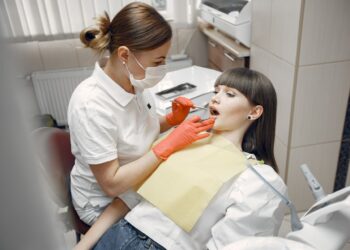



You keep sipping water, carrying a bottle everywhere, waking up at night for another drink, and your mouth still feels sticky, rough, or almost burnt. Eating dry food gets harder. Talking for long stretches feels uncomfortable. Your lips crack, your tongue feels strange, and the usual advice to “just drink more water” starts to feel useless. That frustration makes sense. Invisalign in Great Neck, NY.
This is more than just dehydration. While this sounds contradictory, more often than not, the answer is not simply water. It can often be because the salivary glands are not producing enough saliva, or some sort of chemical doesn’t do the normal service for the body to utilise. Hence, the fact that even drink water does not solve all dry mouth problems, indicates the common cause for that is water. Water can provide some help for your dry mouth but only a short while. It is not always the right answer in order to get to the underlying driver.
Dry Mouth Often Comes From Reduced Saliva, Not Just Thirst
It is undeniably true that a lack of fluid intake, not having enough water in your body, signals you to drink water. But there are several other potential causes of dry mouth: medications, mouth-breathing, nerve problems, cancer therapies, diabetes, ageing, tobacco use, or autoimmune diseases. These waters only help temporarily as the dryness does continue to cause a very small amount of saliva to be physically produced.
Saliva does more than make your mouth feel comfortable. It helps you chew, swallow, speak, taste, and protect your teeth. It washes away food particles and lowers acid in the mouth. When saliva drops, the risk of cavities, gum irritation, bad breath, mouth sores, and oral infections goes up. The National Institute of Dental and Craniofacial Research explains dry mouth in detail, including how often it is tied to underlying health issues rather than simple thirst.
You may notice this pattern already. You drink a full glass of water, feel better for ten minutes, then the dryness comes right back. That usually points to a saliva problem, not a water problem.
Medications and Health Conditions Commonly Cause Ongoing Mouth Dryness
One of the most common reasons for persistent dryness is medication. Drugs used for allergies, depression, anxiety, high blood pressure, pain, bladder control, and sleep can all reduce saliva. Many people do not connect the timing. They start a new prescription, then a few weeks later their mouth feels dry all day, and they assume they need to drink more.
Health conditions can do the same thing. MedlinePlus lists common causes of dry mouth, including dehydration, salivary gland problems, and medicine side effects. Some people also live with autoimmune conditions that attack moisture-producing glands. Sjogren’s disease is one of the clearest examples. It often causes dry mouth along with dry eyes, fatigue, and joint pain.
It also has an impact on things you try to do: first, they think of logical choices. They drink more water, avoid salty snacks, sometimes even gum, and then let it go, but the dryness continues to gnaw away. Moods get darker during meals. Sleep is restless. Dental work in the form of cleanings will be needed as the likelihood of severe disease at the gumline increases. You may also develop the symptoms of pharyngitis or even hoarseness of your voice if you are mouth breathing during the night.
Short Term Moisture and Long Term Relief Are Not the Same
Water hydrates tissue. Saliva protects tissue. If your mouth is dry as it is from a day outdoors without hydration, the normal fix is water. In cases of salivary gland disease, water is more of just an oral rinse.
When symptoms last longer or come back or get worse, a more frequent and during these times absence of saliva might result, you may be able to manipulate something for it with your teeth. For instance, some dentists know that developing signs of oral dryness can be picked up by a general dentist. Some early signs of dry mouth include speaking about dry and stringy saliva, a red tongue, a cracked mouth inner corner, gum line plaque or its ever-changing tendency to stabilise cavities. If something is glaringly off of your mouth, you may need to consider seeing your GP.
Home Care and Professional Evaluation Help in Different Ways
Dry mouth treatment works best when it matches the cause. Home care can reduce discomfort. Professional care can identify what is driving the problem and help protect your teeth before damage builds.
| Approach | What It Can Help With | Limits |
| Drinking more water | Temporary moisture, dehydration-related dryness | Does not restore saliva production if glands are affected |
| Sugar-free gum or lozenges | Can stimulate saliva in some people, helps with comfort | Less useful if saliva production is very low |
| Humidifier and nasal breathing support | Helps dryness linked to mouth breathing, especially at night | Will not fix medication or disease-related causes |
| General dentist evaluation | Finds tooth damage, oral infection, saliva changes, risk patterns | May need coordination with a physician for medical causes |
| Medical review of medications and conditions | Targets the root cause when dryness is ongoing | Changes may take time and require careful supervision |
If dryness is mild and occasional, simple steps may be enough. If it is daily, wakes you at night, or comes with mouth pain or new cavities, treating it like a hydration issue alone can delay the real fix.
Simple Steps Can Reduce Dry Mouth Stress Right Away
- Keeping track of when the dryness is at its worst is important. Do you notice it is worse at certain times of day, during exercise, on medication, or all day? Be sure to note any other symptoms along with it like dry eyes, some effort making a clean feel impossible, or how the food tastes. Patterns make your dentist or doctor find the source faster.
- Make yourself aware that you are in the process of discovering the cause. Decrease your intake of salty food, alcohol, and caffeine beyond the point of masking your symptoms. Buy a fluoride toothpaste. If you find your mouth is dry when you are sleeping, a humidifier and nasal passage support might help.
If the problem keeps happening back again, schedule a dental appointment. A dentist can evaluate failure of adequate saliva production, cavities, gum inflammation, oral yeast infection, and trigger points due to chronic dryness. This is relevant because mouth dryness can do silent person damage to teeth even when bothering you Sounds no biggie.
Dry Mouth Deserves More Than Repeated Glasses of Water
If you don’t feel thirsty no matter how much you drink, you’re not overdosing on fluids, and you’re not imagining it. You’re just producing less saliva, affected by a side effect of medication, mouth breathing, or having a health problem. Once the cause is determined, you find the solution is much better off identifying it versus simply trying hard to drink more water.
A general dentist can help you understand what your mouth is showing and what to do next. If dry mouth has become part of your daily routine, make an appointment and get a clear plan before it turns into tooth decay, pain, or bigger oral health problems.