


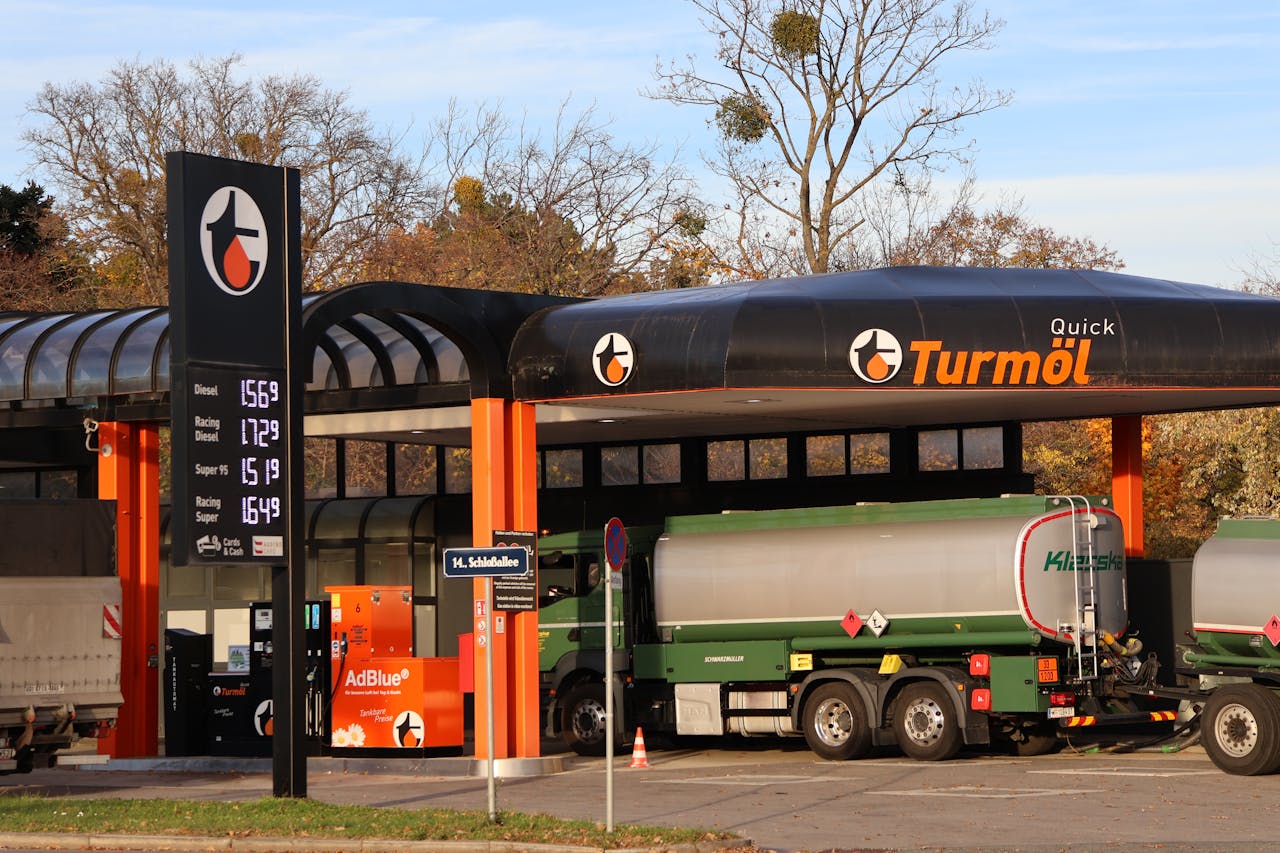
Winter brings many challenges to driving, but for diesel-vehicle owners relying on AdBlue, it introduces specific considerations that are worth being aware of. In cold weather, low temperatures can impact AdBlue’s performance, the frequency of refills, and the behaviour of your vehicle. This article addresses the key questions owners ask about using AdBlue during winter and provides practical guidance to help you stay safe and compliant, avoiding unexpected issues.
Why Winter Matters for AdBlue
Diesel vehicles fitted with a Selective Catalytic Reduction (SCR) system rely on the urea‑based solution AdBlue to convert harmful nitrogen oxides (NOx) into nitrogen and water before exhaust is released.
In cold climates or during winter, several factors can impact the effectiveness of AdBlue, including temperature, frequency of use, and the storage and handling of the fluid. If AdBlue becomes too cold, its viscosity can change, or it may begin to crystallise, which can impair its effectiveness or prevent dosing altogether. Understanding this risk prevents breakdowns and potential system failures.
Knowing how to use AdBlue properly in cold weather can save you from unexpected issues, especially if your car refuses to start because the SCR system detects no fluid.
How Cold Affects AdBlue
Reduced fluid flow and crystallisation risk
AdBlue is a clear, non-toxic, non-flammable aqueous solution of high-grade urea (32.5%) and de-ionised water. In freezing and near-freezing temperatures, the water fraction may freeze or become more viscous. This can lead to strain on the dosing pump or cause issues such as nozzle and exhaust system plugging.
If the system is unable to deliver AdBlue properly, the SCR catalyst cannot perform as designed and the toxic NOx emissions will not be neutralised. Some vehicles may inhibit engine start. Now you know when to check your fluids and storage conditions before your cold weather sets in.
Higher consumption and more frequent refills
Winter driving typically consists of short journeys, stop‑start traffic and cold engine and exhaust temperatures, which can all influence AdBlue consumption. Normal consumption of AdBlue is approximately 1.5 to 2.5 litres per 1,000 km.
During winter, however, you can expect a slightly higher consumption since the SCR system will be running more frequently and possibly with more fluid to handle emissions effectively. This implies that you have to top off the fluid sooner than usual and check levels more frequently.
Preparing for Winter: Best Practices for Diesel Owners
Store and transport AdBlue correctly
Frequently Asked Questions: What is AdBlue? In winter, is it possible to buy frozen AdBlue?After cold-soaking, AdBlue can crystallise in the ureа stream or freeze, rendering it unusable.
Be advised to use an insulated cooler or thermal bag when you carry AdBlue in cold weather conditions. If you parked your car in a warmer place at night, the fluid in the tank on board? probably a little warmer, and among the resulting temperature range for use.
Refill before cold weather hits and monitor levels
Before the freeze sets in, top off your AdBlue reservoir. When filled,pay attention to the warning threshold on the dashboard, because most modern diesels warn long before the tank becomes empty. Nipping off the filling early also reduces the chance of freezing on a cold day while waiting for a hot one.
Monitor the level more frequently in winter if you make lots of short trips or city driving. That way, you can avoid being stranded unnecessarily, as the system prevents the engine from starting.
Warm up gently before heavy use
When the vehicle is cold do not require heavy acceleration or load on the vehicle (such as towing) right after startup. Let the engine and exhaust system warm up for a few minutes. This ensures that the dosing system can run smoothly, prevents the SCR system from being stressed, and makes sure that once the exhaust temperature meets catalyst functions/moves heat, the correct amount of textit{AdBlue} is injected.
Benefits of Using AdBlue Properly
The correct application of AdBlue has both environmental and regulatory advantages. Diesel engines equipped with SCR and dosed with AdBlue in an appropriate manner can reduce NOx emissions in exhaust systems by up to 90% when compared to the untreated ones.
Studies also indicate that new diesel cars designed to comply with more recent emissions regulations and fitted with emissions-control hardware such as SCR have been able to greatly reduce their real-world NOx and particulate emissions relative to older diesels.
For motorists, that means following the emissions rules, helping to clean the air and not getting hit with expensive fines or restrictions, which is particularly pertinent in areas that have low-emission zones.
What You Should Do: Practical Steps for Winter
- Check your vehicle manual to confirm whether it uses an SCR system and requires AdBlue
Not all diesel engines require AdBlue or are fitted with an SCR (Selective Catalytic Reduction) system. Check your vehicle manual to find out if your engine needs AdBlue and where the tank is located. Know your system before you break the bank on doomsday errors, such as trying to fill a vehicle that doesn’t need it or running out of AdBlue in a car that does. The manufacturer’s approved procedure being followed will ensure that the emissions regulations are not breached and could prevent damage to the engine or system.
- Refill your AdBlue tank before winter arrives
Fill up your AdBlue tank before the cold weather hits. This minimises the chance of running out when temperatures fall, and the engine refuses to start. A full tank also guarantees that the system that administers the doses works properly so that the right amount of NOx is reduced. Filling up early is especially crucial if you expect to be making short, frequent trips in the winter, as that kind of driving can lead to greater fluid use.
- Store spare AdBlue in a temperate place
If you are carrying AdBlue for emergency use, store it in a stable environment at moderate temperatures, such as a garage, shed or in an insulated container. Freezing can lead to fluid solidification, which means your fluid crystallises or freezes and is no longer useful. When carrying AdBlue along with the vehicle, use an insulated cooler or a thermal bag to keep a safe temperature. The proper handling and storage of the fluid ensures it’s available and prevents damage to the SCR system when the fluid is needed.
- Monitor AdBlue levels regularly
In the winter, monitor your AdBlue levels more often, especially if you drive in stop-and-go traffic, take short trips, or drive long distances in cold weather. Today’s vehicles do tell you on the dashboard when you’re running low on fuel, but there’s an extra layer of assurance if you go and check manually. Frequent monitoring prevents the engine from not starting or the SCR system from malfunctioning due to a lack of DEF fluid.
- Allow your vehicle to warm up on cold mornings
On chilly morning days, start the engine and let the vehicle and exhaust system warm up for a couple of minutes before asking for full performance. This warm-up time ensures that the AdBlue dosing system is up and running, the SCR catalyst reaches the required temperature, and the effective reduction of NOx emissions takes place. Do not accelerate hard or tow right away, as it can put a strain on the engine and the dosing system.
- Always refill via the correct AdBlue filler port
Don’t ever add AdBlue to the gas tank. This can damage the engine and fuel system and be very expensive to repair. Always use the specific AdBlue filler cap that is normally adjacent to or in the vicinity of the diesel fuel cap. Observe the manufacturer’s refill instructions, including any advised filling rates/precautions. Defect refilling Safeguards the SCR system, keeps emissions compliant and avoids costly repairs.
When to Consider Additional Help or Servicing
If the warning lights always come on even after refilling, or you have difficulty starting your engine when it’s very cold, have the AdBlue dosing system checked by your mechanic. Occasionally, pumps, injectors, or sensors can fail or become clogged up, particularly after being subjected to cold temperatures.
If your vehicle is older or was not previously equipped with AdBlue, check with the manufacturer or dealer to see if it has an SCR system before assuming that you need AdBlue.
Conclusion
Cold weather introduces real challenges for diesel vehicle owners relying on AdBlue. Lower temperatures, short trips, and more frequent use of emissions control systems can increase AdBlue consumption and raise the risk of dosing problems. By storing AdBlue properly, refilling it before winter, regularly monitoring levels, and warming up the vehicle gently, you can keep your car running smoothly and maintain low emissions. Proper use of AdBlue helps your vehicle remain compliant, protects the environment, and ensures reliable operation even in the coldest months.