

While the digital age has transformed the way we communicate, faxing remains a trusted method for secure document transmission in many industries. However, as technology advances, the dilemma between sticking with traditional fax machines and switching to faxing software emerges. Each approach to faxing has its distinct ramifications for workflow, costs, and security.
In this article, we will delve into the nuances of both faxing methods, offering insights on how they differ and impact business operations. Whether you’re running a small business or managing an enterprise, understanding these distinctions is vital in making an informed decision for your document transmission needs.
Comparing Faxing Software and Traditional Fax Machines

Switching from a traditional fax machine to faxing software often leads to significant improvements in efficiency. Faxing software automates the document delivery process, reducing the need for manual operations like feeding paper, fixing paper jams, or waiting for confirmations.
Conversely, traditional fax machines demand physical space and constant maintenance. The cost of supplies, such as paper, ink, and toner, not to mention the machine’s wear and tear, can accumulate over time. faxing software In comparison, faxing software usually offers pay-as-you-go or subscription models, which can be more cost-effective.
For businesses considering a transition, it’s important to evaluate workflow, volume of faxes, and staff adaptability to new technology. Implementing software solutions typically requires training, but once in place, can lead to a seamless and more modern communication process.
Assessing the Cost Implications for Businesses
The cost benefits of faxing software become apparent when analyzing long-term operational expenses. While the upfront investment in fax machines may seem lower, their ongoing costs can erode this initial advantage.
Software solutions typically come with updates and customer support included, eliminating the need for external service contracts often associated with physical machines. Moreover, faxing software scalability allows businesses to adapt to changing needs without purchasing additional hardware, thereby making it a more financially sustainable option.
When examining expenses, businesses should consider not only direct costs but also indirect factors such as employee productivity. Faxing software can sometimes integrate with existing digital infrastructure, streamlining communications and reducing time spent on fax-related tasks.
Understanding the Security Protocols in Fax Transmission
Security is a paramount concern in selecting a faxing method. Faxing software often employs advanced encryption protocols to secure data during transmission, a critical feature for industries handling sensitive information.
Traditional fax machines, while typically secure due to their direct line transmission, are vulnerable to security breaches if left unattended or if sensitive documents are forgotten in output trays. This risk is mitigated in faxing software, where access can be controlled and documents encrypted both at rest and in transit. Companies can implement security protocols tailored to their specific needs and compliance requirements.
For those seeking robust security measures, due diligence is required to ensure the chosen faxing software complies with industry standards and regulations, such as HIPAA for healthcare or GDPR for European data protection.
Evaluating Ease of Integration with Modern Business Systems
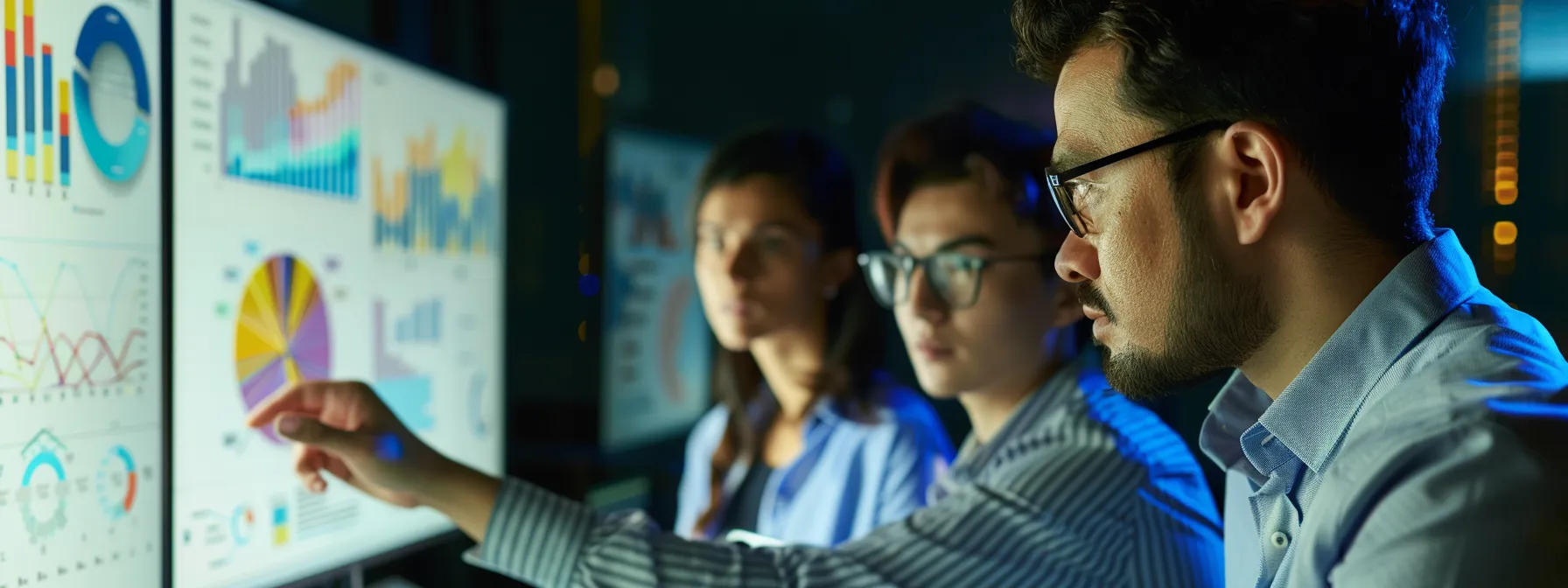
In today’s interconnected environment, the ability to integrate with existing business systems is a significant advantage of faxing software over traditional machines. This encompasses compatibility with email platforms, document management systems, and customer relationship management (CRM) tools.
Traditional fax machines operate in relative isolation, requiring additional steps to digitize and distribute incoming faxes. Faxing software, on the other hand, can directly interface with other software solutions, thus facilitating immediate digital archiving and distribution.
When selecting a fax solution, it’s beneficial to assess the available integration options and the potential for automating workflows. An ideal faxing solution should enhance productivity by seamlessly fitting into your existing technological ecosystem.
Ultimately, the decision between utilizing faxing software versus traditional fax machines boils down to a company’s specific needs regarding efficiency, cost, security, and system integration. While faxing software offers modern advantages in these areas, traditional machines may still have a place in certain contexts. By carefully considering both the immediate and long-term implications of each option, businesses can make a choice that supports their operational objectives and strategic growth.