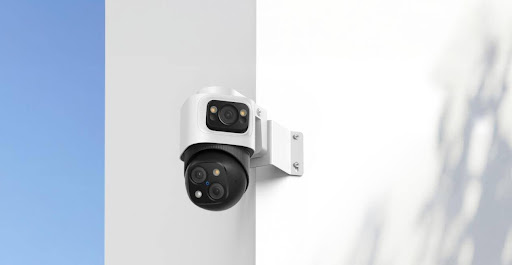
Installing a security camera system often becomes more complicated than expected because traditional setups rely on separate cables, outlets, and power adapters that quickly turn into a tangled challenge. Many households find that running multiple lines through walls or ceilings requires significant planning, especially when the building layout lacks convenient power sources. These limitations frequently force compromises on camera placement, making it harder to achieve strong coverage or ideal angles. Power over Ethernet (PoE) technology removes many of these barriers by combining power and data transmission into a single cable. In this article, the ways PoE simplifies installation and improves long-term system performance are explained through practical, easy-to-apply guidance.
The Core Advantage: One Cable Does It All
Eliminating Separate Power Cables and Outlets
PoE technology dramatically reduces installation complexity by supplying power and transmitting video through one Ethernet cable. Traditional systems require a dedicated power outlet near the camera, which often leads to awkward extension cords or visible wiring that disrupts the home’s appearance. By removing the need for a nearby power source, POE camera can be placed where visibility is most effective rather than where electrical access happens to exist. This consolidation also simplifies safety considerations because fewer components are exposed to environmental wear. With fewer cables to install, many setups become quicker, cleaner, and far more reliable.
Simplifying Cable Routing and Management
Running a single cable is easier than running separate power and data lines, particularly in residences with cramped attic spaces or complex wall configurations. Installers can run Ethernet cable easily through existing conduits or along concealed ceiling line without concern for distance limitations due to voltage drop, or outlet locations. This simplified wiring regime eliminates clutter and reduces the number of connections which require future maintenance. It enables a more organized system design, especially when multiple cameras are involved. A more straightforward cable pathway means fewer mistakes during installation and the end result is a cleaner look that complements the home.
A More Flexible and Professional Installation Process
Greater Placement Freedom Away from Power Sources
One of the biggest advantages of PoE is that you can mount your cameras wherever you can get the best coverage without having to worry about proximity to a power outlet. Places like high outside walls, far corners of big yards or near outbuildings can now be watched more easily. This flexibility in positioning allows for improved sightlines and minimizes blind spots created by compromised installation. With PoE, the coverage can be planned to the security needs and only then the electrical limitations considered. For homeowners with simple or more complex layouts who desire a reliable solution where power and clear transmission are a given, PoE models from eufy bring these two together for a seamless monitoring experience from indoor and outdoor.
Centralized Power Management from the PoE Switch
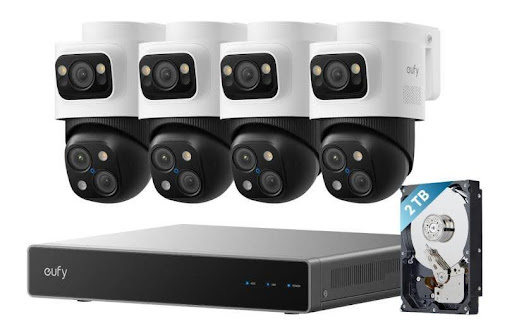
A PoE switch is the power source for all of your cameras working as a system, and you will get your smart system that provides each device with reliable power from one place. That’s a good thing, a centralized system makes for simple troubleshooting because if you have a power problem, you know it is at the switch and not at several different outlets. It even simplifies system upgrades because you can just plug in “another camera” via an additional network connection. Central power also eliminates the risk of varying performance resulting from old wall adapters or flaky home wiring. This leads to a more controlled – and professional – grade installation that can still be maintained over time.
Enhanced Reliability and System Performance
Stable Power Delivery for Consistent Operation
Constant power is a must-have for a camera system designed for 24/7 operation, and PoE provides power in a predictable manner. Traditional adapter power might fluctuate with outlet quality but PoE supplies a constant power source that makes the cameras operate reliably. This steady supply also prevents any unexpected shut off of the system or the stop of recording, which allows the recording is always complete even in the long working time. Adding in secure data transmission over the same cable, PoE makes the whole system more reliable. Stable power contributes to clear video images and continuous monitoring.
Reduced Failure Points for a More Robust System
Every connector, adapter or cable that is exposed has the potential to cause a system malfunction. PoE reduces such risk by cutting down the number of items needed for powering a camera. There are less cables, regarding less joints that could be loose up, less adapters that could malfunction and less external factors that could be interfering with the system. This simplicity when it comes to design also improves the resilience in the changing weather conditions or general abrasion, especially if mounted in-place. PoE eliminates more potential points of failure and results in a more reliable system with lower maintenance and long-lasting performance.
Conclusion
PoE technology transforms security camera installation from a complex, multi-step process into a streamlined and flexible experience. By combining power and data into one cable, it removes the need for nearby outlets, reduces clutter, and enables optimal camera placement. Centralized power management further organizes the system, while stable delivery and fewer failure points contribute to increased reliability. Whether used in small homes or extensive properties, PoE supports a cleaner setup and stronger long-term performance. For households seeking a dependable and straightforward installation approach, PoE offers a practical and effective solution.