


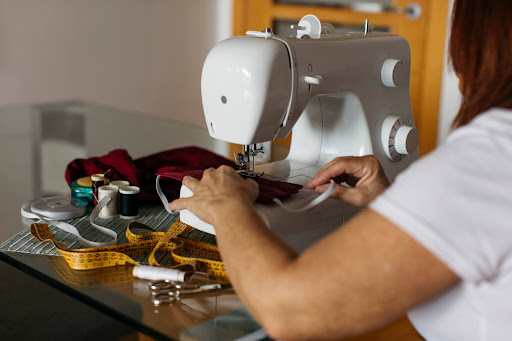
A sewing machine is only as dependable as the parts that make it tick. For professionals and hobbyists alike, well-maintained Vintage & Modern Sewing Machines prevent downtime, protect fabric, and preserve stitch quality. Whether you sew for a living or run a small craft eCommerce store, recognizing which parts wear out first and where to source reliable replacements matters. This guide walks through the common wear parts, how to spot trouble, where to buy trustworthy components, and practical maintenance tips that extend a machine’s working life.
Why Quality Replacement Parts Matter
There’s a difference in quality in replacement parts. Genuine, high-quality parts hold tolerances, run smooth and have less potential to cause secondary damage. An inexpensive drive belt can slip and ruin a seam while under load: an ill-fitting bobbin case can cause a series of tension problems that eat up time chasing ghosts.
For the small companies and e-commerce sellers that depend on a steady output, part reliability can mean a direct line to revenues. A breakdown midweek can set back order processing, increase customer service workload, and damage reputation. Quality parts and timely replacements can mitigate those risks, reducing long-term repair costs and maintaining production predictability.
Outside of commercial considerations, quality parts maintain performance. Needles that meet the machine’s requirements, proper bobbins and bobbin cases, correctly-sized belts – these make for even stitches, consistent feed and non-damaged fabric, and that’s important for sewists, upholsterers, and crafters selling their wares who get paid by the inch for precision.
Common Wear Parts and What To Look For
Most wear issues cluster around a few high-use parts. Understanding their role helps prioritize inspections and purchases.
Needles: Types, When To Replace, And Signs Of Damage
Needles become dull/bent faster than most people think. Use the correct needle for the fabric, ballpoint for knits, sharp/regular for woven fabrics, denim/jeans for thick layers, and microtex for thin synthetics. Change needles every 6 to 8 hours of heavy sewing or more often if you notice skipped stitches, pulling, or damage to the fabric. Burrs that can be seen or bending can be observed under a magnifying glass they are obvious signs that you need to replace your blade.
Drive Belts: Material Choices And Replacement Indicators
Power from the motor is delivered to multiple internal mechanisms of the machine through drive belts. Historically, leather-core belts were common; nowadays, reinforced rubber belts or timing belts are the most common. Symptoms of a bad belt are slipping while under load, a burning smell of rubber, frayed edges, or discolouration from glazing. Replacing belts proactively every few years on machines that see heavy use is a good way to prevent sudden stops.
Bobbins And Bobbin Cases: Fit, Function, And Trouble Signs
The bobbin and the bobbin case maintain lower thread tension and feed. Use only bobbins that are designed for your model; metal bobbins are not the same as plastic ones, and small differences in size do matter. Signs of bobbin problems are popping stitches, uneven tension or thread bunching under the fabric , birdnesting. Check the case rim for nicks, warping or rough edges, too.
Presser Feet And Feed Dogs: Wear Patterns And Performance Issues
Presser feet and feed dogs collaborate to transport fabric. Feed dogs become worn and result in uneven feeding of fabric and gathering: presser feet become worn and result in slipping or inadequate contact with fabric. Check for worn-down (flattened) or smooth feed dog “teeth.” Replace any feet that no longer seat or that rock on the shank.
Tension Discs, Springs, And Internal Small Parts To Monitor
Small internal components, such as tension discs, springs, cams and small guide wraps made of plastic, wear without making noise. Symptoms often manifest as occasional tension issues or skipped stitches. If the tension discs have grooves or deposits that cleaning will not remove, they may need to be replaced. Springs that lose their resiliency will not apply the same pressure consistently and need to be replaced.
How To Identify When Parts Need Replacing
Early detection prevents cascading failures. A few quick diagnostic checks help spot failing parts before they halt production.
Common Symptoms And Quick Diagnostic Checks
Skipped stitches or uneven stitch lengths: check the needle and bobbin case and timing. Change the needle first; it’s the least costly fix.
Strange or loud sounds: be aware of grinding (bearing or cam wear), squealing (belt problems), or clanking (loose parts). When operating the machine at low speed, try to pinpoint the noise.
Thread breakage/birdnesting: examine thread path, tension discs and bobbin match. Remove lint and replace worn tension springs.
Feed issues: check that feed dogs rise evenly and that pressure from the presser foot is even.
Have a systematic routine, make only one change at a time, and it will save you hours. Start with the needle, then bobbin/bobbin case, then belts, then internal adjustments.
When To Consult A Technician Versus DIY Replacement
Routine swaps (needles, bobbins, presser feet, drive belts on accessible models) are reasonable DIY tasks. Many manufacturers publish step-by-step instructions in manuals or online videos. But, consult a technician for:
- Timing adjustments or head disassembly.
- Bearing replacement, motor servicing, or electrical issues.
- Complex models with sealed gearboxes or computerized heads.
When downtime costs are high, like fulfilling client orders or running scheduled production, opting for professional service preserves uptime and avoids costly mistakes.
Where To Source Reliable Sewing Machine Parts
Sourcing parts wisely reduces the chance of mismatches or poor-quality substitutes.
OEM Versus Aftermarket Parts: Pros And Cons
OEM parts meet factory specifications and typically provide the best fit and durability. OEMs recommend their parts, especially for stressful components (timing belts, bobbin cases, tension assemblies). Aftermarket parts can be cheaper and are usually fine for low-stress consumable items like generic presser feet, bulk bobbins, and some belts. But don’t compromise on any teeth, tensions, or load-bearing elements.
Trustworthy Retailers And Online Suppliers (What To Verify)
Buy from reputable dealers who list part numbers, compatibility, and return policies. Make sure to check on customer reviews, warranty conditions and if the seller provides technical support. Large speciality suppliers, as well as local authorised dealers, generally have good stock and knowledge. For online orders, consult compatibility charts, and save packaging and receipts in case you need to return anything.
Reading Part Numbers, Manuals, And Compatibility Guides
Part numbers are the best way to be sure that it will fit. Cross-reference your machine model number with the manufacturer’s parts list or service manual. If in doubt, snap a picture of the old part and compare measurements. Manuals also have exploded views with part numbers; use those diagrams so you don’t order the wrong part.
Practical Tips For Installing And Maintaining Parts
Small routine practices yield big reliability gains.
Step-By-Step Basic Replacement Tips For Common Parts
- Needles: Always power off, raise the needle to its highest position, loosen the clamp screw, remove and replace with the flat shank oriented per manual, tighten securely.
- Drive belts: Release motor tension, note belt routing, replace with exact width and tooth profile, then test under light load before full-speed sewing.
- Bobbin cases: Remove lint, confirm smooth rotation, and ensure the case seats flush, test with scrap fabric for even tension.
Routine Maintenance: Cleaning, Lubrication, And Adjustment Schedules
Create a moderate use monthly checklist: vacuum lint, blow out dust with compressed air, clean tension discs, and oil moving metal parts as per manufacturer instructions. If you’re in a heavy-use shop, these chores should be done once a week. Maintain a log of part replacements and service dates to anticipate future needs.
Storage, Handling, And Care To Extend Part Lifespan
Keep spare parts in clearly labelled anti-static containers in a cool environment, free from moisture. Make sure electronic modules are kept dry. Clean hands are recommended when handling small precision parts such as bobbin cases and tension assemblies to avoid contamination with oils or dirt, which can affect performance.
Cost Considerations: When To Repair, When To Replace, And Budgeting
Deciding whether to repair a sewing machine or replace it depends on part cost, labor, and machine value.
Evaluating Repair Costs Versus Machine Value
Make a simple thumb rule: if the repair cost (parts + labour) is more than 50–60% of the worth of your machine in the current market, you should consider replacing it, particularly if the machine is of the consumer grade. When it comes to industrial heads and high-end machines, it’s often worthwhile buying repairs vs. replacement since their baseline cost is greater, and finding replacements can be problematic.
Prioritizing Replacements For Best Performance And Longevity
Replace that which influences timing, tension and feed first. These issues make bad quality stitches which not only can ruin fabric but can also damage business reputation. Consumables such as needles and bobbins are inexpensive, traditionally high-margin replacements: carry spares to prevent downtime on production.
Accounting advice: small shops should anticipate setting aside 5–10% of the value of their equipment for annual maintenance and parts, possibly more for high-use operations. This helps to level cash flow and prevents emergency purchases.
Conclusion
Reliable sewing machine parts are an investment in consistency and productivity. For businesses and professionals who depend on sewing, whether producing inventory for an ecommerce store or offering client work, understanding which parts wear, how to diagnose problems, and where to source quality replacements reduces downtime and preserves stitch quality.
With the right parts strategy, machines stay productive, orders ship on time, and the business runs smoother. Keeping a parts kit and a trusted supplier list saves both time and money when issues arise, so the work stays focused on making and selling, not fixing.