The restaurant industry is going through a digital revolution, where self-ordering systems are proving to be foundational in creating convenience, delivery of efficiency, and a better consumer experience. The relevance of an effective self-ordering system for restaurants has emerged and increased with people’s growing understanding of its importance and usefulness in restaurants, making it crucial for restaurant owners to make the right decision. This guide will cover everything you need to know before buying such a system for your restaurant and a case study of its successful application.
Self-Ordering System: A Guide for Restaurants
The restaurant technologies people use to order food involve ordering stations, touch screens, tablets, or mobile applications whereby customers order food independently. These systems can take on various forms, including:
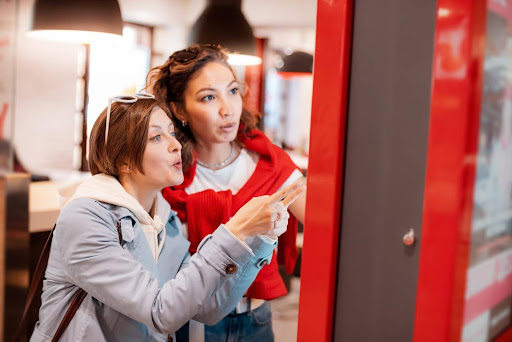
- Self-Service Kiosks: Portable terminals through which customers can view the menu, choose their meals, and pay on the same device.
- Tabletop Ordering Tablets: Tablets are placed at every table so customers can order independently, thus minimising contact with restaurant personnel.
- Mobile Ordering Solutions: Food orders are placed in advance through an application on the customer’s mobile device or a website with a mobile version.
Important Considerations
Take into account the following features while choosing a self-ordering system for restaurants:
1) User-Friendly Interface:
- Intuitive Design: The system should have an intuitive interface that is simple to use, even for inexperienced users.
- Clear Visuals: The ordering process can be improved with crisp menu item descriptions and excellent photos.
- Customisation Options: Customers should be able to add or remove components and indicate dietary restrictions from their orders using the system.
2) Robust Order Processing:
- Effective Order Processing: The system should effectively manage many orders to reduce wait times.
- Real-Time Order Tracking: Customers should be able to follow the progress of their meal orders with the system’s real-time order status updates.
- Integration with POS Systems: Smooth integration with current POS systems is essential for efficient operations and accurate data analysis.
3) Payment Flexibility:
- Multiple Payment Options: The payment system must include traditional and modern options, such as credit/debit cards, mobile payments, and digital wallets.
- Secure Transactions: Customer data must be safeguarded, and funds must be protected from fraudsters.
4) Data Analytics and Insights:
- Customer Behaviour Analysis: This data can include customer preferences, order frequency, and when customers order the most or least.
- Menu Optimisation: Analysing sales data can be beneficial for restaurants, allowing them to adjust the menu and determine what products are selling best.
- Marketing and Promotions: The system can be used to apply targeted marketing techniques in addition to promotion crusades.
5) Scalability and Customisation:
- Adaptability: The system should be expandable because businesses may evolve in the future, and it should enhance the organisation’s performance.
- Customisation Options: It should be possible to change the looks and feel of the system, branding, and the language of the software.
Challenges and Considerations When Implementing Self-Ordering Systems
- Initial Investment: The initial investment in a self-ordering system can be high, and this is very relevant for small and medium-sized restaurants. However, most vendors allow buyers to pay in instalments rather than lump sums to make it easier.
- Customer Adaptation: Other issues that could discourage the use of self-ordering systems include old people being discouraged from using them because of the use of technology to order foods. In response to this, most restaurants ensure that they have workers who help customers with the kiosks until they master them.
- Technical Glitches and Maintenance: Self-ordering systems tend to cause interruptions when they need software updates or their hardware needs to be checked. A vendor must have a good technical backup and be able to provide appropriate technical support.
- Accessibility Requirements: Customers with disabilities should be able to access the kiosks and adhere to legal obligations. Some include voice commands and variable screen heights for the benefit of everyone, especially disabled people.
Trends in Self-Ordering Technologies for Restaurants
The development of the technologies reflects the future development of self-ordering systems. Here are some trends to watch for:
- AI-Powered Personalisation: Following order and preferred type of dishes can be incorporated in future systems by virtue of artificial intelligence.
- Voice-Activated Ordering: Self-service is becoming more popular, and many kiosks have included voice recognition technology to make the process more convenient.
- Mobile and Cloud-Based Ordering: Cloud technology makes it possible for restaurants to monitor order from various branches online and at the same time for uniformity and efficiency.
- Contactless and Biometric Payment Options: As trends move towards no-contact payments, the self-ordering system will enable biometric payment to reduce the number of contacts.
Conclusion:
A self-ordering system becomes a significant plus for restaurants mainly because it enhances issues of accuracy, speed, and valuable data perceptions. When assessing the features and options of the different vendors and the customers, restaurant owners can find and install a self-ordering system that is best for them and their customers. Returning to Panera Bread’s case, it is possible to mention that these systems are as efficient as they can be if used properly, and the results can be unaffected by customer satisfaction, a better working process, and increased revenue.
Implementing self-ordering systems for restaurants is a new technology and a substantial step toward adapting to contemporary customers’ focused eating habits.