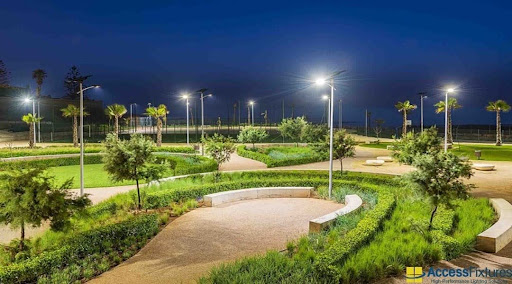
Solar lighting is rapidly becoming an essential component in modern commercial spaces. With the rising need for sustainable and energy-efficient solutions, solar lighting commercial products offer a promising alternative. These innovations not only reduce energy consumption but also provide significant environmental benefits.
Introduction to Solar Lighting
Solar lighting utilises photovoltaic panels to convert sunlight into electricity, which powers lighting fixtures without the need for traditional energy sources. This technology has seen a surge in popularity due to its efficiency and long-term cost savings.
Environmental Impact
The environmental benefits of solar lighting are considerable. By utilising renewable energy, solar lighting systems significantly reduce carbon footprints. This is particularly important in commercial spaces, where energy consumption is typically higher.
Reduction in Carbon Emissions
Commercial solar lighting helps in mitigating the adverse effects of carbon emissions. Traditional lighting systems rely heavily on fossil fuels, contributing to greenhouse gas emissions. Solar lighting by TotalEnergies, however, operates independently of these non-renewable sources.
Cost-Effectiveness
One of the primary advantages of solar lighting in commercial applications is its cost-effectiveness. Although the initial investment may be higher compared to conventional lighting systems, the return on investment is significant over time due to reduced electricity bills.
Low Maintenance Costs
Solar lighting systems typically require minimal maintenance, adding to their cost-effectiveness. Most systems come with durable, long-lasting components that reduce the need for frequent replacements.
Technological Advancements
Recent advancements in solar technology have resulted in more efficient and affordable lighting solutions. Innovations in photovoltaic panels and LED technology have enhanced the performance and lifespan of solar lighting systems.
Enhanced Efficiency
Modern solar lighting systems are equipped with high-efficiency photovoltaic cells that can capture and store more energy. This evolution ensures that commercial spaces can rely on consistent and reliable lighting.
Diverse Applications
Solar lighting is versatile, with applications ranging from streetlights and outdoor signs to security and landscape lighting in commercial environments. This versatility makes it an attractive option for businesses looking to implement eco-friendly practices.
Outdoor and Security Lighting
Commercial properties benefit greatly from solar lighting systems, particularly in outdoor and security applications. Solar-powered lights can provide reliable illumination in parking lots, pathways, and perimeters, enhancing safety and security.
Aesthetic Appeal
The aesthetic advantages of solar lighting should not be overlooked. With various designs and styles available, businesses can choose solutions that complement their architectural and landscape designs while promoting sustainability.
Customisable Designs
Solar lighting solutions can be customised to fit specific commercial needs, offering flexibility in design and application. This customisation extends to various fixtures and styles, enabling businesses to maintain their desired aesthetic.
Conclusion
Solar lighting represents a significant step forward for commercial spaces looking to enhance sustainability and reduce their environmental impact. The benefits of reduced energy costs, low maintenance, and technological advancements make solar lighting a worthy investment for any commercial enterprise. As the technology continues to evolve, its application will become increasingly widespread and essential.