

Kenya has long been one of Africa’s most celebrated safari destinations, and for good reason. The country offers a remarkable combination of diverse landscapes, well-established national parks, and an extraordinary abundance of wildlife. For many travelers, the ultimate goal of any African safari is spotting the Big Five: lion, elephant, leopard, Cape buffalo, and rhinoceros. If you are planning a safari in Kenya with Africa Safari Trips, understanding where to find each of these iconic animals and what to expect when you encounter them will help you get the most out of your experience.
The Lion: Africa’s Most Iconic Predator
No animal is more synonymous with the African safari than the lion. Kenya is home to some of the largest lion populations on the continent, particularly in the Maasai Mara National Reserve. Lions are social animals that live in groups called prides, making them relatively easier to spot than some of the other Big Five members. They are most active during the early morning and late afternoon hours, which is why game drives typically take place at these times of day.
In Kenya, lions can also be found in Amboseli National Park and Tsavo East and West, although sightings in these areas can be less frequent than in the Maasai Mara. Witnessing a pride of lions at rest in the golden grass of the savanna, or observing a hunt unfold at dusk, is an experience that stays with travelers long after they return home.
The Elephant: Gentle Giants of the Savanna
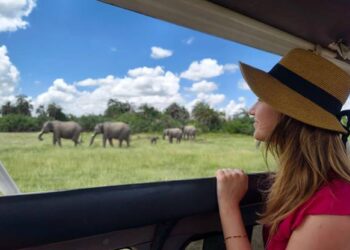
Kenya is one of the best countries in the world for elephant sightings. Amboseli National Park, situated at the foot of Mount Kilimanjaro, is particularly famous for its large elephant herds and offers some of the most photogenic wildlife encounters on the continent. The backdrop of Africa’s highest mountain combined with vast herds moving across the plains makes Amboseli a destination in its own right.
Elephants are highly intelligent and deeply social animals. Observing their interactions within a family group, watching calves play, or witnessing the gentle care between a mother and her young is a moving experience. Tsavo East is another excellent location for elephant sightings, home to some of the largest elephant populations in Kenya.
The Leopard: The Most Elusive of the Five
Of all the Big Five, the leopard is widely considered the most difficult to spot. These solitary and largely nocturnal cats are masters of concealment, spending much of their time hidden in dense vegetation or draped over the branches of acacia trees. A leopard sighting is therefore considered a special and somewhat rare privilege on any safari.
The Maasai Mara and Laikipia Plateau offer some of the best chances of encountering leopards in Kenya. Early morning game drives give you the highest probability of a sighting, as leopards tend to be more active just before and after sunrise. Patience and a sharp eye are essential, as these animals can be nearly invisible even when resting in plain sight.
The Cape Buffalo: Powerful and Unpredictable
The Cape buffalo is often underestimated by first-time safari visitors, yet it is considered one of the most dangerous animals in Africa. Unlike elephants or lions, buffalo give little warning before charging and are known for their unpredictable temperament. This combination of power and unpredictability is part of what earned them their place among the Big Five.
In Kenya, Cape buffalo are found in large numbers across the Maasai Mara, Tsavo, and Aberdare National Park. They are typically seen in large herds, sometimes numbering in the hundreds, moving together across open grasslands in search of water and grazing. Older males, known as dagga boys, often separate from the herd and are frequently spotted wallowing in mud near rivers and watering holes.
The Rhinoceros: Kenya’s Most Endangered Big Five Member
The rhinoceros is without doubt the most vulnerable of the Big Five. Decades of poaching have dramatically reduced rhino populations across Africa, making a sighting a genuinely rare and precious moment. Kenya has made significant conservation efforts to protect its remaining rhino populations, and the country is home to both black and white rhinos.
Ol Pejeta Conservancy in the Laikipia region is one of the best places in Kenya, and indeed in Africa, to see rhinos in a protected environment. The conservancy is also home to the last two northern white rhinos on earth. Lake Nakuru National Park is another reliable location for rhino sightings. Visiting these areas contributes directly to conservation initiatives that are working to secure the future of this endangered species.
The Best Parks in Kenya to Spot All Five
While individual parks excel for specific animals, a handful of locations in Kenya give you the best overall chance of encountering all five Big Five members in a single visit. The Maasai Mara is the most well-rounded option, offering strong populations of lions, elephants, leopards, and buffalo, along with occasional rhino sightings. Ol Pejeta Conservancy is the top choice for rhino encounters and also offers excellent sightings of the other four. Combining a stay in the Maasai Mara with a visit to Amboseli and Ol Pejeta gives you the highest probability of completing your Big Five checklist.
Tips for a Successful Big Five Safari in Kenya
Timing plays an important role in the quality of your safari experience. The dry seasons, from January to March and from July to October, are generally considered the best periods for wildlife viewing, as animals congregate around water sources and vegetation is less dense. The Great Migration, which passes through the Maasai Mara between July and October, adds an additional spectacle to an already exceptional wildlife destination.
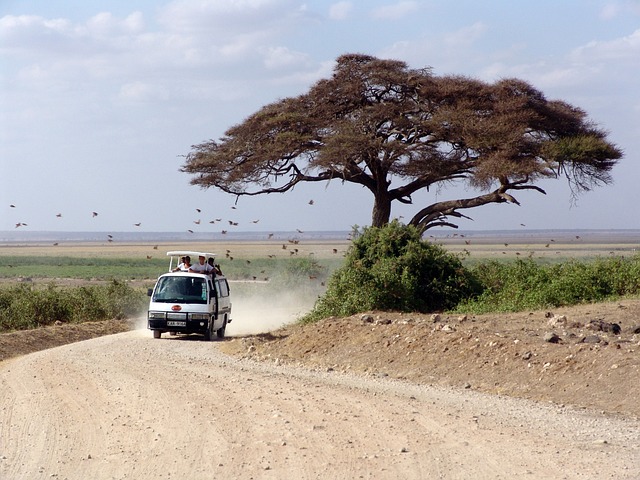
Choosing an experienced guide makes a significant difference. A knowledgeable guide will know the terrain, understand animal behavior, and be able to read subtle signs in the landscape that an untrained eye would miss entirely. Bringing a good pair of binoculars, wearing neutral-colored clothing, and maintaining patience are equally important. Wildlife does not operate on a schedule, and some of the most memorable moments on safari come when you least expect them.