


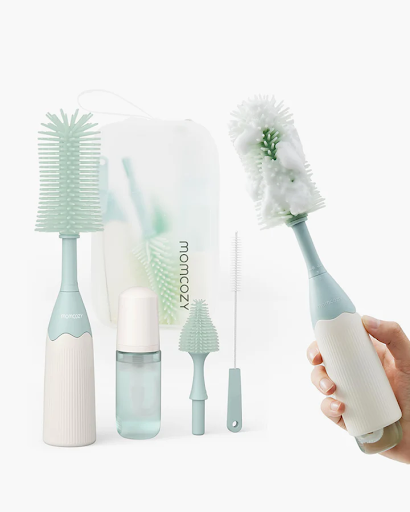
Every parent knows the nagging worry that comes with bottle feeding—is this bottle truly clean? Did I scrub every crevice thoroughly enough? The reality is that manual washing is not only time-consuming but often falls short of eliminating the microscopic bacteria and residue that can compromise your baby’s health. Between midnight feedings and endless diaper changes, spending twenty minutes hand-washing and air-drying bottles feels like a luxury most parents simply cannot afford. This is where bottle sterilizer cleaners step in as a game-changing solution for modern families. These devices combine washing, sterilizing, and drying into a single streamlined process, giving parents confidence that every bottle is genuinely safe for their little one. In this comprehensive guide, we’ll explore exactly what these devices are, the different types available, why germ-free bottles matter so much for infant health, and how to choose and use a bottle sterilizer cleaner effectively to save time without sacrificing safety.
What is a Bottle Sterilizer Cleaner and Why It’s Essential
A bottle sterilizer cleaner is an all-in-one device designed to wash, sterilize, and often dry baby bottles through an automated process. Think of it as an automatic bottle washer specifically engineered for infant feeding equipment—it handles the scrubbing, uses high-temperature steam or UV light to eliminate harmful microorganisms, and then dries everything so bottles are ready for immediate use. For parents of newborns, whose immune systems are still developing and highly vulnerable to infection, this level of hygiene isn’t optional—it’s critical. A baby bottle sterilizer removes the guesswork from manual cleaning, ensuring that every nipple thread, bottle base, and internal surface reaches the sanitation standards pediatricians recommend. Beyond health protection, these devices deliver remarkable convenience, consolidating what used to be a multi-step, labor-intensive chore into a single push-button operation that works while you tend to everything else on your plate.
The Importance of Germ-Free Bottles for Your Baby’s Health
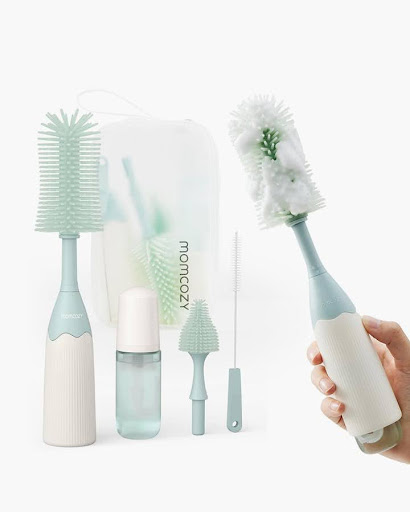
A baby’s immune system doesn’t fully mature until around two to three years of age, which means infants are disproportionately vulnerable to infections caused by bacteria lurking in improperly cleaned bottles. Common pathogens like E. coli, Salmonella, Staphylococcus aureus, and Cronobacter sakazakii can colonize milk residue left inside bottles, nipples, and rings—sometimes within just a few hours at room temperature. The consequences range from mild gastrointestinal distress to serious conditions requiring hospitalization. According to the World Health Organization, contaminated feeding equipment is a significant contributor to diarrheal diseases in infants, which remain one of the leading causes of infant mortality globally. Pediatricians consistently recommend sterilizing all feeding equipment at least once daily for babies under twelve months, and after every use for premature or immunocompromised infants. Achieving genuinely germ-free bottles through sterilization—rather than relying solely on soap and water—provides a verified kill step that eliminates up to 99.9% of harmful microorganisms, giving parents measurable assurance rather than hopeful assumptions about cleanliness.
How Sterilization Technology Works to Kill Germs
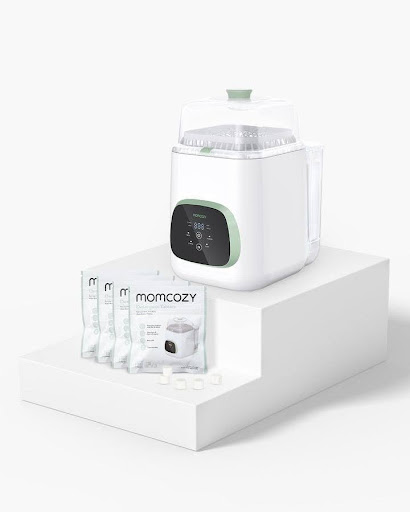
Modern bottle sterilizers employ one of two primary technologies to destroy pathogens: high-temperature steam or ultraviolet light. Steam sterilizers heat water to 100°C, producing steam that envelops every surface of the bottle and sustains contact long enough—typically five to ten minutes—to denature the proteins and rupture the cell membranes of bacteria, viruses, and fungi. This method is effective against heat-resistant organisms including bacterial spores when exposure time is sufficient. UV sterilizers take a different approach, using short-wavelength UV-C light at 254 nanometers to penetrate microbial DNA and RNA, causing irreversible damage that prevents reproduction. UV technology works without moisture, which means bottles emerge completely dry and free from waterborne mineral deposits. Both methods have been validated in clinical settings to eliminate common bottle contaminants like rotavirus, norovirus, and Candida species. The science is straightforward: by disrupting biological structures at the molecular level, sterilization achieves a level of decontamination that no amount of manual scrubbing can replicate, ensuring bottles are safe from invisible threats every single time.
Saving Time with Automatic Bottle Washers and Sterilizers
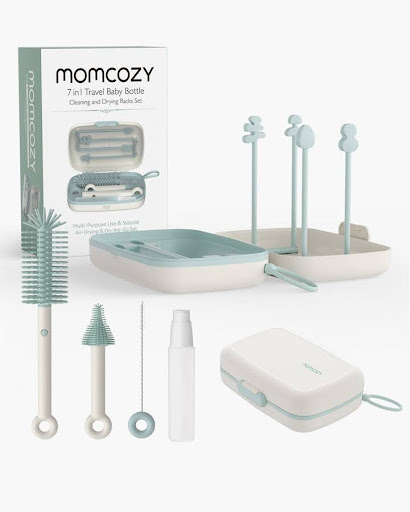
For most parents, the math is brutal: a newborn uses between eight and twelve bottles daily, and hand-washing each one—disassembling, scrubbing, rinsing, sanitizing, and drying—takes roughly five minutes per bottle. That adds up to an hour or more every single day spent standing at the sink, time that sleep-deprived parents desperately need for rest, bonding, or simply keeping the household running. An automatic bottle washer transforms this equation entirely. These devices accept multiple bottles at once, typically six to eight per cycle, and complete the entire wash-and-sterilize process in under thirty minutes with no hands-on involvement beyond loading and unloading. The practical impact is enormous: instead of washing bottles in small batches throughout the day, parents can consolidate everything into one or two automated cycles, reclaiming significant chunks of time. Many parents report that the freed-up minutes translate directly into an extra nap, a meal eaten with both hands, or uninterrupted playtime with their baby. The mental load lightens too—there’s no more second-guessing whether you scrubbed thoroughly enough or worrying about bottles air-drying in a dusty kitchen. The machine handles precision so you can handle parenting.
Real-Life Scenarios: Managing Multiple Bottles Efficiently
Consider a typical weekday morning: you’ve used four bottles overnight and three more are waiting from yesterday evening’s cluster feeding. Without an automatic washer, you’d face a sink full of sticky bottles competing with breakfast preparation and getting an older sibling ready for daycare. With an automatic bottle washer, you simply load all seven bottles before your morning coffee, press start, and by the time everyone is dressed, clean sterilized bottles are waiting. Parents of twins or multiples find the capacity especially critical—going through sixteen or more bottles daily makes manual washing physically unsustainable. Quick-cycle modes available on many devices finish in as little as fifteen minutes for lightly soiled bottles, perfect for midday turnarounds when you need a clean bottle immediately. Weekend batch processing is another popular strategy: some parents accumulate the day’s bottles and run a single comprehensive cycle each evening, waking up to a full rack of ready-to-use bottles. These flexible approaches mean the device adapts to your family’s rhythm rather than forcing you into a rigid cleaning schedule.
Types of Baby Bottle Sterilizers and Cleaners Explained
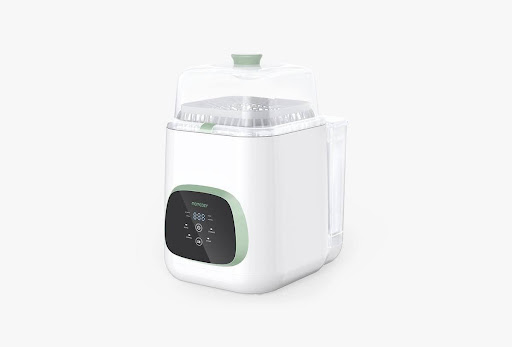
The market offers several distinct categories of bottle sterilizer cleaners, each with unique advantages depending on your lifestyle and priorities. Electric steam sterilizers remain the most popular choice, using heated water vapor to sanitize bottles quickly and affordably. UV sterilizers represent the newer generation, employing ultraviolet light for chemical-free, dry sterilization that doubles as storage. Hybrid models combine washing, sterilizing, and drying into a single appliance—essentially functioning as a complete automatic bottle washer that handles every stage without intervention. Brands like Momcozy have developed integrated solutions in this space that cater specifically to the needs of busy parents managing multiple daily feedings. Some parents opt for microwave steam bags for travel or as a backup, though these lack the capacity and automation of countertop units. When comparing options, consider speed (steam cycles run faster but require cooldown), energy consumption (UV units typically draw less power), and bottle compatibility (wide-neck versus standard bottles may fit differently across brands). The right choice ultimately depends on how many bottles you process daily, your available counter space, and whether integrated drying matters for your routine.
Electric Steam Sterilizers: Pros and Cons
Electric steam sterilizers work by heating a measured amount of water in a reservoir until it produces sustained steam at 100°C, which circulates through a chamber holding your bottles for a set duration. Their greatest strength is proven effectiveness—steam penetration reaches complex geometries like nipple holes and threaded rings that other methods might miss. Most models accommodate six to eight bottles per cycle and complete sterilization in five to twelve minutes, making them among the fastest options available. They’re also straightforward to operate, typically requiring only water and a single button press. However, steam sterilizers come with trade-offs. Bottles emerge hot and wet, requiring either a built-in drying phase or manual air-drying that reintroduces potential contamination. Hard water areas present another challenge: mineral scale builds up inside the unit over time, demanding regular descaling with citric acid or vinegar. The moisture environment also means that if you don’t use sterilized bottles within a few hours, you’ll need to run the cycle again. Despite these considerations, electric steam sterilizers remain a reliable workhorse for families who prioritize speed and thoroughness at a reasonable cost.
UV Sterilizers and Bottle Dryers: Modern Alternatives
UV sterilizers appeal to parents seeking a completely dry sterilization process that eliminates the moisture-related drawbacks of steam. These units expose bottles to UV-C light, which destroys microbial DNA without generating heat or water residue—bottles come out at room temperature and bone-dry, ready for immediate use or extended storage inside the unit itself. Many UV sterilizers double as enclosed storage cabinets, running periodic short cycles to maintain sterility for up to twenty-four hours. This dual function means you don’t need a separate drying rack or worry about airborne contaminants settling on clean bottles. Dedicated bottle dryers complement any sterilization method by circulating filtered warm air through bottles after washing or steaming, preventing the damp conditions where mold and mildew thrive. Some advanced units integrate UV sterilization with HEPA-filtered drying in a single chamber, offering the most comprehensive protection against recontamination. The primary consideration with UV technology is ensuring complete light coverage—bottles must be positioned so no surface remains shadowed, and the bulbs require periodic replacement to maintain germicidal intensity. For parents who value convenience and storage integration, UV sterilizers with built-in drying represent the most hands-off approach to maintaining germ-free bottles around the clock.
Key Features to Look for in a Bottle Sterilizer Cleaner
Choosing the right bottle sterilizer cleaner means matching the device’s capabilities to your family’s specific demands. Capacity tops the list—if you’re processing eight or more bottles daily, look for units that hold at least six bottles per cycle to minimize how often you run it. Ease of use matters enormously when you’re operating on minimal sleep: intuitive controls, clear indicators, and simple loading mechanisms prevent frustration during bleary-eyed 3 a.m. sessions. Safety certifications from recognized bodies confirm the device meets electrical and material safety standards, ensuring no harmful chemicals leach during high-heat cycles. A built-in drying function eliminates the need for a separate bottle dryer and reduces recontamination risk from open-air drying. Consider compatibility too—some sterilizers accommodate only standard-neck bottles while others adjust for wide-neck designs, breast pump parts, and pacifiers. Auto shut-off and timer functions add reliability, letting you walk away without worry. Finally, look for units with accessible parts that disassemble easily for descaling and maintenance, because a sterilizer that’s difficult to clean itself quickly becomes counterproductive.
Step-by-Step Guide to Using Your Bottle Sterilizer Cleaner Effectively
Owning a bottle sterilizer cleaner is one thing—using it correctly to achieve consistently germ-free results is another. Many parents unknowingly undermine their device’s effectiveness through small errors in preparation, loading, or post-cycle handling. Following a deliberate process each time ensures that sterilization actually delivers on its promise rather than providing false confidence. The good news is that once you establish a routine, the entire workflow becomes second nature and takes minimal active effort.
Preparation and Loading Best Practices
Before anything enters your sterilizer, every bottle must be fully disassembled—separate the nipple, collar ring, anti-colic valve, and bottle body. Milk proteins and fats cling to threaded areas and valve crevices, and sterilization cannot penetrate dried-on residue effectively. Give each component a quick rinse under warm running water immediately after feeding to prevent buildup, then wash with a bottle-specific brush and mild dish soap before loading. When arranging items inside the sterilizer, position bottles upside down so steam or UV light reaches internal surfaces completely. Avoid nesting smaller parts inside bottles where they might block circulation. Place nipples and small components in designated baskets or racks rather than letting them rest against larger items that could create shadows or steam-blocking contact points. Ensure nothing touches the heating element or UV bulbs directly. Check your device’s manual for maximum load recommendations—overcrowding restricts steam flow or light exposure and compromises the entire cycle’s effectiveness.
The Sterilization Cycle: What to Expect
Once loaded, add the manufacturer-specified amount of water for steam units or simply close the lid for UV models and select your cycle. Standard steam cycles run between five and twelve minutes of active sterilization after a brief heat-up period, while UV cycles typically last six to fifteen minutes depending on intensity settings. Most devices feature indicator lights that show when the unit is heating, actively sterilizing, and complete. Do not open the lid mid-cycle—interrupting the process resets the sterilization clock and exposes contents to unfiltered air. You’ll hear steam venting on steam models, which is normal. If your unit includes an integrated drying phase, it will transition automatically, adding fifteen to forty-five minutes of warm filtered air circulation. Wait for the complete cycle indicator before opening. Some devices beep upon completion while others display a steady green light. If your sterilizer lacks a drying function, proceed promptly to the next step to minimize exposure time.
Post-Sterilization: Storage and Keeping Bottles Germ-Free
How you handle bottles after sterilization determines whether they remain safe or become recontaminated before the next feeding. Always wash your hands thoroughly before removing items from the unit. If bottles are still wet from a steam cycle and your device lacks a dryer, use a dedicated bottle dryer with filtered airflow rather than a kitchen towel, which harbors bacteria regardless of how clean it appears. Reassemble bottles completely once dry—sealed units resist airborne contamination far better than open components sitting on a rack. Store assembled bottles in a clean, enclosed space such as the sterilizer cabinet itself, a sealed container, or a covered drying rack designed for baby items. Most sterilized bottles remain safe for use within twenty-four hours if stored properly with lids on. Beyond that window, re-sterilize before use. Avoid common mistakes like touching the inside of nipples, placing sterilized bottles near cooking surfaces where grease particles circulate, or leaving the sterilizer lid open after the cycle completes. Consistent post-cycle discipline is what transforms a good sterilizer into a genuinely reliable hygiene system for your family.
Protecting Your Baby’s Health with Smart Sterilization Habits
A bottle sterilizer cleaner is more than a convenience gadget—it’s a practical investment in your baby’s health and your own sanity as a parent. By delivering genuinely germ-free bottles through proven steam or UV technology, these devices eliminate the invisible threats that manual washing simply cannot address, protecting your infant during the most immunologically vulnerable period of their life. Equally important, they reclaim precious hours each week that you can redirect toward rest, bonding, or managing the countless other demands of early parenthood. When selecting your device, let your daily bottle volume, available space, and preferred workflow guide the decision rather than chasing features you won’t use. Whether you choose a high-capacity electric steam sterilizer for speed or a UV model that doubles as sterile storage, the key is consistent use paired with proper loading and post-cycle handling. Modern parenting doesn’t require perfection—it requires smart tools that carry part of the load so you can focus on what matters most: being present for your growing child.