


Starting a construction business can be exciting, but knowing which sectors offer strong opportunities is key. The construction industry is diverse, spanning everything from specialized contracting to equipment rental. Choosing the right niche depends on market demand, startup costs, and your skills or interests. By understanding trends and opportunities, new business owners can focus on areas with steady growth and profitability. Whether you’re interested in residential projects, infrastructure work, or supporting other contractors, selecting a niche that aligns with your goals will increase your chances of success and make day-to-day operations more rewarding.
Water and Sewer Line Construction
Infrastructure projects provide steady work, especially in public utilities. Water and sewer line construction is a niche that continues to see consistent demand due to maintenance, repairs, and city expansions. In the U.S., there are 17,005 businesses dedicated to this sector, according to IBISWorld. Starting a business in this area requires knowledge of local regulations, permits, and safety standards. While the initial investment may include specialized equipment, the ongoing need for these services ensures recurring projects. New owners who build strong relationships with municipalities or property developers can create a reliable client base and enjoy predictable revenue streams.
Heating and Air Conditioning Contractors
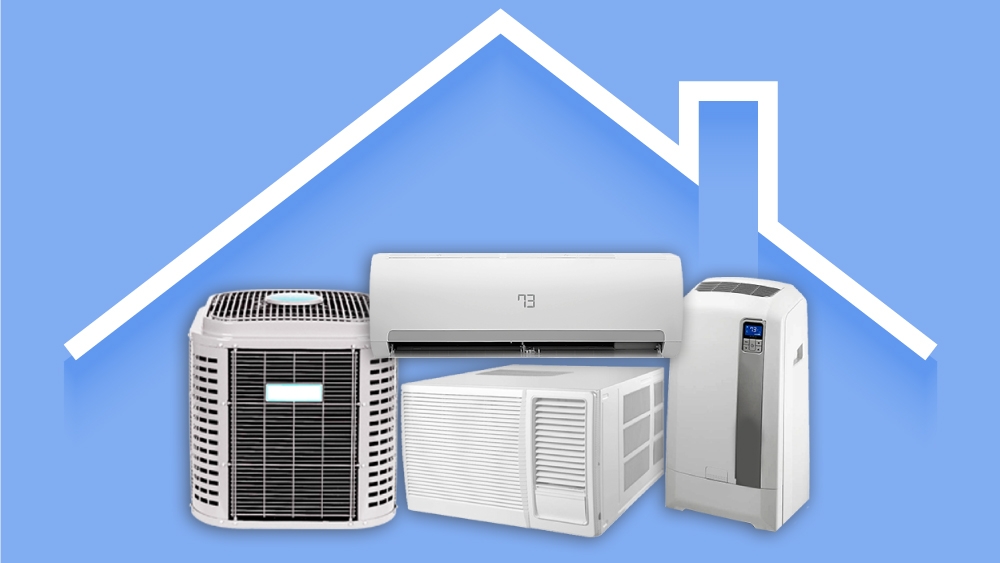
Residential and commercial HVAC services remain a lucrative area within construction. From installing new systems to maintaining and repairing existing ones, HVAC contractors are essential in every community. According to IBISWorld, there are 114,157 heating and air conditioning contractor businesses in the U.S. as of 2024. Entering this market may involve acquiring certifications and licenses, but it also allows flexibility in scaling operations. Small businesses can start with a limited team and gradually expand. High demand during seasonal peaks and ongoing maintenance contracts make HVAC a solid choice for entrepreneurs seeking both stability and growth opportunities.
Heavy Equipment Rental
Another interesting avenue is heavy equipment rental. Many construction companies prefer to rent machinery instead of purchasing, especially for short-term or specialized projects. The U.S. heavy equipment rental industry includes 16,797 businesses, according to IBISWorld. Starting a rental business involves managing a fleet of machinery, maintaining equipment, and understanding market demand. While upfront costs can be significant, rental businesses benefit from repeat clients and long-term contracts. This niche is ideal for entrepreneurs who want to support other contractors without directly managing construction projects themselves. It also allows for growth into new equipment types or additional services.
Specialty Contracting
Beyond the major sectors, specialty contracting offers opportunities for skilled tradespeople. Roofing, electrical work, plumbing, and painting businesses often require lower startup costs compared to large-scale construction projects. Focusing on a specific skill set allows owners to build a strong reputation and client base more quickly. The key is to identify gaps in your local market, provide high-quality service, and ensure timely delivery. Combining specialties with other services, such as renovation packages or maintenance contracts, can further enhance profitability and customer loyalty.
Considerations for New Owners
Before choosing a niche, consider factors like startup costs, labor requirements, licensing, and insurance. Some areas, like water and sewer lines or heavy equipment rental, may require significant capital, while specialty contracting or HVAC work may be easier to start with a small team. Understanding the competitive landscape, researching local demand, and networking with suppliers or other contractors can also help. Planning ensures that your business can meet client expectations, manage operational costs, and scale efficiently over time. A thoughtful approach increases the likelihood of building a sustainable and successful construction company.
Starting a construction business can be both rewarding and challenging, but careful planning makes all the difference. Choosing the right niche, understanding your local market, and building a skilled team are key steps to long-term success. Prioritizing quality work, excellent customer service, and efficient operations helps new businesses stand out in a competitive industry.