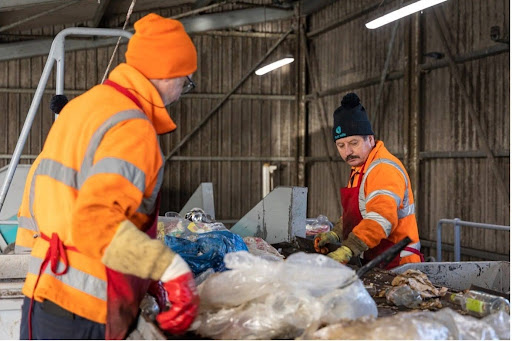
The concept of end of waste classification represents a significant development in the management of waste materials. This classification aims to determine when a certain waste ceases to be considered as such, provided it meets particular criteria and can be utilised as a resource. This approach not only reduces the burden on landfills but also promotes the recycling and repurposing of materials, aligning with environmental sustainability goals.
What is End of Waste Classification?
The end-of-waste criteria are the rules according to which it is assessed whether a waste has been sufficiently recovered to cease to be waste. Such classifications can be used to identify materials that may be re-introduced into the economy under the umbrella of a resource efficiency approach. It is essential in creating a circular economy as it allows the recycling of materials that would have otherwise been dumped.
Criteria for End of Waste
End of waste criteria usually include criteria for quality, safety and market acceptance of the new end of waste product. In addition, it must be safe for the environment and health of human beings and have a realistic user or market in the potential of new product. These conditions protect from inherent risk when reclaimed products are introduced to ecosystems or communities.
The Benefits of End of Waste Classification
Adopting end of waste protocols can provide a win-win solution for all parties involved. This reduces the environmental impact of producing and consuming goods, by using materials that have been recycled. It also has the effect of reducing the amount of waste to be disposed of, which can ease the burden on waste treatment facilities and final disposal sites. Promoting Sustainable Practices
Promoting Sustainable Practices
By considering some wastes to be new products, end of waste schemes will incentivize companies to produce in a more sustainable way. These procedures include recycling materials, greener processes. This in turn means less emissions and a reduced carbon footprint.
Challenges Faced by End of Waste Classification
End of waste rules are not without problems despite the benefits. Deciding when a waste is no longer a waste requires stringent assessments and meeting rigid conditions. This procedure may be costly and slow.
Regulatory and Market Challenges
One of the major issues to be resolved is how to harmonise regulations globally. Various regions are likely to have different standards and requirements, making application of end of waste classifications difficult. Also, market acceptability is important, since the regenerated commodity must have an economically viable market.
Case Studies of End of Waste Implementation
There are several good practice examples that demonstrate the successful application of the end of waste criteria. For example, some waste products of industrial processes in the building industry (gypsum) have been reclassified and can be used as raw materials for the production of new building materials. The effectiveness of these programs depends on strong industry and government involvement.
Global Perspectives on End of Waste
Different countries have taken different positions towards the definition of “end of waste”. For example, a robust legal framework has been developed in Europe for guiding such classification in a manner that leads to deliverance of environmental and economic sustainability. These types of international examples may provide guidance and insight for other areas that would like to follow such pathways.
The Future of End of Waste Classification
The prospects in end of waste classification are bright and may lead to reshape resource management and waste prevention. The growing awareness and technology developments will allow the processes to get easier and faster, which will also enable companies to take advantage of them. This type of progress will help lead to a more sustainable and resource-efficient world.
Conclusion
End of waste classification stands as a pivotal component in advancing sustainable waste management practices. By recognising the value in what was once considered waste, this approach fosters a circular economy and presents opportunities for industries to adopt innovative and eco-friendly methods. As the world places a greater emphasis on sustainability, the adoption and refinement of end of waste classifications will be crucial for the future of waste management.