


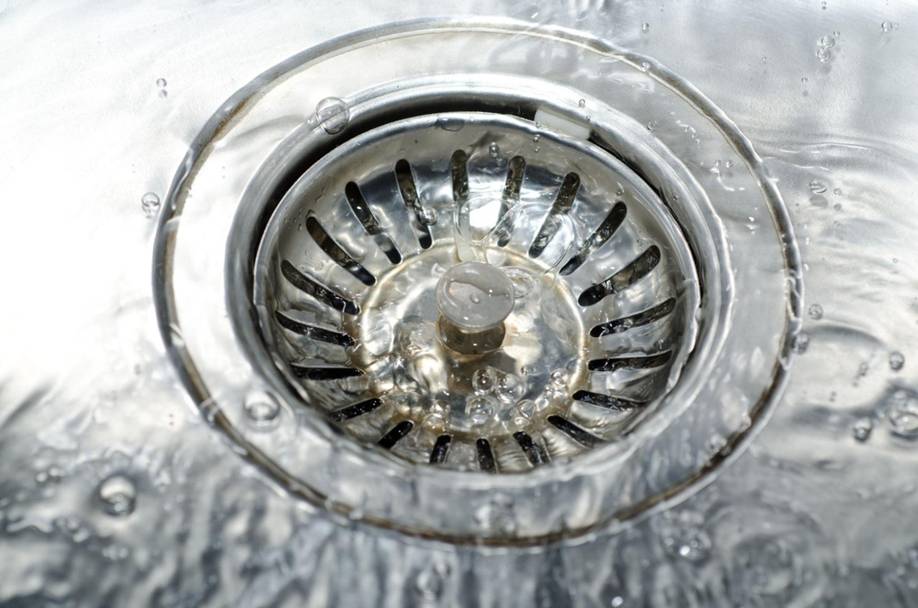
Unpleasant smells coming from drains are a common problem in homes across the UK, including situations linked to blocked drains Portsmouth, and they affect properties of all ages and construction types. Whether the odour is noticed in a kitchen sink, bathroom basin, shower or floor drain, it is often one of the first signs that something is not functioning correctly within the drainage system. Because drainage pipework is largely hidden from view, smells are frequently the only early warning homeowners receive before a more serious issue develops.
Drain odours should never be dismissed as a minor inconvenience. While the smell itself may seem harmless, it is usually caused by organic waste breaking down inside the pipework or by gases escaping from the drainage system. These conditions indicate that waste is not being carried away efficiently or that protective barriers within the system, such as water traps or ventilation, are no longer working as intended. Left unaddressed, the factors creating unpleasant smells can quickly lead to recurring blockages, slow drainage and, in some cases, internal pipe damage.
It is important to distinguish between temporary smells and those that point to deeper drainage problems. A brief odour may occur after heavy use of a sink or shower, or when a drain has not been used for some time and the water in the trap has partially evaporated. These situations are usually easy to resolve. Persistent or recurring smells, however, are a different matter. When odours continue despite basic cleaning or return shortly after treatment, this often indicates a build-up of waste along pipe walls, restricted flow, or faults within the drainage system itself.
In many cases, ongoing drain smells are a symptom rather than the root cause. They suggest underlying drainage issues that cannot be resolved with surface cleaning or household remedies alone. This is where experienced drainage specialists such as DrainBoss add value, focusing on identifying hidden problems within pipework and addressing them properly rather than masking the smell. Professional assessment makes it possible to remove contamination effectively, correct underlying faults and prevent the problem from returning.
Understanding Where Drain Smells Come From
Modern domestic drainage systems in the UK are designed specifically to prevent unpleasant odours from entering living spaces. Under normal conditions, wastewater is carried away quickly and efficiently, while physical barriers within the system stop foul air and sewer gases from travelling back up through sinks, showers and other outlets. When all components are working as intended, the drainage system remains sealed, hygienic and largely unnoticed by the occupants of the property.
Several key design features work together to control odours. Water traps, often referred to as U-bends or P-traps, hold a small volume of water that forms a seal between the drain and the wider sewer network. This water barrier prevents gases produced within the drainage system from rising back into the property. Ventilation also plays a critical role. Vent pipes allow air to circulate within the system, balancing pressure and ensuring that wastewater flows smoothly without siphoning water from traps. Correct pipe gradients ensure that waste and water move through the system at the right speed, preventing stagnation and residue build-up.
When any part of this system is compromised, smells can begin to escape. This may happen gradually and without obvious warning, making odours one of the first noticeable symptoms. Drain smells typically occur when one or more of the following conditions develop:
- Water traps dry out, leak or are incorrectly installed, allowing sewer gases to pass through
- Ventilation becomes restricted, creating pressure imbalances that pull water out of traps
- Pipe gradients are insufficient, causing waste to settle and decompose inside the pipework
- Internal build-up narrows the pipe diameter, slowing flow and encouraging bacterial growth
Once these protective mechanisms fail, odours are no longer contained within the drainage system. Instead, they are released into the property, often becoming stronger over time as contamination increases. Understanding how these systems are meant to function is essential for recognising why persistent smells are rarely a surface-level issue and why effective solutions must address the underlying cause rather than just the symptom.
Common Causes of Bad Smells from Drains
Bad smells from drains rarely have a single cause. In most cases, odours develop as a result of gradual changes inside the pipework, often hidden from view. Understanding the most common sources of these smells helps explain why they can be difficult to eliminate without addressing the underlying issue.
Organic Waste Build-Up
Everyday use of sinks, showers and basins introduces small amounts of organic matter into the drainage system. Food debris from kitchen sinks, combined with soap residue from washing-up liquid, shampoos and body washes, sticks to the internal walls of pipes. Over time, this residue forms a biofilm, a sticky layer that traps further waste and creates ideal conditions for bacteria to thrive.
As organic material breaks down inside the pipework, decomposition releases unpleasant gases. Even minimal amounts of trapped waste can generate strong odours because the process occurs continuously in a warm, damp environment. The smell often becomes noticeable long before a full blockage forms.
Fats, Oils and Grease Accumulation
Fats, oils and grease behave very differently inside drains than they do when hot and liquid. Once they cool, they solidify and cling to pipe walls, gradually building up layer by layer. This restricts flow and creates pockets where food particles and bacteria collect.
Grease-related smells often worsen in colder weather, as lower temperatures cause fats to harden more quickly and reduce the effectiveness of natural flushing. Over time, grease build-up significantly reduces the internal diameter of pipes, increasing the likelihood of slow drainage, recurring odours and eventual blockages.
Hair and Bathroom Waste
Bathroom drains are particularly prone to odours because of the materials they handle daily. Hair easily binds with soap scum, toothpaste, shaving foam and cosmetic residues, forming dense masses inside the pipework. These accumulations trap moisture and organic matter, leading to stagnant conditions.
Because bathroom waste tends to break down more slowly than kitchen waste, smells can develop even when drainage still appears to be working. This is why bathroom drains often produce persistent, musty or sour odours sooner than expected.
Dry or Faulty Traps
Water traps are essential for preventing sewer gases from entering a property. When a trap dries out, leaks or is poorly installed, the water seal is lost and gases can pass freely into the room.
This problem is common in infrequently used sinks, showers, utility rooms and floor drains. Without regular use, water in the trap can evaporate, allowing unpleasant smells to rise directly from the drainage system. Maintaining an intact water seal is critical for odour prevention.
Partial Blockages and Poor Flow
Not all drainage issues involve a complete blockage. Partial blockages restrict flow without stopping it entirely, allowing water to drain away slowly. This reduced flow encourages waste to settle and stagnate inside the pipework.
Slow-moving wastewater creates anaerobic conditions, where bacteria produce particularly strong-smelling gases. These odours often intensify over time and are a clear sign that the drain is not functioning efficiently, even if it is not fully blocked.
Structural or Installation Issues
In some cases, drain smells are not caused by waste build-up alone but by defects within the drainage system itself. Misaligned joints, cracked pipes or incorrect gradients can prevent proper flow and allow waste to accumulate in unintended areas.
Older properties and systems that combine original clay pipes with newer plastic sections are especially vulnerable. Movement in the ground, ageing materials and poor historic installation practices can all contribute to ongoing odour problems. When smells persist despite cleaning, this often points to structural defects rather than surface contamination.
Common Causes of Drain Smells and Their Effects
| Cause | What Happens Inside the Drain | Typical Result |
|---|---|---|
| Organic waste build-up | Biofilm traps food and soap residue | Rotting smells and bacterial odours |
| Fats, oils and grease | Grease hardens and narrows pipes | Strong smells, slow drainage |
| Hair and bathroom waste | Hair binds with soap and toothpaste | Stagnant, musty odours |
| Dry or faulty traps | Water seal is lost | Sewer gases enter the property |
| Partial blockages | Restricted flow and stagnation | Persistent, worsening smells |
| Structural defects | Poor alignment or damage disrupts flow | Odours that return after cleaning |
This combination of factors explains why bad drain smells often worsen over time and why effective solutions depend on identifying the true cause rather than treating the symptom alone.
Why DIY Solutions Often Only Mask the Problem
When unpleasant smells first appear, many homeowners turn to DIY solutions in the hope of a quick and inexpensive fix. While household remedies can sometimes reduce odours temporarily, they rarely address the root cause of the problem. As a result, smells often return, sometimes stronger than before, creating the impression that the issue is persistent or difficult to resolve.
Most domestic remedies work only on the surface of the drainage system. Boiling water, vinegar or baking soda may help flush away loose debris near the plughole, but they cannot remove hardened build-up further along the pipework. These methods do little to break down grease deposits, biofilm or compacted waste that has adhered to the internal walls of the drain over time.
Chemical drain cleaners are often seen as a more powerful option, but they also have significant limitations. While they may dissolve a small channel through soft blockages, they rarely clean the full internal circumference of the pipe. This leaves residue behind, allowing bacteria to continue thriving. In addition, repeated use of harsh chemicals can damage pipe materials, particularly in older systems, and may accelerate corrosion or joint failure.
The main reasons DIY approaches fail to provide a lasting solution include:
- Household treatments only affect the immediate area near the drain opening
- Chemical cleaners do not remove biofilm or hardened grease along pipe walls
- Partial clearing leaves contamination behind, allowing odours to return
- Repeated treatments can damage pipework without improving long-term flow
When the internal surfaces of pipes remain contaminated, smells are almost inevitable. Even if water appears to drain away, lingering residue continues to decompose and release odours. This is why recurring smells are a strong indication that deeper cleaning or professional intervention is required to restore the drainage system to proper working condition.
Effective Ways to Eliminate Drain Smells
Eliminating bad smells from drains requires an approach that matches the severity and cause of the problem. While minor issues can sometimes be resolved with simple checks, persistent odours usually require professional cleaning or investigation to ensure the problem does not return.
Initial Homeowner Checks
Before assuming a serious fault, there are a few basic checks that can help identify obvious or temporary causes. Visual inspection around sinks, basins and traps may reveal leaks, dry traps or visible build-up close to the plughole. Running water through the drain and observing how quickly it clears can also indicate whether flow is restricted.
Basic cleaning may be sufficient when smells are caused by light surface contamination or infrequent use. For example, flushing unused drains to refill traps, cleaning accessible fittings, or removing visible debris can sometimes resolve mild odours. However, if smells return quickly or drainage remains slow, this suggests the issue lies deeper within the system.
Professional Drain Cleaning
When odours persist, professional drain cleaning is often the most effective solution. High-pressure water jetting is particularly effective at removing odour-causing residue because it cleans the entire internal surface of the pipe rather than just creating a passage through a blockage. Powerful water jets break down grease, biofilm and compacted waste and flush it completely out of the system.
There is an important difference between clearing a blockage and fully cleaning a drain. Mechanical methods or DIY solutions may restore flow temporarily, but they often leave residue attached to pipe walls. Full-bore cleaning removes this contamination entirely, reducing the conditions that allow bacteria and smells to develop. This comprehensive cleaning is essential for achieving long-term results rather than short-lived relief.
Drain Inspections and Diagnostics
In cases where smells continue despite thorough cleaning, diagnostic inspections become necessary. CCTV drain surveys allow specialists to see inside the pipework and identify issues that cannot be detected from the surface. These inspections can reveal trapped debris, areas of recurring build-up, poor gradients and ventilation faults that contribute to odour problems.
Drain inspections are also crucial for detecting structural issues such as cracked pipes, displaced joints or collapsed sections. By accurately identifying the cause of the smell, targeted repairs or cleaning can be carried out, ensuring the drainage system functions correctly and unpleasant odours are eliminated at their source rather than repeatedly treated.
Preventing Bad Drain Smells in the Future
Preventing unpleasant drain smells is far more effective than dealing with them after they develop. Most odour problems are the result of gradual build-up and reduced flow, both of which can be avoided through simple daily habits and proactive care. Small changes in how drainage systems are used can significantly extend their lifespan and reduce the risk of recurring smells.
Everyday practices play an important role in protecting drains from contamination. Being mindful of what enters the drainage system helps prevent the accumulation of waste that leads to odours. Effective preventative habits include:
- Avoiding pouring fats, oils and grease down sinks, even in small quantities
- Using strainers in kitchen and bathroom drains to catch food particles and hair
- Running hot water through sinks regularly to help flush away light residue
- Ensuring infrequently used drains are run periodically to maintain water seals
- Cleaning accessible fittings, such as plugholes and overflows, before build-up hardens
Regular maintenance is also critical. Reactive repairs, where action is only taken once a smell or blockage becomes severe, often lead to repeated problems and higher costs over time. Routine drain cleaning removes early-stage build-up before it restricts flow or begins to decompose. This approach keeps pipe walls clean and reduces the conditions that allow bacteria to thrive.
Preventative cleaning significantly reduces the likelihood of emergency call-outs. When drains are maintained properly, issues are identified and resolved before they escalate into blockages, flooding or persistent odours. By investing in ongoing care rather than waiting for visible symptoms, homeowners can maintain reliable, odour-free drainage systems and avoid the disruption associated with urgent repairs.
When to Seek Professional Help
While minor and infrequent drain smells can sometimes be resolved with basic checks or cleaning, there are clear situations where professional help should be sought. Persistent odours are often a warning sign that the drainage system is not functioning correctly and that the issue extends beyond surface-level contamination.
Certain symptoms strongly indicate a deeper drainage problem that requires specialist attention. These warning signs include:
- Smells that return shortly after cleaning or treatment
- Persistent odours affecting multiple drains within the property
- Slow drainage accompanied by gurgling sounds or air movement
- Unpleasant smells coming from floor drains or external inspection chambers
- Drain odours that worsen over time rather than improving
Recurring smells should never be ignored, as they often point to ongoing waste build-up, restricted flow or defects within the pipework. Left untreated, these issues can progress into more serious problems such as repeated blockages, internal pipe damage or wastewater backing up into the property. What begins as an unpleasant smell can quickly develop into a costly and disruptive drainage failure.
Using drainage specialists rather than relying on general or temporary fixes is essential for resolving these issues properly. Specialist drainage professionals have the equipment and expertise to clean pipework thoroughly, inspect internal conditions and identify faults that cannot be seen from the surface. This targeted approach ensures that the underlying cause of the smell is addressed, reducing the risk of recurrence and protecting the long-term performance of the drainage system.
Professional Drainage Support
When unpleasant drain smells persist despite basic maintenance, professional drainage support becomes essential. Specialist drainage companies focus exclusively on diagnosing and resolving issues within pipework, using methods designed to address the root cause rather than providing short-term relief. Their role is not simply to remove an immediate problem, but to restore the drainage system to proper working condition and reduce the risk of recurrence.
Experienced providers such as DrainBoss concentrate on services that deliver lasting results. Rather than relying on temporary measures, specialist drainage support typically includes:
- Thorough drain cleaning to remove grease, biofilm and compacted waste from pipe walls
- High-pressure water jetting to restore full internal flow capacity
- CCTV drain inspections to identify hidden defects, trapped debris and flow restrictions
- Accurate diagnosis of structural or installation-related faults
- Long-term maintenance strategies to prevent repeat issues and emergency call-outs
This professional approach ensures that odour problems are dealt with at their source. By combining effective cleaning with detailed inspection, drainage specialists are able to resolve persistent smells, protect pipework and provide solutions that extend beyond short-term fixes.
Conclusion
Bad smells from drains develop when waste accumulates inside pipework, water flow becomes restricted or key components such as traps and ventilation stop working correctly. These issues are commonly associated with problems such as blocked drains Tunbridge Wells, where organic debris, grease, hair and even structural faults combine to create conditions that allow bacteria to thrive and unpleasant gases to escape. Although smells may appear suddenly, the underlying causes usually form gradually and remain hidden, which is why surface-level cleaning rarely provides a lasting solution.
Addressing the root cause is essential for preventing recurring odours and protecting the drainage system over time. This requires a combination of sensible daily habits, accurate diagnosis and professional drainage care when needed. Experienced drainage specialists such as DrainBoss focus on thorough cleaning, detailed inspection and long-term solutions rather than temporary fixes. By prioritising prevention and correct treatment, drainage systems can remain efficient, hygienic and free from persistent odours.