

What is Cryptocurrency?
Cryptocurrency, often shortened to “crypto,” is a form of digital or virtual currency that uses cryptography for security. Unlike traditional currencies issued by governments (like the U.S. Dollar or the Euro), cryptocurrencies are typically decentralized. This means they are not controlled by any single entity, such as a bank or government. Instead, they operate on a distributed network of computers, making them transparent and resistant to censorship. The technology that underpins most cryptocurrencies is called a blockchain, which acts as a public ledger recording all transactions. This innovation allows for secure peer-to-peer transactions without the need for a traditional financial intermediary.
H2: How Does Cryptocurrency Work?
At its core, cryptocurrency works through a technology called blockchain. A blockchain is a distributed, immutable ledger that is shared among the nodes of a computer network. When a transaction occurs, it is bundled with others into a “block.” This block is then cryptographically secured and linked to the previous block, forming a “chain.” This process is validated by network participants (often called miners or validators) who use their computing power to solve complex mathematical problems. Once a block is added to the chain, the transactions within it cannot be altered. Each user has a “wallet,” which holds a public key (your address, which you can share to receive funds) and a private key (your secret password, used to access and send your funds).
The Different Types of Cryptocurrencies
While Bitcoin was the first, thousands of different cryptocurrencies have since been created. They can generally be categorized into a few main types:
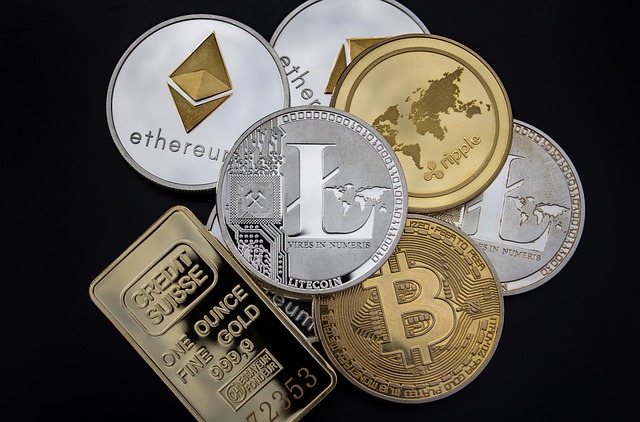
* **Bitcoin (BTC):** The original and most well-known cryptocurrency. It was created as a peer-to-peer electronic cash system and is often referred to as “digital gold” due to its status as a store of value.
* **Altcoins:** This term refers to any cryptocurrency other than Bitcoin. Ethereum (ETH) is the most prominent altcoin, which introduced the concept of smart contracts. These are self-executing contracts with the terms of the agreement directly written into code, enabling the creation of decentralized applications (dApps). Other popular altcoins include Solana (SOL), Cardano (ADA), and Ripple (XRP).
* **Stablecoins:** These are cryptocurrencies designed to minimize volatility by pegging their market value to an external reference, such as a fiat currency like the U.S. Dollar or a commodity like gold. Examples include Tether (USDT) and USD Coin (USDC).
* **Meme Coins:** Initially created as jokes, meme coins like Dogecoin (DOGE) and Shiba Inu (SHIB) have gained significant popularity. Their value is often driven by community hype and social media trends rather than underlying utility, making them highly speculative.
How to Get Started with Cryptocurrency
Beginning your journey into crypto is more straightforward than it may seem. Here are the basic steps to get started:
- **Choose a Cryptocurrency Exchange:** An exchange is a platform where you can buy, sell, and trade cryptocurrencies. Research and select a reputable exchange that offers strong security features, low fees, and the digital assets you are interested in.
- **Create and Verify Your Account:** You will need to sign up with your personal information and complete a Know Your Customer (KYC) process. This typically involves providing a government-issued ID to verify your identity and comply with anti-money laundering regulations.
- **Fund Your Account:** Once verified, you can deposit funds into your exchange account. Common methods include bank transfers, debit cards, or credit cards.
- **Buy Your First Cryptocurrency:** Navigate the platform’s trading interface, select the cryptocurrency you wish to purchase (e.g., Bitcoin or Ethereum), enter the amount you want to buy, and confirm the transaction. The assets will then appear in your exchange wallet.
Understanding Cryptocurrency Wallets
A cryptocurrency wallet is a digital tool that allows you to store, send, and receive your digital assets. It doesn’t store your coins themselves, but rather the private keys that prove your ownership and allow you to access your funds on the blockchain. There are two main types of wallets:
* **Hot Wallets:** These are connected to the internet and include exchange wallets, desktop wallets, and mobile apps. They are convenient for frequent trading and making transactions but are more vulnerable to online security threats.
* **Cold Wallets:** These are offline hardware devices, similar to a USB drive, that store your private keys completely disconnected from the internet. They provide the highest level of security and are ideal for long-term storage of significant amounts of cryptocurrency.
Key Concepts to Know Before You Invest
The cryptocurrency market is unique and comes with its own set of terminology and risks. Understanding these concepts is crucial before investing:
* **Volatility:** Cryptocurrency prices can experience significant and rapid fluctuations in a short period. It is essential to be prepared for this volatility and only invest what you can afford to lose.
* **Market Capitalization (Market Cap):** This is the total value of all the coins that have been mined. It is calculated by multiplying the current market price of a single coin by the total number of coins in circulation. Market cap is a key metric used to gauge the relative size and stability of a cryptocurrency.
* **Do Your Own Research (DYOR):** This is a fundamental principle in the crypto space. Never make investment decisions based solely on hype or someone else’s recommendation. Investigate the project’s technology, team, tokenomics, and use case before committing funds.
* **Security:** Always enable Two-Factor Authentication (2FA) on your exchange accounts and be vigilant against phishing scams and fraudulent offers.
The Future of Cryptocurrency
The world of cryptocurrency is dynamic and constantly evolving. Beyond simple digital currency, the technology is powering innovations in Decentralized Finance (DeFi), which aims to rebuild traditional financial systems without intermediaries, and Non-Fungible Tokens (NFTs), which represent unique digital ownership. As institutional adoption grows and regulatory frameworks become clearer, the role of digital assets in the global economy is set to expand. To deepen your knowledge and stay ahead of the curve, exploring a detailed cryptocurrency guide is an essential next step for any serious trader or investor.