


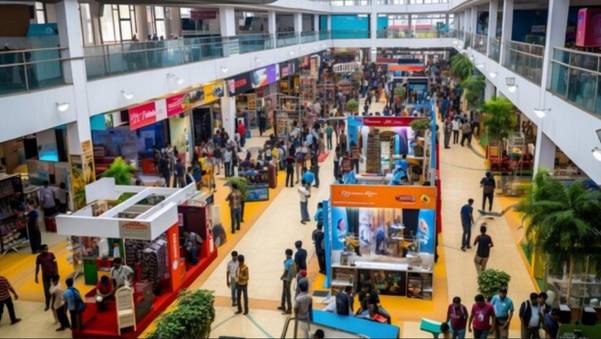
Sustainability is a concept that has taken center stage in industries, and trade shows are not an exception. With conventions becoming bigger and more common, companies are considering designing and creating exhibits in ways that minimize waste to the environment and do not make them any less appealing. Eco-conscious exhibiting is responsible and refined by this combination of clever material selection, modular construction, and efficient logistics to produce booths. Trade show rental booths have become a solution that people are increasingly considering because they are low-waste and sustainable in terms of budgeting. Collectively, these changes are transforming the manner in which brands are displayed on the convention floor.
How Sustainable Exhibit Design Is Reshaping Modern Trade Shows
Modular Thinking Led by Tradeshow Exhibit Companies
An increasing number of trade show exhibit companies are incorporating modular systems (that can be assembled, disassembled, and reassembled for multiple shows) into their offerings. Modular components help eliminate the need to build a single-product exhibit that will be used once, as exhibitors are able to change their layouts without completely replacing their existing structure; therefore, this approach reduces material waste but also offers flexibility for design changes. In addition, modular thinking reduces the time required to create exhibits and makes transporting exhibits easier, which ultimately results in lower emissions and lower long-term costs. Thus, sustainability is now seen as an advantage in terms of exhibit design instead of a limitation.
Responsible Material Selection Without Compromising Style
More and more, sustainable exhibits are being produced using recyclable aluminum frames, responsibly sourced wood, and fabric graphics. In addition, sustainable exhibits are produced using low-VOC finishes. These materials create the same premium appearance as traditional builds, but with significantly less impact on the environment. An example is fabric graphics; they are very lightweight and therefore can be reused and easily shipped, thus reducing the amount of freight emissions associated with transporting them. Often, the use of clean lines, natural textures, and minimalist aesthetics associated with these materials demonstrates how an eco-friendly design can have an attractive, modern appearance.
Reusability and Longevity as Core Design Principles
Eco-chic displays are created with an emphasis on long-term use rather than single-event usage. You can change the graphics in your exhibit. By changing the design, color, and shapes of the graphics or putting additional ones on your booth exhibit, you can match it with your brand’s aesthetic or trade show theme to stand out even more. Thus, when exhibitors participate in multiple shows, they can update their message while maintaining their basic structure, therefore not contributing to any additional landfill waste while creating maximum ROI (return on investment). Long-lasting green design encourages you to consider your plans for future events, resulting in your booth being built with greater consideration for creating a clean, aesthetically pleasing experience.
Energy-Efficient Lighting and Technology Integration
Booth Impact includes the importance of proper lighting to enhance the visual appeal of the booth. Efficient lighting solutions are an important part of constructing sustainable exhibits and, therefore, should be considered part of any booth. LED lights provide a significant reduction in energy consumption as well as generate little to no heat, and provide an excellent life span as compared to traditional lighting sources. By combining LED lighting with strategic placement through a smart lighting system, it allows the products and graphics within the booth to be illuminated while using less electricity. Digital signage and interactive displays provide additional forms of enhanced efficiency for replacing printed materials and reducing paper waste at events over multiple show days.
Smarter Logistics and Reduced Environmental Footprint
Sustainable exhibit practices are more than merely booth construction; they include all logistical and operational functions associated with exhibiting. Leaner materials decrease freight weight, which corresponds to reduced fuel consumption during transit; panelised (flat pack) designs allow maximum transport and space efficiency. Hybrid and rental exhibit types reduce long-term storage and fabrication requirements; therefore, by combining sustainability attributes in the form of smarter logistics, every exhibitor can benefit from ease and practicality when planning an event.
End Point
Eco-chic exhibiting shows a significant change in the way we design and experience trade shows. Sustainable exhibits create environmental and financial value with modular systems, responsibly sourced materials, reusable structures, and a focus on efficient logistics, and are now supported by more and more companies in the trade show industry. As a result, sustainability is not simply a preference in the exhibit industry; it’s becoming an integral element of the future of trade conventions, with an emphasis on style, efficiency, and long-term impact.