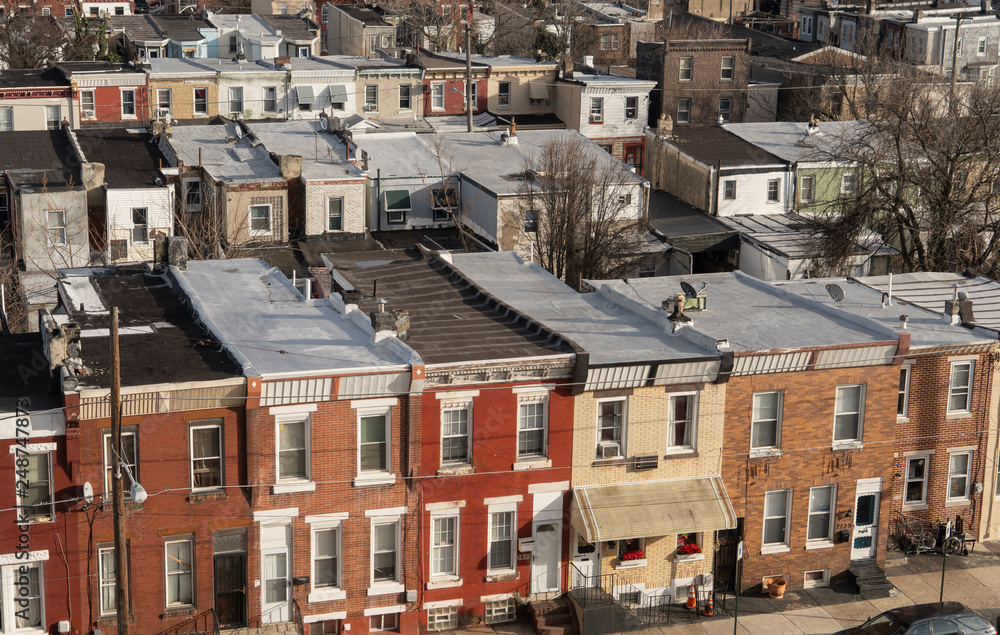
Replacing a roof is one of the most important investments a homeowner can make. A strong and properly installed roof protects your home from weather, moisture, and structural damage. However, many homeowners wonder when the best time is to schedule a roof replacement, especially in a city like Philadelphia where the climate changes significantly throughout the year.
Timing plays an important role in the success of a roofing project. Weather conditions, contractor availability, and the condition of your existing roof can all influence the ideal time for replacement. Understanding how seasonal conditions affect roofing work can help you plan your project more effectively.
How Philadelphia’s Climate Affects Roof Replacement
Philadelphia experiences a wide range of weather conditions throughout the year, including hot summers, cold winters, and frequent rain in the spring and fall. These seasonal changes can affect how roofing materials perform during installation.
Asphalt shingles, which are one of the most common roofing materials used in residential homes, require specific temperature conditions to properly seal and adhere. Extreme cold can make shingles brittle, while extreme heat can make them too soft during installation.
For this reason, moderate temperatures are usually the most favorable for roofing work. According to general construction guidelines published by the U.S. Department of Energy, roofing materials perform best when installed in stable weather conditions that are neither too hot nor too cold.
Spring: A Popular Time for Roof Replacement
Spring is often considered a good time to replace a roof in Philadelphia. After winter storms and freezing temperatures, many homeowners begin noticing damage such as missing shingles, leaks, or ice dam issues.
Scheduling a roof replacement in spring allows homeowners to repair winter-related damage before summer storms arrive. The moderate temperatures during this season also help shingles seal properly.
However, spring can also bring frequent rain, which may cause occasional project delays. Roofing contractors often monitor weather forecasts closely during this time to ensure safe and effective installation.
Summer: Ideal Conditions with High Demand
Summer is another common season for roof replacement. Warm temperatures help asphalt shingles adhere properly and create strong seals. Longer daylight hours also allow roofing crews to complete projects more efficiently.
Because of these advantages, summer is typically the busiest season for roofing companies. Homeowners who plan to replace their roof during the summer may need to schedule their project several weeks in advance due to high demand.
Fall: Often the Best Time for Roof Replacement
Many roofing professionals consider fall to be the best time of year for roof replacement in Philadelphia. The temperatures are usually mild, and the weather tends to be more predictable compared to spring.
Moderate temperatures allow asphalt shingles to seal properly, while the lower humidity levels help ensure optimal installation conditions. Replacing a roof in the fall also prepares the home for winter weather, reducing the risk of leaks, ice dams, and insulation issues during colder months.
This combination of favorable temperatures and stable weather makes fall one of the most efficient times for roofing projects.
Winter Roof Replacement: Is It Possible?
Although winter is generally the least common time for roof replacement, it is still possible under certain conditions. Experienced contractors can install roofs during winter when temperatures are not extremely low.
However, cold weather can make shingles more fragile and more difficult to handle during installation. Snow, ice, and shorter daylight hours may also slow down the process.
Because of these factors, winter roof replacement is usually reserved for emergency situations, such as severe leaks or storm damage that cannot wait until warmer months.
Why Professional Inspection Matters
Regardless of the season, the most important factor in deciding when to replace a roof is the condition of the existing structure. If your roof is showing signs of serious damage, delaying repairs could lead to more expensive structural issues.
In the middle of planning a roofing project, many homeowners consult experienced professionals such as Umbrella Roof to evaluate whether repair or full replacement is the best option. A professional inspection can identify hidden problems like moisture damage, weakened decking, or poor ventilation that may not be visible from the ground.
Working with an experienced contractor ensures that the roofing system is installed properly and meets local building standards.
Signs It Might Be Time to Replace Your Roof
Sometimes the timing of roof replacement is determined less by the season and more by the condition of the roof itself. Common warning signs include missing or curling shingles, frequent leaks, water stains on ceilings, and excessive granules in gutters.
Another indicator is the age of the roof. Asphalt shingle roofs typically last around 20 to 30 years depending on installation quality, weather exposure, and maintenance.
If your roof is approaching the end of its lifespan, it may be wise to plan replacement before serious problems occur.
Final Thoughts
Choosing the best time to replace a roof in Philadelphia depends on several factors, including weather conditions, contractor availability, and the overall condition of the existing roof. While fall and summer often provide the most favorable installation conditions, roof replacement can be completed successfully during other seasons as well.
The most important step is having your roof inspected by a professional who can assess its condition and recommend the right timing for replacement. By planning your roofing project carefully, you can protect your home, improve energy efficiency, and ensure your roof performs reliably for many years.