


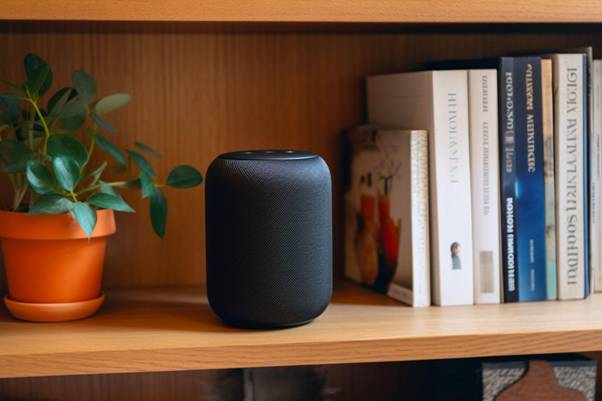
Room furnishings can influence how sound from a speaker is heard by changing the way sound waves are absorbed, reflected and scattered. Curtains, carpets and furniture therefore form part of the acoustic environment alongside walls, ceilings and floors.
A wireless speaker does not produce sound in isolation. Once sound leaves the speaker, it interacts with nearby surfaces before reaching the listener. Understanding these interactions can help when deciding where to position a speaker and how to arrange a room.
How Do Curtains Affect Room Acoustics?
Curtains can absorb some sound energy, particularly at higher frequencies, depending on their material, thickness and construction. Their effect is most relevant when they cover otherwise reflective surfaces such as windows.
Windows are relatively hard surfaces, so they can reflect sound within a room. Adding curtains changes the acoustic properties of that area by introducing a softer surface that can absorb part of the reflected sound.
The effect of curtains depends on how they are installed. Factors include:
- Curtain thickness and fabric construction
- The amount of window or wall covered
- The distance between the curtain and the underlying surface
- The overall size of the treated area
Curtains should therefore be considered as one part of a room’s acoustic arrangement rather than a complete acoustic treatment. Their primary effect is on sound absorption and reflection, not on blocking sound from entering or leaving the room.
In summary: Curtains can reduce some reflections from windows and other hard surfaces, with their acoustic effect influenced by their material, coverage and installation.
How Do Carpets Affect Speaker Sound?
Carpets change the acoustic behaviour of floors by providing a softer surface than materials such as tile, stone or bare timber. They can absorb some sound energy and reduce reflections from the floor.
This can affect the balance between direct sound from the speaker and sound reflected by nearby surfaces. The effect is influenced by the carpet itself, including its thickness and construction, as well as the size of the covered area.
Carpets can be particularly relevant in rooms with extensive hard flooring. However, they do not treat reflections from walls, ceilings, windows or other uncovered surfaces.
For example, when using a JBL speaker the carpet forms part of the surrounding acoustic environment rather than changing the speaker’s underlying audio technology. Speaker position, listening distance and the room’s other surfaces continue to influence what the listener hears.
In summary: Carpets can reduce some floor reflections, but their contribution needs to be considered alongside the room’s walls, ceiling and other surfaces.
How Does Furniture Change Room Acoustics?
Furniture can either absorb or reflect sound depending on its materials and construction. Upholstered sofas and chairs generally provide more sound absorption than hard furniture made from materials such as glass, metal or exposed wood.
Large pieces of furniture can also affect the paths taken by sound waves. Their position may change how direct and reflected sound reaches the listening area.
Consider the following factors:
- Upholstered furniture can absorb some sound energy.
- Hard furniture surfaces can reflect sound.
- Large objects can alter sound paths within the room.
- Furniture placed directly in front of a speaker can obstruct the direct sound path.
- Open shelving and irregular surfaces can contribute to sound scattering.
The overall arrangement matters because room acoustics result from the interaction of multiple surfaces. Moving furniture can therefore change the acoustic conditions even when the speaker itself remains in the same position.
In summary: Furniture contributes to room acoustics through absorption, reflection and scattering, making its placement relevant when arranging a speaker and listening position.
How Can You Improve Room Acoustics Without Dedicated Acoustic Panels?
Room acoustics can be adjusted using existing furnishings before considering dedicated acoustic products. The aim is to manage excessive reflections while maintaining a practical room arrangement.
Useful measures include:
- Positioning curtains over large reflective window surfaces.
- Using carpets or rugs over reflective flooring.
- Keeping upholstered furniture within the listening area.
- Avoiding unnecessary obstructions between the speaker and listener.
- Experimenting with speaker and listening positions within the room.
These changes should be made according to the room’s existing surfaces. Adding more soft furnishings is not automatically better, because acoustic conditions depend on the balance between absorption and reflection.
In summary: Existing curtains, carpets and furniture can influence room acoustics, while careful speaker placement should remain part of the overall approach.
How Can You Assess Your Room Before Adjusting a Wireless Speaker Setup?
Start by identifying the main surfaces surrounding the speaker and listening position. Note whether the room contains bare floors, large windows, exposed walls, extensive hard furniture or substantial upholstered furnishings.
Next, consider the speaker’s position relative to walls and furniture. A wireless speaker should have a clear path towards the intended listening area rather than being heavily obstructed by nearby objects.
You can assess the room by considering:
- The distance between the speaker and nearby walls.
- Whether the floor is hard or carpeted.
- The amount of exposed glass or other hard surfaces.
- The position of sofas, cabinets and shelving.
- Whether furniture blocks the direct path between speaker and listener.
- Whether the room has noticeably persistent reflections or reverberation.
Make one adjustment at a time when assessing changes. This makes it easier to identify whether moving the speaker, changing a furnishing or altering the listening position has affected the sound.
In summary: Assess the room’s surfaces, furniture arrangement and speaker position together. This provides a practical basis for making acoustic adjustments without relying on assumptions about individual furnishings.
Visit Harvey Norman Singapore and create a listening setup that fits your space today.