As people age, the need to create environments that support health, independence, and comfort becomes increasingly important. Designing for longevity goes far beyond aesthetics. It involves crafting spaces that promote well-being and address the physical, emotional, and social needs of older adults.
This architectural approach emphasizes accessibility, sustainability, and community integration so individuals can enjoy their later years with dignity and ease.
This blog post explores the key principles of age-friendly architecture, interior design strategies for senior living spaces, and additional considerations that support aging well.
Key Principles of Age-Friendly Architecture
Adaptability and Flexibility
Living spaces for seniors must be designed to evolve over time. This allows residents to age in place without needing to relocate as their mobility or health needs change. Adaptable layouts may include convertible rooms, such as a ground-floor space that can easily transition into a bedroom if needed.
Accessibility (Universal Design)
Removing barriers is essential. Step-free entrances, widened doorways of at least 90 centimeters, and spacious hallways all support safe and independent movement. Incorporating a 150-centimeter wheelchair turning radius in interior spaces further enhances accessibility.
Safety-Focused Design
Safety is a top priority in kitchens, bathrooms, and other high-use areas. Non-slip flooring reduces the risk of falls, while grab bars, lever-style handles, and well-planned lighting help seniors navigate their homes more confidently.
Lighting and Visibility
Motion-sensor night lights and bright, adjustable lighting are important features in age-friendly design. These elements improve visibility and reduce the likelihood of accidents caused by poor lighting conditions.
Integration with Nature
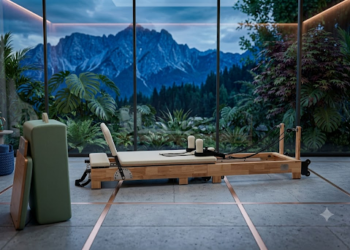
Biophilic design principles, such as maximizing natural light and providing views of greenery, can improve cognitive function and support mental well-being. Access to nature has been shown to reduce stress and enhance overall quality of life.
Seniors-Focused Interior Design Strategies
Wayfinding and Visual Cues
Many communities offering assisted living in Naples, FL, and other states use contrasting colors, varied textures, and thoughtfully selected artwork to help residents navigate spaces safely. These visual cues are especially beneficial for individuals living with dementia or Alzheimer’s disease.
Mobility With Comfort
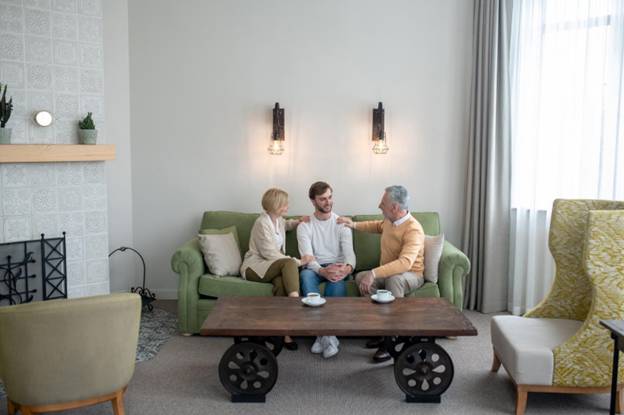
Senior living spaces should be arranged with mobility and safety in mind. Furniture must be sturdy, easy to walk around, and designed with rounded edges to prevent injuries. Clear pathways help reduce the risk of falls.
Storage for Easy Accessibility
Kitchens, closets, and storage areas should be designed with shelves and cabinets placed within comfortable reach, whether standing or seated. This reduces the need for bending, stretching, or using step stools.
Community and Structural Design
Intergenerational Spaces
Modern architectural trends encourage aging in the community. High-quality senior living communities, such as Aston Gardens, often integrate housing with nearby schools, parks, and daycare centers. This promotes social interaction and reduces feelings of isolation.
“Slow Traffic” Systems
Well-lit, accessible pathways support pedestrian safety and encourage walkability. When residents can move around without relying on private vehicles, they enjoy greater independence and daily activity.
Technology Integration
Smart home technology, including automated lighting, temperature control, and remote monitoring systems, enhances safety and independence for older adults. These features allow seniors to manage their environment with ease.
Material Choices and Sustainability
Durability
Designers often choose long-lasting materials such as stone, wood, and tile. These materials age gracefully and maintain their appearance over time, reducing the need for frequent repairs or replacements.
Ecological Harmony
Selecting materials that suit the local climate improves energy efficiency and extends the lifespan of the building. Sustainable choices also reduce environmental impact and support long-term comfort.
Conclusion
Designing living spaces that support aging well can significantly improve the quality of life for older adults. Whether you are searching for a community built with longevity in mind or planning modifications to your own home for a senior loved one, consulting an experienced architect or designer can help you create a safe, comfortable, and future-ready environment.