In the rapidly advancing world of digital communication, the fibre optic cable stands out as a pivotal technology contributing to the future of connectivity. This technology is not merely a trend; it is a fundamental transformation that is reshaping the way data is transferred and managed across extensive networks globally.
What is Fibre Optic Cable?
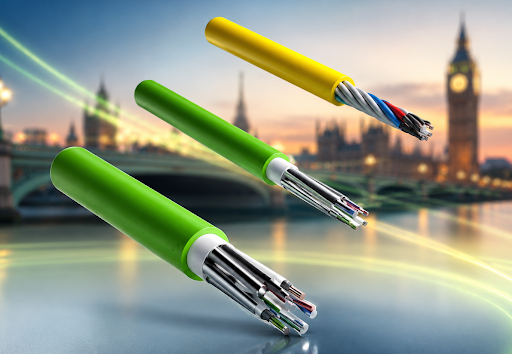
Fibre optics: The cables which are used in this are made of thin strands of glass or plastic known as optical fibres which send data via light signals. Each one of these hair-thin glass fibres can carry an enormous amount of data for long distances without attenuation, unlike traditional copper-wire cables.
The Key Advantages of Fibre Optic Cable
One of the enormous advantages of fibre optic cable is the bandwidth capacity. These cables’ data transfer rate is second to none, which is why they are widely used in high-speed internet connections and essential applications of data in business.
In addition, fibre optic cable is more resistant to electromagnetic interference. This ensures their high dependability, which is useful in industries where a high degree of connectivity is paramount, such as telecoms and cloud services.
Fibre Optic Cable and Data Security
Security is critical in data communication. The security of the data on the optic fibres is better than that on the copper cables as the optic fibres do not radiate signals, and are also more difficult to tap and hack. It also makes them better suited for carrying confidential information.
Environmental Impact and Sustainability
Unlike standard cables, fibre optic cables are environmentally friendly. They saw less power usage and therefore less carbon output, which fulfils international environmental directions and norms.
Applications in Different Industries
Fibre optic technology has changed the game in a number of industries. Healthcare: Transmit large medical images in real time to improve the accuracy of diagnostics and the quality of patient care. In finance, it enables secure, high-speed transactions globally.
Challenges in Fibre Optic Technology
Nevertheless, proprietary challenges exist and are specific to the unique aspects of the technology, mainly the installation of fibre optics. Fibre optic network installation can be labour-intensive and costly.
The Role of Fibre Optics in 5G Networks
Fibre optics cables are essential for 5g networks. Their speed makes it possible for the massive amount of data created and used in a 5g setting to move efficiently and smoothly.
Advancements in Fibre Optic Technology
Fibre optics technology continues to evolve through research and development with new solutions based around better, faster and more cost effective products. These advancements are set to cement the role of fibre optic cables in not only modern but future network infrastructure.
The Importance of Fibre Optic Infrastructure
A strong fibre optic backbone is required to support rising demand for broadband and data services, Coltrin said. Such infrastructure is the foundation for economic growth and competitiveness in today’s digital economy.
Fibre Optic Technology and the Internet of Things (IoT)
With the IoT depending on reliable, fast data flow, fibre optics play an essential in the maintenance of the IoT ecosystem. It is the technology behind the connectivity of so many devices to easily communicate with each other and function seamlessly.
Global Trends in Fibre Optic Adoption
Across the globe, countries are investing heavily in fibre optic networks. Governments recognise the technology’s potential in driving digital economies and enhancing citizens’ quality of life through improved internet accessibility.