


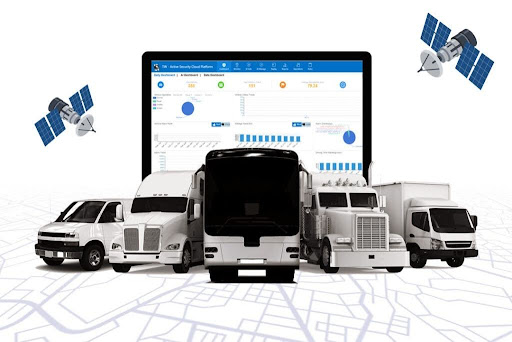
As businesses aim to balance cost-effectiveness with environmental responsibility, fleet solutions play a critical role. Modern fleet management strategies not only optimise operational efficiency but also significantly reduce environmental impact.
The Importance of Fleet Efficiency
Fleet efficiency is no longer a choice but a necessity due to the increasing expenses of fuel and maintenance. Efficient fleet solutions result in streamlined operations with less fuel expenditure and cost per-operation. Technology-based solutions for monitoring vehicle performance can also enable companies to track vehicles, detect inefficiencies and make data-driven decisions.
Sustainability in Fleet Management
A more environmentally responsible approach to fleet management helps to reduce a company’s carbon footprint, and that’s a positive step in combating climate change. Businesses are progressively adding electric vehicles (EVs) to their fleets, aided by progress in battery technologies and charging infrastructure. These strategic moves improve corporate social responsibility and also have economic benefits for the long-term.
Technological Innovations in Fleet Solutions
Technology is set to play a huge part in leading future fleet solutions. Telematics, for example provides real time tracking and analysis of fleet vehicles, such as revealing driver behaviour and vehicle health. This information is then used to anticipate maintenance needs and adapt operations accordingly for improved efficiency.
Telematics and its Benefits
This telematics adoption in fleet management has empowered companies to the extent where they can keep a track of vehicle location, fuel level, and driver’s habits. This leads to higher fleet efficiency as well as safety and regulation compliance. By employing telematics, fleet managers can detect dangerous driving patterns and implement corrective measures to enhance road safety and decrease insurance expenditures.
Electric Vehicles and Renewable Energy
Shifting to electric vehicles is at the core of modern fleet management solutions. Given the advantages of EVs to be near zero emissions and cheaper to fuel, they are a solid pick for sustainability-keen organisations. In addition, by utilizing renewable energy sources for charging stations for EVs, you can have an even more complete circle of sustainability.
Fleet Optimisation Software
Another major development is fleet management software. These software packages organize route scheduling and maintenance and driver assignments effectively. This enables you to optimise deliveries, reduce idle times and save on costs as a fleet manager.
Data-Driven Decision Making
Data analysis is a powerful tool for effective fleet management. Predictive maintenance can predict when maintenance is needed and when vehicles (or parts of vehicles) are likely to fail. This not only ensures longevity of the fleet but also translates to cost savings over time.
Cost Management Strategies
The new and innovative solutions for fleets include strategies for managing the total cost of ownership. By managing the lifecycle cost, companies are able to predict and control costs associated with the purchase, maintenance and disposal of fleet vehicles.
The Role of Training and Compliance
The fleet well done is the fleet well said. It is important that all drivers are made aware of green practices and environmental laws and that they adhere to them. Safety and efficiency result from frequent policy training/updates for everyone.
Challenges in Implementing Fleet Solutions
Even though the benefits are evident, realising new and innovative fleet solutions comes with its own set of challenges. Up-front expenses are substantial, and there is resistance related to infrastructure upgrades and to changing behaviours. With proper planning and phased implementation, however, these problems can be lessened.
The Future of Fleet Solutions
The future of fleet management is all about smart integrations and collaborations,” says Sean Niggallo, Director, Product Management at Fleet Responses. Autonomous vehicles, AI-enabled analytics and blockchain technology have the potential to revolutionise fleet solutions with newfound efficiencies and sustainability metrics.
Case Studies of Successful Fleets
Hundreds of organisations have made dramatic improvements to their vehicle fleets . Research consistently demonstrates greater effectiveness, reduced emissions and lower operational expenses for organisations that have implemented state-of-the-art technologies and sustainability initiatives.
Conclusion
Innovative fleet solutions are essential for driving both efficiency and sustainability. As technology advances and societal expectations for environmental responsibility increase, businesses must adapt their fleet management practices to remain competitive and responsible. Looking ahead, the integration of cutting-edge technologies and sustainable practices will undoubtedly shape the future of fleet management, offering myriad benefits to forward-thinking organisations.