


There is much more to a beautiful interior design than colourful walls, eye-catching furniture, and accessories. As any interior designer will tell you, texture is fundamental to a visually appealing and elegant space.
If your current décor is lacking warmth, luxury, and physical depth, you must find out how to incorporate various materials and finishes into the space. To get started, learn why texture plays such an important role in interior design.
Visual Weight
Texture should never be an afterthought in interior design. It should shape every decision you make, as the materials and finishes you choose can add visual depth to a room.
It is equally as important as colour in the home, as it triggers the senses and prevents a flat, boring design.
Create an attention-grabbing interior by incorporating a mix of beautiful textures, such as quality leather, reclaimed wood, soft velvet, chunky boucle, glass, luxury cotton, textured stone, and thick wool.
Pair smooth, glossy, and polished textures with rough, matte, or coarse finishes to create a stylish and interesting aesthetic.
It is, however, important to avoid using too many textures from the same category in one room, as it can detract from your interior design.
For instance, if you have a glass coffee table, avoid adding a glass vase or a shiny leather sofa. Instead, strike a perfect balance by breaking up the visual with boucle seating or a wooden sculpture.
Tactility and Warmth
Texture obviously improves a room’s tactility, warmth, and comfort, yet so many people overlook its importance when redesigning their home.
The materials and finishes you choose should make you want to reach out and touch them, which provides a physical and emotional response in a room. For instance, the smoothness of marble or silk offers a lack of friction, making it feel cool and luxurious.
Alternatively, high-resistance textures offer greater friction against the skin, making items feel more rustic and organic, such as rough wood or textured plaster.
The textures you pick will ultimately shape your physical and visual comfort, which is why you must choose wisely.
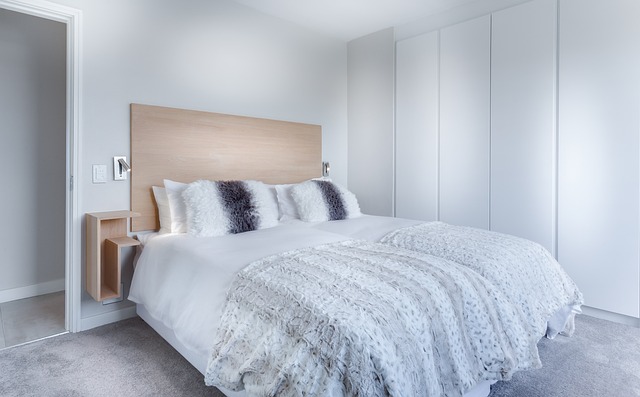
For example, if you want to create a sophisticated, inviting, and comfortable bedroom, choose luxurious bedding made from long staple cotton, as the micro-friction feels smooth and comfortable against the skin.
You can also improve your bed’s tactility with soft pillows, a wool or cashmere throw, and a mix of silk, velvet, and linen cushions.
The mix of high-quality, tactile materials is guaranteed to make you want to jump straight into bed.
Lighting
In addition to impacting a room’s visual aesthetic and tactility, texture can also change how a room appears throughout the day.
For instance, natural lighting can cast subtle shadows on various surfaces, improving a room’s visual depth, as lighting bounces off a smooth wall or creates micro-shadows on a textured wall, such as shiplap or plaster.
For this reason, you must view layered lighting as an extension of texture, as it enhances materials and finishes during the night while creating a warm, inviting environment.