Outdoor spaces are an integral part of daily life. They are used by thousands of people on a daily basis in the town centres, parks, schools, retail areas, transport hubs and workplaces. A growing population and increasingly busy public areas are increasingly becoming the focus of ensuring that they are safe and accessible for all.
Navigating and using outdoor environments is no longer considered “the luxury of design. It has become a crucial element in the planning and development process. The objective of a large or small project is always the same; to make it safe for people to move around in, whilst enjoying themselves in the space around them.
Accessibility is even more important than it used to be.
Accessibility is a matter of making places accessible to everyone, irrespective of their age or disability. A good design of outdoor space enables people to move and feel secure there without having to encounter unnecessary barriers or dangers.
Public space is used in many different ways by parents with pushchairs, people who use wheelchairs, older people, cyclists and pedestrians. By planning with accessibility in mind, a more inclusive environment is created that benefits the whole community.
Minimal design elements can make a big difference! Outdoor spaces are easier to use when pathways are clear, handrails are provided, protective barriers are in place, cycle parking is available and pedestrian pathways are safe. They are useful attributes to promote a sense of comfort and support in the environment.
With increasing population and the growing activity of urban areas, accessibility will remain a key factor for public infrastructure projects to succeed.
Safety and good design go hand-in-hand.
In any outdoor setting, safety is paramount. Everyone is interested in feeling safe when they are out and about, at work, shopping, exercising, or hanging out with friends and family.
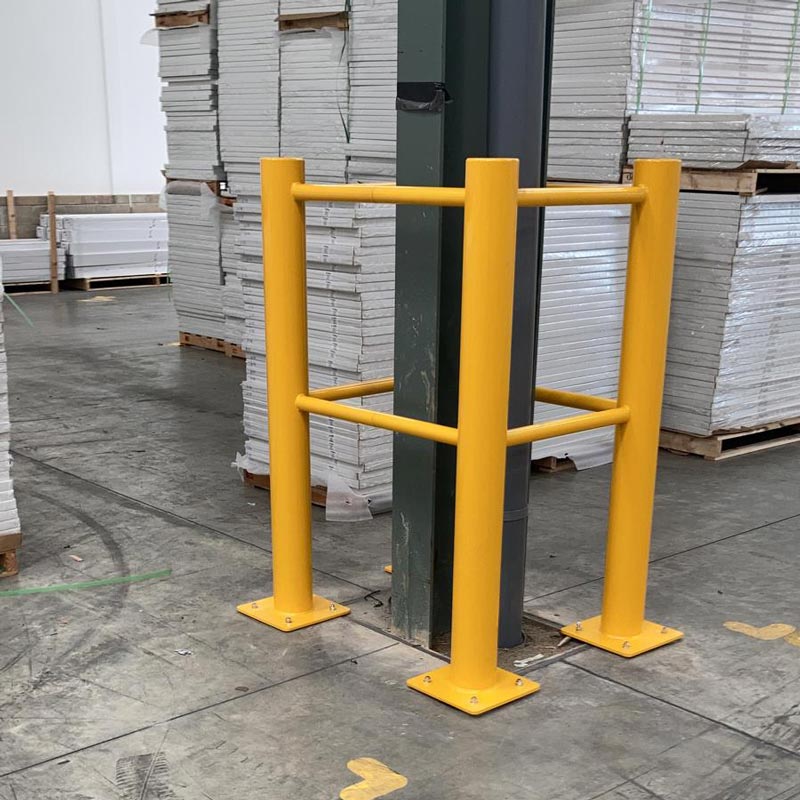
Well planned design can diminish risks and enhance the overall appearance of a space. Pedestrian elements that direct pedestrian flow, keep vehicles from pedestrians and provide protection in high traffic zones create safer environments for all.
Good planning also helps to minimise confusion. Well-defined traffic flow corridors and safety structures in place can enhance traffic flow and reduce accidents. This is especially important in the case of a busy place where a lot of people pass through the space every day.
In today’s developments, many rely on physical design elements to build safety and not just warning signs and restrictions.
Investment in infrastructure to support communities and improve their amenities.
The condition of public facilities directly affects the operations of communities. Clean outdoor spaces can prompt residents to spend more time outdoors, engage with businesses and be more active in their communities.
Safe and accessible public areas are welcoming! People will be more likely to walk than drive for short distances, to visit local amenities and to enjoy recreational spaces. Small improvements can make a big difference to physical health and to wellbeing in the community.
Infrastructure must be resilient and able to carry out its functions on a daily basis. Weather, foot traffic and overall wear and tear are constant factors in public spaces. Durable materials and proven systems help to ensure long lasting installations.
This is a long-term solution that can help lower maintenance expenses and improve user experience.
The demand for flexible solutions is on the rise.
Flexibility is often key in modern outdoor project design. Each site has its own set of challenges and designers are focusing more and more on solutions that can be tailored to meet the requirements of each site.
Many modular systems are popular because they enable the structures to be put together without the need for significant fabricating or complicated installation techniques. They can be applied to handrails, barriers, guardrails, walkways and many more safety applications.
It also gives practical benefits because it allows for the changes and additions of installations over time. Infrastructure can be modified in response to changes in the site without the need to replace it entirely.
This flexibility is very important for many contractors and project managers as it makes for a better efficiency and safety.
As this need continues to rise, it has become more crucial than ever to have a dependable Interclamp supplier UK to count on for high quality products and support in an extensive variety of projects.
What do you see in the future for public spaces?
Expectations of outdoor environments will continue to grow as towns and cities continue to grow. People want spaces to be attractive, functional, safe and accessible.
These themes of inclusive design, sustainability, and long-term durability will continue to become more important in the future. The best projects will be those that have a good mix of both usability and functionality.
Creating better outdoor environments is about more than meeting regulations. It’s helping people to interact better with their environments. Safe pathways, accessible routes, durable infrastructure and thoughtful planning all help to create stronger and more connected communities.
Brought together, public spaces become comfortable, confident and welcoming places.
GLW Street Furniture Ltd are an established supplier of Interclamp products in the UK and offer a range of excellent products and solutions for commercial, industrial and public sector projects. The company provides customers with dependable infrastructure systems that enhance safety, accessibility and long-term performance in a variety of outdoor environments.