

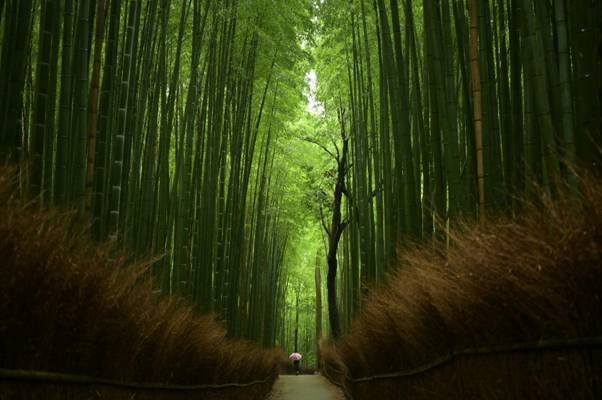
For many visitors, Arashiyama begins and ends with one image: a narrow path beneath towering bamboo. The Arashiyama Bamboo Forest deserves its reputation, but it is only one part of a much larger district. On Kyoto’s western edge, Arashiyama brings together a Zen temple garden, a riverside bridge, quiet lanes, hillside views, and, rather unexpectedly, wild macaques.
That matters when planning a Kyoto itinerary. Treat Arashiyama as a quick photo stop, and you may spend more time queuing than exploring. Give it a day, however, and the area starts to feel less like a checklist and more like a welcome break from central Kyoto.
Start early, then let the day breathe
The most practical advice is simple: arrive early. Arashiyama is especially busy during cherry blossom season and autumn foliage, while the bamboo path can fill quickly once day tours arrive. Kyoto’s official tourism guidance also recommends early visits and highlights the quieter approach through Kameyama Park.
A wise rule is to reach the area before the main sightseeing rush, then begin with the places that are hardest to enjoy in a crowd. The Bamboo Grove is free to enter, but silence is part of its charm. At midday, it can feel more like a busy city walkway than a forest.
From Kyoto Station, the JR Sagano Line connects to Saga-Arashiyama Station, while Randen and Hankyu routes can also work depending on where you are staying. Check current routes and fares shortly before traveling rather than relying on an old blog post.
The main takeaway: Arashiyama rewards a relaxed morning far more than a rushed afternoon.
The Arashiyama Bamboo Forest is worth seeing with the right expectations
Yes, go to the bamboo grove. The path is atmospheric, the stalks are strikingly tall, and even frequent travelers tend to pause when the wind moves through them. But do not expect to have it to yourself unless you arrive very early or travel in a quieter season.
There is one simple trick that first-time visitors often miss: do not stop at the first break in the crowd. Keep walking. People gradually spread out, and you are less likely to spend ten minutes waiting for a clear photo.
The grove links naturally with Tenryu-ji Temple, which makes these two stops a logical opening for any Arashiyama itinerary. One flows into the next without unnecessary backtracking.
Tenryu-ji Temple: the stop that gives Arashiyama depth
Tenryu-ji is not merely a convenient entrance to the bamboo grove. It is a major Rinzai Zen temple and a UNESCO World Heritage site, with a garden that has remained central to the temple’s identity despite repeated fires over the centuries.
The Sogenchi Garden is the reason to slow down. Its pond, stones, and borrowed mountain scenery are arranged so carefully that the view feels composed rather than merely pretty. Stand still for a few minutes and notice how the garden frames the surrounding hills. It changes the experience.
For travelers who feel that temples begin to blur together after a few days in Kyoto, this is one to approach as a garden first and a landmark second.
Cross Togetsukyo Bridge and take the long way by the river
After the temple and bamboo, head downhill towards Togetsukyo Bridge. It crosses the Katsura River with Arashiyama’s wooded slopes behind it, creating one of the district’s most recognizable views.
This is a good moment to stop chasing attractions. Buy a drink, sit near the river, watch the boats, or simply walk along the bank. A strong itinerary needs breathing room; otherwise, even beautiful places start to blur together.
Kameyama Park is worth considering if you want a quieter detour. Its pathways and elevated views offer a useful break from the busiest streets around the bridge.
The river is not a filler between sights. It is one of the reasons Arashiyama feels noticeably different from central Kyoto.
Add the monkey park if you have the energy
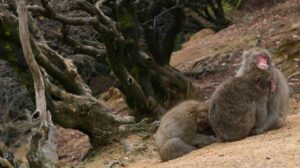
Iwatayama Monkey Park is not for everyone. It requires an uphill walk, and the path can feel demanding on a humid summer day. Yet that effort is precisely why the experience stands out.
At the top, visitors can see Kyoto spread out below while Japanese macaques move around the hillside. The feeding setup reverses the usual zoo logic: people enter a screened area while the monkeys remain outside. It is memorable, but the usual wildlife rule applies: follow staff instructions, do not touch the animals, and use only food approved by the park.
Treat the monkey park as an optional fourth stop, not something to force into an already packed morning. Tired legs or poor weather are perfectly good reasons to skip it.
A practical one-day route
| Time | Suggested stop | Why it works |
| Early morning | Tenryu-ji Temple and Bamboo Grove | Beat the busiest period |
| Late morning | Okochi Sanso area or quiet Sagano lanes | See more than the headline sights |
| Lunch | Eat before the afternoon lull | Many local places close early |
| Afternoon | Togetsukyo Bridge, riverside and Kameyama Park | Slower pace and better views |
| Late afternoon | Iwatayama Monkey Park or a nearby temple | Choose based on energy and weather |
A bicycle can be useful for exploring deeper into Sagano, but do not rent one just because it sounds efficient. Around the bridge and bamboo paths, walking is often easier than navigating crowds and finding parking.
Make Arashiyama part of your Kyoto itinerary, not a rushed side trip
The best things to do in Arashiyama are not always the ones that appear first on a map. The bamboo grove is essential, but Tenryu-ji adds context, the river creates atmosphere, and a quieter path or garden gives the day its character.
Plan around the crowds, eat earlier than usual, and leave room for a detour. That is how Arashiyama becomes more than a famous photo stop. It becomes one of the most rewarding days in a Kyoto itinerary.
Sources
- https://www.nextleveloftravel.com/japan/Arashiyama-1-day-Itinerary/
- https://www.tenryuji.com/en/visit/
- https://kyoto.travel/en/