


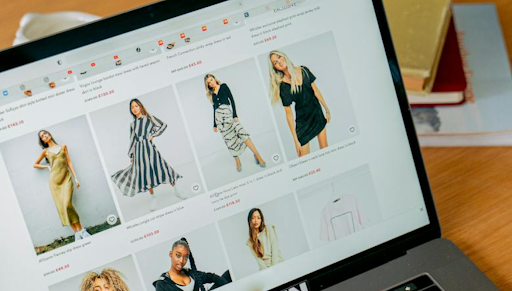
Nowadays, flat photos on a white background are no longer enough for an online store in the fashion industry. Shoppers focus more on themselves; they want to see how clothes look on people who are in similar body type. This is where virtual try on clothing comes in. But wait, don’t just buy the first tool you see. Please take it as if you’re buying a pair of jeans, yes, compare more, and choose the best one.
In 2026, more online stores has use this technology on their store, so the difference between a “good” AI and a “bad” AI is the difference between a sale and a return. To help you quickly make a decision, I have collected practical buying tips for choosing an AI solution that actually makes you money.
Tip 1: Prioritize the “Realism” of the Fabric
Most basic AI tools make clothes look like stickers. That is wasting time because of disappointment among shop owners and shoppers. When you are looking for a solution, you must check for a Realistic AI virtual try on clothes effect. For example, if you sell a heavy denim jacket, it should have realistic, stiff folds. If you sell a silk slip dress, the AI needs to show how the light hits the curves of the fabric.

Tip 2: A One-Click Model Swap Function
Time is money in e-commerce, so you need a One-Click AI Model Replacement Tool like Pic Copilot. The fashion industry is considering shoppers’ opinions, so one type of model may cause the loss of your potential buyers.
Imagine you just launched a new line of unisex hoodies. Instead of booking five different models for a photoshoot, a smart AI virtual try-on tool lets you upload one product photo and click “Swap” to see it on a tall man, a petite woman, or an older stylish person. Which will attract potential buyers to purchase.
Tip 3: Easy to Use
I think no people like reading a 50-page manual when they buy a tool. So, remember to use an easy-to-use virtual try-on clothing tool. A good tool works like this: Upload garment -> Choose Model -> Download. If it takes more steps than that, it will slow down your production. Speed is of great importance in the digital age. Take Pic Copilot as an example, this tool allows users to generate high-quality pictures within 1 minute.
Tip 4: Demand Real Numbers
What you want is proof that the tool moves your KPIs. Many vendors now share benchmarks across fashion clients. Before making decisions, ask them for the following data:
- Conversion and AOV impact: Concrete ranges are common now, like 15–40% conversion lift and 20–30% return drop for apparel when try-on is well placed.
- Engagement data: Time on page, pages per session, and interaction rate with the try-on widget. One study saw time on product pages jump by around 180% with virtual try-on available.
- Payback window: Many fashion retailers recover the investment within 6–18 months if they integrate the tool into core PDPs and top campaigns, not just one “innovation” page.
If a provider cannot show at least anonymized case studies with hard metrics, treat that as a warning sign. After all, fashion teams rely on numbers now; your tech partners should, too.
Tip 5: Check for Mobile-Friendly Results
Most of your customers are shopping on their phones during their resting time. Therefore, please make sure the proper size of your AI images fits on small screens well. Plus, zoom in on the textures. Does the knitwear look sharp? Does the jewelry shine? If the image looks “pixelated” or messy on a phone, the customer will leave your site. Professional AI tools, like those offered by Pic Copilot, ensure the resolution is high enough.
Tip 6: Test the Workflow With Your Team
A solution can be powerful and still fail if your team cannot use it fast. For day‑to‑day, “easy to use” often beats “perfect but complex.” When you trial a virtual try-on clothing tool, ask your actual content team to run a mini sprint: Upload 10–20 SKUs from a recent drop. Generate on‑model images for PDP, a few for ads, and one or two for social. Good systems let non‑technical users upload a product image, pick a model, and generate final images in a few clicks.
Conclusion
Making an informed decision when choosing an AI solution is crucial for promoting sales and improving customer experience. Remember to prioritize realism, ease of use, and mobile compatibility, while also demanding concrete data to back up any promises. Engaging your team in the selection process and testing the workflow will ensure that the chosen tool integrates smoothly into your operations. By following these tips, you can choose a virtual try-on solution that not only meets your business needs but also delights your customers.