

Melbourne can throw four seasons at your windows in a single afternoon. That’s not a cliché here; it’s a scheduling problem for anyone who fits window coverings for a living. Roller blinds Melbourne homeowners choose today aren’t the flimsy vinyl pull-downs your grandparents had. They’re engineered products, tested against Australian safety standards, and increasingly run by an app instead of a chain.
I’ve measured, quoted, and installed roller blinds across the inner north, the bayside suburbs, and out toward the Dandenongs. Here’s what actually matters once you get past the sales brochure.
“Homeowners looking for Roller Blinds Cranbourne solutions are increasingly choosing light-filtering sunscreen fabrics that reduce glare, enhance privacy, and complement the clean, contemporary style of Melbourne’s modern project homes.”
What Are Roller Blinds, Exactly?
Roller blinds are a single sheet of fabric that winds around a headrail tube, operated by a chain, spring, or motor. They work by unrolling to cover the glass and rolling back up out of sight when not needed. Unlike curtains or Venetians, there are no slats to dust and no bulky stack when they’re open. In Melbourne, they’re the most requested window covering for renovations and new builds because they fit almost any window shape without the fuss of tracks or rods.
That’s the textbook answer. Now let’s get into the parts nobody else is telling you.
Why Melbourne’s Weather Actually Changes What You Should Buy
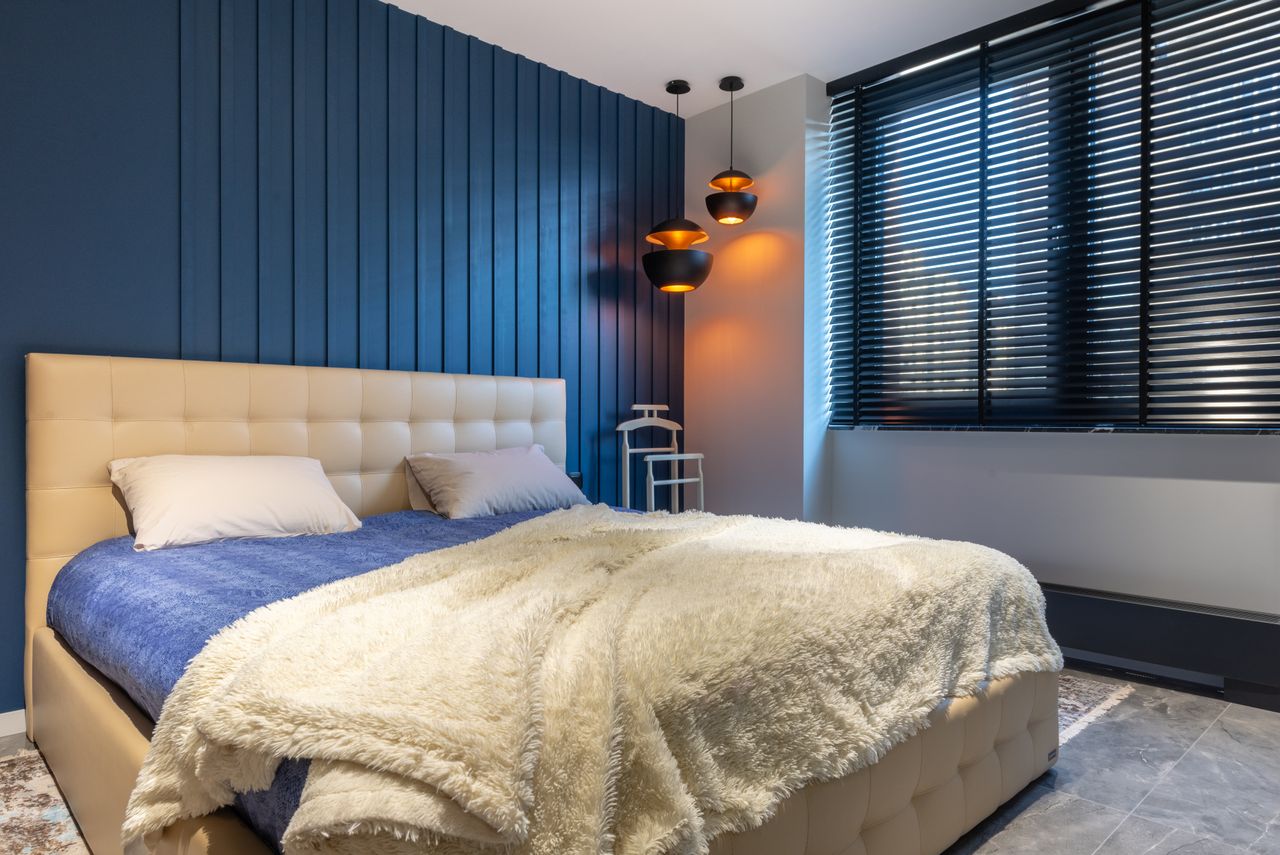
Here’s the thing most buying guides skip: your postcode changes the physics of the decision. A west-facing window in Sunshine copping four o’clock summer sun behaves nothing like a shaded courtyard window in Fitzroy.
Windows are the weak point of any home’s thermal envelope. According to Sustainability Victoria, a single pane of glass can lose or gain roughly ten times as much heat as an equivalent area of insulated wall. That’s not a rounding error. It’s the difference between a lounge room that stays liveable in July and one where you’re running the heater on high just to feel your toes.
The federal government’s “Your Home” technical manual goes further: windows can account for up to 40% of a home’s winter heat loss and as much as 87% of summer heat gain. Suddenly, that roller blind isn’t decoration. It’s part of your heating and cooling system.
Independent testing backs this up. Research from Glasgow Caledonian University, cited by the Window Shading Association of Australia, found a reflective roller blind performed just as well as a full curtain at cutting heat loss through single-glazed glass, both cut it by around 40%. So if you assumed curtains were the automatic winner, that’s actually mixed.
How to Actually Choose the Right Roller Blind (A 4-Stage Framework)
Skip the fifty-fabric-swatch overwhelm. Work through these four stages in order and the decision gets a lot simpler.
Stage 1: Define the job the blind needs to do. Is this a bedroom that needs total darkness for shift-work sleep? A living room where you want to keep the view but kill the glare on your laptop screen? Name the job before you look at a single fabric sample.
Stage 2: Match the fabric family to that job.
- Blockout fabric is tightly woven and light-proof, best for bedrooms, nurseries, and media rooms.
- Sunscreen mesh (commonly a 3 to 5% openness weave) filters glare and UV while keeping your outlook, suited to living areas and home offices.
- Light filter fabric sits between the two, translucent rather than see-through, good for kitchens and dining rooms that want a soft glow without losing privacy.
- Double roller systems combine a sunscreen and a blockout fabric on one bracket, letting you switch between daytime light control and night-time privacy on the same window.
Stage 3: Decide on the operation. Chain-operated blinds are the cheapest and most durable option for everyday use. Spring-loaded systems suit smaller windows where you want a cord-free look. Motorised blinds, increasingly common in Melbourne’s new-build apartments, let you schedule blinds to close automatically during the harshest afternoon sun (a genuinely useful trick for west-facing units baking above the West Gate).
Stage 4: Get it measured properly. This is where DIY often goes wrong. A blind that’s even 3mm out on width can bind in the bracket or leave a light gap down one edge. Professional installers measure recess depth, check for architraves and handles that might obstruct the roll, and confirm whether you need an inside “recess fit” or an outside “face fit” mount.
Roller Blinds vs the Alternatives: What the Comparisons Usually Miss
Most guides pit roller blinds against curtains and stop there. Worth going one step further.
Vs curtains: Lined curtains with a pelmet insulate brilliantly but need more wall space and more cleaning. Roller blinds take up almost no visual real estate, which matters in the smaller apartments and townhouses that dominate Melbourne’s inner suburbs now.
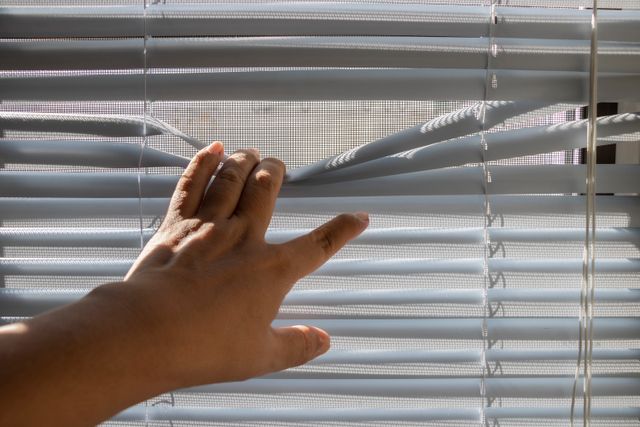
Vs Venetians: Slats give adjustable light but collect dust fast and add cord considerations (more on that below). A roller blind’s single surface wipes clean in seconds.
Vs plantation shutters: Shutters add resale value and a timeless look, but typically cost three to four times as much and can’t be swapped out cheaply if your style changes.
Here’s the myth worth busting: a lot of homeowners assume cheap, off-the-shelf roller blinds perform the same as custom-made ones. They don’t. Ready-made blinds are cut to standard widths then trimmed down, which often compromises the edge seal and light-blocking performance. Custom-made blinds are cut to your exact window, so the edge stays finished and the fit stays tight.
The Safety Detail Almost Every Blinds Article Leaves Out
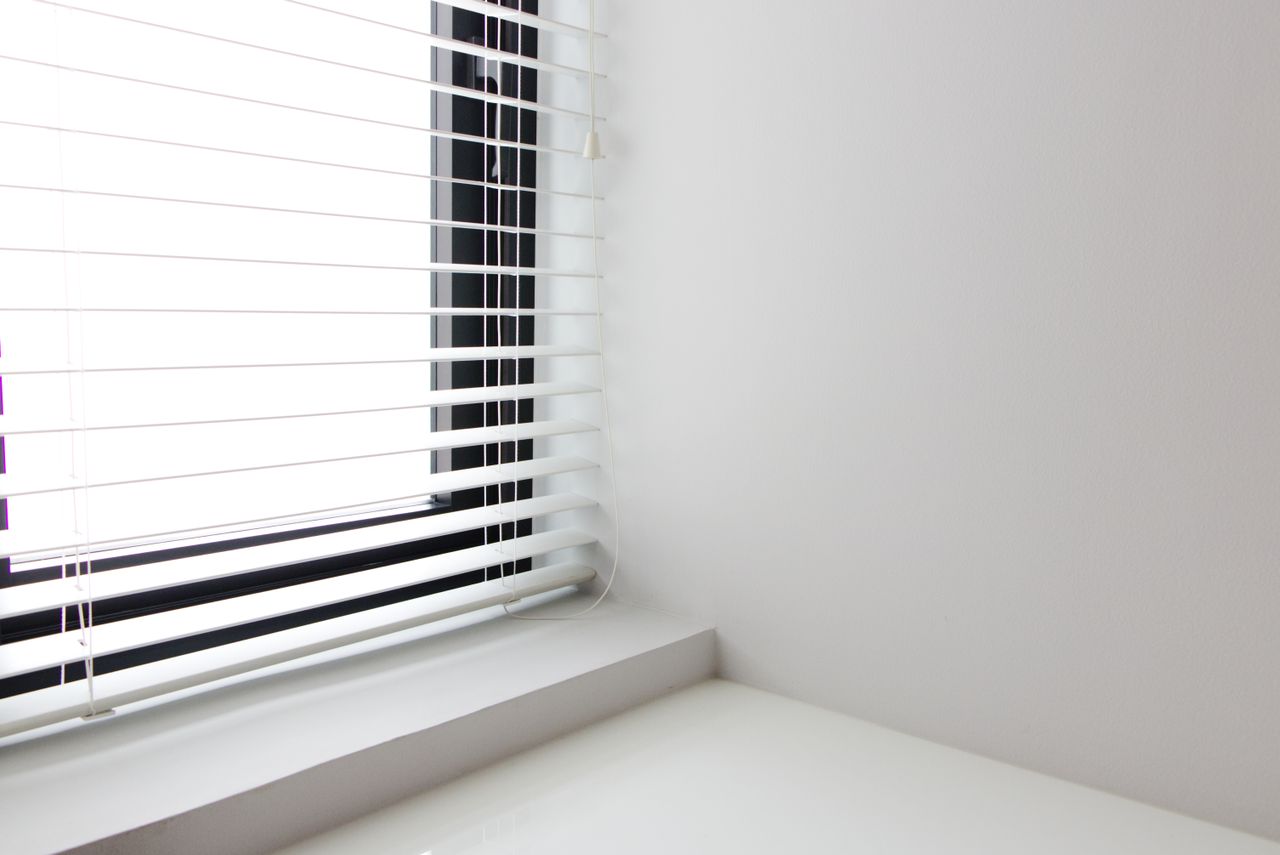
I’ll be blunt: cord safety barely gets a mention on most commercial blinds pages, and it should. Blind and curtain cords have caused the deaths of young children in Australian homes, which is why installation of corded internal window coverings is governed by a mandatory federal standard, not just a suggestion.
Under the Competition and Consumer (Corded Internal Window Coverings) Safety Standard 2014, installers must ensure a loose cord can’t form a loop of 220mm or longer at less than 1.6 metres above floor level, and any cleat used to secure a cord must be fixed at least 1.6 metres up the wall. It sounds fussy until you learn why: a 2016 ACCC compliance sweep of 131 display homes found that only around 10% would have met every requirement of the standard if sold as is.
If you’ve got young kids, grandkids, or simply want one less thing to worry about, ask your Melbourne installer for a cordless, spring, or motorised system. It removes the hazard at the source rather than managing it with a cleat.
Who Roller Blinds Actually Suit (and Who Should Look Elsewhere)
They’re the right call if you’re renting and want a cheap, non-permanent upgrade, you’ve got a minimalist interior where slats and heavy drapery feel out of place, or you’re covering a large stretch of glazing where curtains would need a small fortune in fabric. They’re probably not the best fit if you want maximum acoustic dampening (heavy lined curtains beat them here) or your heritage-listed home calls for a period look that a plain roller can’t deliver.
A custom roller blind installed in Melbourne typically lands in the low hundreds of dollars, driven by width, fabric grade, and whether you add motorisation. Expect a quality, professionally fitted blind to last 7 to 15 years with normal care.
Frequently Asked Questions
Do roller blinds actually help with heating and cooling bills?
Yes. A fitted blockout or sunscreen blind creates an insulating air gap against the glass, and government guidance on window shading confirms this measurably cuts winter heat loss and summer heat gain.
Are motorised roller blinds worth the extra cost?
For hard-to-reach or oversized windows, generally yes. You get scheduled operation, cord-free safety, and smart-home integration, though the upfront cost sits above that of manual chain systems.
Can I install roller blinds myself?
You can do simple, small windows, but Melbourne’s varied window depths mean a few millimetres of error can cause binding or light gaps. A professional measure avoids costly reordering.
Do sunscreen roller blinds actually block UV rays?
Yes, a tightly woven mesh typically blocks most UV transmission while still allowing an outward view, which is why they’re popular for living rooms and home offices.
How long do roller blinds last?
With proper care, 7 to 15 years is typical for a quality custom-made blind, depending on sun exposure and how often it’s operated.
Are corded roller blinds safe for homes with young children?
Only if installed to the mandatory safety standard, with cords secured above 1.6 metres and no accessible loop longer than 220mm. Cordless or motorised systems remove the risk entirely.
What’s the difference between recess-fit and face-fit installation?
Recess-fit sits inside the window frame for a flush look. Face-fit mounts on the wall or architrave, useful when the recess is too shallow, or there’s an obstruction like a handle.
Do roller blinds work in rented apartments?
Generally, yes, since most brackets don’t require permanent structural changes, though it’s worth checking your lease or owners corporation rules first.
Getting This Right, Once
After years of call-backs and re-measures, three things separate a roller blind you’ll love from one you’ll regret. First, match the fabric to the actual job the room needs, not just the look you liked in the showroom. Second, don’t skip the safety standard, especially if kids are anywhere near the house. Third, get it measured by someone who does this daily, because a few millimetres is the difference between a blind that glides and one that jams.
Whether you’re fitting out a single bedroom window or a whole apartment’s worth of glazing, well-chosen roller blinds remain one of Melbourne’s most practical, climate-smart window coverings. Get a proper in-home measure before you commit to fabric, and you’ll avoid the two most common regrets homeowners mention after the fact.