There are often unspoken hygiene rules in a kitchen, such as wiping down the sides, washing your hands and not leaving raw food out on worktops. However, the structure of your kitchen could possibly be fighting your cleaning efforts. Traditional kitchen features, like heavily textured surfaces, intricate cupboard grooves and tiled grout lines can be secret magnets for grease, bacteria and dust. You can combat this through the concept of passive hygiene, or designing a kitchen that stays naturally cleaner because of the materials and shapes that you choose.
Moving Beyond Tiled Grout Lines
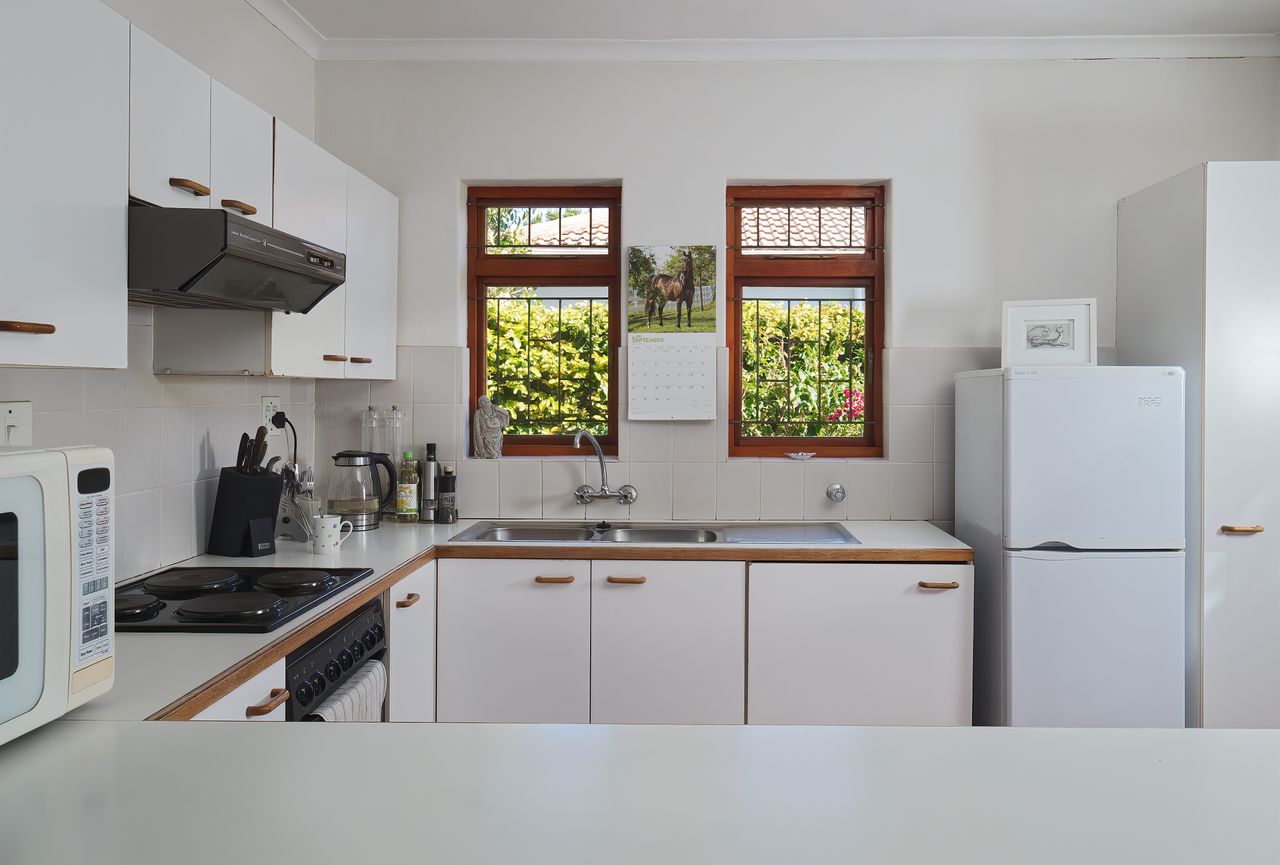
For years ceramic tiles have been the go-to product for kitchen splashbacks. But grout can be the bane of your kitchen-cleaning existence. Conventional grout is a cement-based – and very porous – product. Magnified, it doesn’t lie flat as a smooth sealant, but is reminiscent to a rough volcanic rock with thousands of small cavities. When you fry, boil water or spill sauce, these pockets will soak up the grease, moisture and other organic materials as a sponge. It is an extraordinarily difficult thing to remove from grout once it gets in. Over the years under warm humid conditions of a kitchen, these lines get infested with bacteria, black mold and yellow grease stains that have you reached for harsh chemicals and aggressive scrubbing to remove.
To an everyday audience, hygienic wall cladding can sound like something you would find in a hospital corridor or commercial factory, However, it can be used in a residential kitchen too. Instead of many small tiles pieced together with porous lines, wall cladding consists of large, solid, continuous sheets of non-porous material fitted directly over the wall space. These can replace traditional splashbacks behind the hob, sink and food preparation areas, stretching from the worktop up to the bottom of wall cabinets. As the cladding is flat and solid, it does not have anywhere where dirt can become trapped. There are no recesses, rough textures or joints for grime to hide. If oil is splattered onto the surface, it can simply be wiped away with a damp cloth and mild soapy water. Beyond hygiene, cladding will provide a 100% waterproof barrier. It completely seals the wall, ensuring that the structure of the kitchen remains dry.
Sleek Cabinet Doors
When planning a kitchen, most people choose cupboard doors based on the look. They think about the colour or wood grain, but not about the physical shape of the door and how it will interact with real life. Cupboard doors are some of the most touched surfaces in a kitchen, and as they sit directly next to worktops they are permanently in the firing line for falling crumbs, dripping liquids and airborne cooking grease. Many classic kitchen styles, such as shaker style doors, feature a recessed centre panel, creating a distinct step or ledge, alongside deep, tight angled grooves where the wood pieces join. While these designs are beautiful, they can be a nightmare for passive hygiene. Any oil that has evaporated into the air can settle on cupboards, and it will mix with dust sitting in the deep grooves of cabinet doors. Cleaning this can be a nightmare, and if left the residue can harden and become a magnet for bacteria.
Modern fitted furniture uses advanced engineering so that manufacturers are able to create perfectly flat, solid ‘slab’ cabinet doors that eliminate ledges and grooves. Integrated ‘j-pull’ grooves or modern push-to-open technology removes traditional handles entirely, which are also notorious dirt-traps. With a flat, handless surface, there is nowhere for dust to land or for grease to accumulate. Homeowners do not need to compromise on style when choosing slab style doors either, as their seamless engineering aligns with the modern trend towards minimalist and sleek aesthetics. The flat fronts of cabinets will bounce light around a room more effectively than panelled doors, making a kitchen feel larger and brighter.
The Science of Non-Porous and Seamless Finishes
Materials such as raw wood, natural stone, ceramic grout and low-quality laminate are riddled with microscopic pores and cracks. When liquid contacts them, gravity causes the liquid to flow into the material. You can wipe the surface until it looks clean, but bacteria are sheltered from cleaners deep inside the minuscule pockets and can still multiply.
Premium hygienic wall cladding and contemporary cabinet doors are completely impervious to moisture. Hygienic wall panels are generally constructed from dense PVC or other polymers that are high quality, with the surfaces bonded together with no holes or gaps. Likewise, state-of-the- art cabinet doors are produced using advanced edge-banding technology or state-of-the-art durable lacquers, protecting the core material completely. Since neither side can take on liquid, bacteria are stranded on the surface. They d o not ha v e a moist, dark space to replicate in, but they can dry out and die. Cleaning the surface means you’re coming into direct contact with the germs and actually getting rid of them instead of simply cleaning the surface.
When you combine wall cladding with flat slab cabinet doors, you’ll significantly decrease the number of physical seams in a room. These new-age materials must be strong enough to take the everyday wear and tear of cleaning and to handle the germs. Wipeable traditional wood can warp, and grout can just wear away using strong cleaners. Cladding and sealed cabinets are fine, and daily cleaning will not fade or diminish the seal protection.
A truly clean kitchen is not just about the cleaner that you keep under the sink, but it is built into the very walls and doors of the room itself. By opting for seamless wall cladding and flat cabinet doors, you drastically cut down cleaning time and create a safer environment for cooking and family life.