

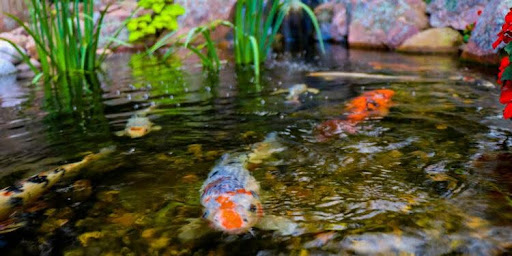
A garden pond can transform an outdoor space, providing an attractive focal point while creating a welcoming environment for fish, plants, and wildlife. However, ponds need regular attention to stay clear, balanced, and healthy.
Fortunately, pond care does not have to become a major chore. A consistent maintenance routine can prevent many common problems before they become difficult or expensive to resolve.
Remove Leaves and Debris Regularly
Leaves, twigs, dead plants, and other organic material naturally find their way into ponds. If this debris is allowed to accumulate, it can sink to the bottom and gradually decompose.
Use a pond net or skimmer to remove floating debris regularly, particularly during autumn when falling leaves can quickly build up. Cutting back dead or damaged aquatic plants can also reduce the amount of organic matter entering the water.
Keep Your Filtration System Working Properly
For ponds with filtration systems, regular checks are essential. A clogged or poorly functioning filter may struggle to remove waste effectively, contributing to cloudy water and other problems.
Inspect the filter and pump periodically and remove any obvious blockages. Pay attention to changes in water flow, as a noticeable reduction can indicate that the equipment requires cleaning or maintenance.
Manage Algae Before It Takes Over
A certain amount of algae is normal in a pond, but excessive growth can make the water unattractive and interfere with the overall balance of the pond.
Removing visible blanket weed by hand is a straightforward way to keep growth under control. Aquatic plants can also help by providing shade and competing for nutrients. Avoid allowing fertilisers, soil, grass clippings, or excessive fish food to enter the pond, as additional nutrients can encourage algae growth.
Monitor the Water
Healthy-looking water is not always healthy water. If you keep fish, checking water quality periodically can help identify problems before they begin affecting your pond life.
You should also monitor the water level. Some water loss during warm weather is normal because of evaporation, but a sudden or persistent drop may indicate a leak. Unusual smells, discolouration, or struggling fish can also be signs that something needs attention.
Avoid Overcleaning Your Pond
It can be tempting to completely drain and scrub a pond when the water begins looking untidy. However, a pond is a living ecosystem, and excessive cleaning can disturb its natural balance.
Instead, focus on regular, light maintenance. Remove unwanted debris, control excessive plant growth, and keep equipment functioning efficiently. A major clean should generally be reserved for ponds that have become heavily silted, neglected, or overgrown.
Know When Professional Help Is Useful
Some maintenance tasks are simple enough to handle yourself, while larger or persistent problems may require specialist knowledge. Heavy sludge, recurring algae, damaged equipment, poor water quality, or an extensively neglected pond can be challenging to tackle without the right tools.
Professional pond maintenance from Aqua Maintenance can provide a practical option when your pond requires more extensive cleaning or ongoing attention.
Make Pond Care a Regular Habit
The easiest way to maintain a healthy pond is to deal with small issues regularly rather than waiting for them to become major problems. A few minutes spent removing debris, checking equipment, and observing water conditions can make a significant difference.
With consistent care throughout the seasons, your pond can remain clean, attractive, and healthy while continuing to enhance your garden for years to come.