


Key Takeaways
- Get to safety and seek medical attention before focusing on paperwork or insurance calls.
- Preserve photos, witness details, reports, medical records, and damaged property whenever possible.
- Some crash injuries can become noticeable only after the initial shock has passed.
- Keep communications factual, avoid guessing about fault, and do not rush into a settlement.
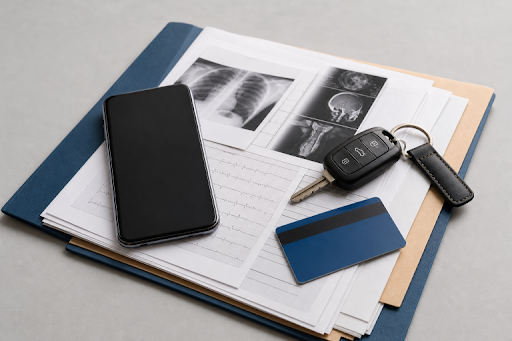
- One organized accident file can make a stressful claim much easier to follow.
A serious car crash can leave anyone shaken, sore, and unsure what to do next. The priority is always safety and medical care, but the decisions made in the following hours can also affect insurance, evidence, and recovery. When questions about an injury claim become complicated, speaking with an auto accident lawyer in Tulsa, OK, may help a person understand the options available to them. This checklist is designed to make the process more manageable. It does not replace medical advice, emergency assistance, or legal guidance. Still, it can help a driver or passenger focus on the next practical step instead of trying to solve everything at once.
Start With Safety At The Scene
The minutes after a collision can be confusing, especially on a busy road. If the vehicles can be moved safely, get out of traffic, turn on hazard lights, and use cones or warning devices if available. Call 911 when anyone may be injured, traffic is blocked, a vehicle is unsafe to drive, or the collision involves substantial damage. Do not move an injured person unless there is an immediate risk, such as fire, smoke, or approaching traffic.
When officers arrive, provide clear basic facts. Avoid arguments with the other driver, and do not speculate about speed, distance, or who caused the crash. Calm cooperation helps emergency personnel do their jobs and reduces the risk of the situation becoming more dangerous.
Seek Medical Care Even When Pain Seems Mild
Adrenaline can mask pain after a collision. Headaches, dizziness, neck stiffness, nausea, fatigue, confusion, and sleep changes may not be obvious at the scene. The symptoms of mild TBI and concussion can appear immediately or hours or days after an injury, so prompt evaluation and follow-up care may be important.
Warning Signs That Need Immediate Attention
- A worsening headache, repeated vomiting, seizure, or loss of consciousness
- New weakness, numbness, poor coordination, or slurred speech
- Severe confusion, unusual behavior, or trouble recognizing people or places
- Extreme drowsiness or difficulty waking the person
Follow the treatment plan given by a healthcare professional, attend recommended appointments, and keep visit summaries. Health needs should guide treatment decisions. Insurance concerns should never be a reason to delay necessary care.
Document The Scene Without Creating More Risk
Once the area is safe, take photos and short videos from a secure location. Capture each vehicle from several angles, including close damage shots and wide images that show the surrounding roadway. Photograph traffic signals, lane markings, road signs, weather conditions, debris, skid marks, and visible injuries when appropriate. Also note the time, exact location, and the direction each vehicle was traveling, as well as anything unusual that may soon disappear. Save dashcam footage and phone videos in their original form. If nearby homes or businesses may have cameras, write down the addresses so footage can be requested quickly. Exchange Information And Identify Witnesses
Exchange basic information with the other driver without debating responsibility. Useful details include:
- Full name, phone number, driver’s license number, and address
- Insurance company, policy information, and vehicle owner information
- Vehicle make, model, color, and license plate number
- The names and contact details of passengers and independent witnesses
Witnesses can be particularly valuable because they may have seen a traffic light, a lane change, a sudden stop, or another detail that neither driver fully noticed. Ask for contact information, but do not pressure anyone to take sides.
Read The Police Report Carefully
A police report can organize important details such as the parties involved, witness names, road conditions, citations, and an officer’s observations. Request a copy when it becomes available and check it for obvious errors, including a wrong location, vehicle description, or missing witness. The report matters, but it is not necessarily the final answer on fault.
Notify The Right Insurance Companies
Report the collision according to the notice requirements in your own insurance policy. Reporting a crash is different from giving a long recorded statement. Early conversations should be brief, accurate, and limited to facts you know. Ask for the claim number, adjuster’s name, and contact information in writing. Do not guess about injuries, speed, fault, or future medical needs. An adjuster may be courteous and responsive while still working for the insurer. Before signing a release or accepting payment, make sure you understand the medical expenses, lost income, property damage, and other losses that may still develop.
Build A Simple Accident File
Create one paper folder or secure digital folder as soon as possible. Divide it into these categories:
- Medical: Bills, prescriptions, test results, care instructions, and appointment summaries.
- Income: Missed-work dates, pay stubs, employer letters, and benefit records.
- Property: Repair estimates, towing invoices, rental costs, and vehicle photos.
- Communication: Emails, letters, claim numbers, and notes from phone calls.
- Daily effects: Brief entries about pain, sleep, mobility, missed activities, and limitations.
After every significant call, write down the date, time, person involved, key statements, and promised next step. Small notes can become very useful when a claim lasts for months.
Protect Evidence Before It Disappears
Evidence can be lost quickly. Security footage may be overwritten, damaged vehicles may be repaired, and roadway debris may be cleared away. Preserve original images, keep damaged personal property when practical, and ask repair shops to retain inspection notes and photographs. If an air bag deployed, do not drive the vehicle until it has been properly repaired. Federal safety guidance states that used airbags should be replaced after a crash before the vehicle is returned to the road. Keep records concerning the deployment, repairs, and any replaced parts. It is also wise to limit social media posts about the crash, injuries, activities, or insurance disputes. A short post can be misunderstood when it is taken out of context.
Common Mistakes That Can Create Problems
- Leaving the scene of a serious collision without reporting it.
- Skipping medical care because symptoms initially seem manageable.
- Giving inconsistent accounts or guessing about important facts.
- Discarding damaged property, receipts, or treatment paperwork.
- Posting detailed updates that may be taken out of context.
- Accepting a quick settlement before the full impact of injuries is known.
- Missing an insurance, court, or other applicable deadline.
When A Legal Consultation May Be Helpful
Legal guidance may be useful when injuries are serious, fault is disputed, multiple vehicles are involved, a commercial driver is involved, or an insurer delays or denies a claim. It may also help when a person cannot work, requires extended treatment, or is unsure which policy applies. Bring a timeline, medical records, photos, the police report, and the accident file to any consultation.
Frequently Asked Questions
Should A Driver Admit Fault At The Scene?
No. Provide identifying and insurance information, cooperate with emergency responders, and describe facts accurately. Avoid broad admissions or arguments before all relevant facts are known.
What If Pain Starts A Day Or Two Later?
Seek medical advice promptly. Delayed symptoms can still be significant, and timely documentation helps create an accurate record of the condition and recommended treatment.
How Long Should Accident Records Be Kept?
Keep them until the claim, repairs, bills, and related issues are fully resolved. Save digital backups of important documents in case paper copies are lost.
Conclusion
After a crash, focus on a simple order of priorities: get safe, get medical care, document the facts, protect evidence, and keep organized records. Taking steady steps early can reduce confusion and support both physical recovery and the insurance process that follows. If possible, record important details such as the location, vehicle damage, road conditions, witness information, and any reports provided by authorities. Keep copies of medical records, receipts, repair estimates, insurance correspondence, and other relevant documents in one place. Avoid guessing about details or making statements that could be misunderstood later. A calm, organized approach can make it easier to track what happened, understand the next steps, and communicate clearly with medical providers, insurers, and other parties involved in the claim.