

Ankle injuries are among the most common musculoskeletal injuries people deal with, whether from a misstep on uneven ground, a sports collision, or a landing gone wrong. What varies enormously is how well people recover, and that difference almost always comes down to whether the injury was properly rehabilitated or simply rested and ignored until it felt better enough to use again.
At Total Performance Physical Therapy, we see both. The patients who follow a structured program consistently recover more fully and with a lower rate of re-injury than those who rely on rest alone. Here is what that structured recovery actually looks like, stage by stage.
Understanding Ankle Injuries
Sprains are the most common and involve anything from a slight stretching of ligaments to complete ruptures. The degree of ligament injury varies and influences how much stability the ankle has lost. Tendon injuries are a sort of “middle ground” between the two. The Achilles and peroneal tendons are frequently involved, and whether the onset was acute or insidious determines how it is treated. Fractures require a period of protected healing prior to any significant rehab. Chronic ankle instability is another beast entirely. It happens when a previous injury was never properly rehabilitated, and the ankle gradually loses the neuromuscular control it needs to keep itself stable, leading to more sprains like clockwork.
Several things influence the length of recovery. The extent of the injury, age and overall health of the person, prior activity level, how soon treatment was initiated and that person’s compliance with the rehabilitation program.
Stage 1: Managing Pain and Swelling
This is where the ankle injury recovery timeline starts, and it matters more than most people give it credit for. The priority is protecting the injured structures from further damage while keeping the joint from stiffening unnecessarily.
Early controlled movement, within whatever range is pain-free and appropriate, keeps blood and lymphatic fluid moving and prevents the joint from seizing up during the inflammatory phase. Early weight-bearing, when appropriate for the specific injury, is introduced carefully. The research consistently supports earlier movement over prolonged immobilization for most ankle injuries.
Total Performance Physical Therapy’s first visit includes a comprehensive evaluation of the injury, the structures involved, and the demands the patient needs to return to daily. From there, a customised treatment plan is created that targets the patient’s specific stage of healing, rather than a one-size-fits-all approach that doesn’t account for injury severity.
Stage 2: Restoring Mobility
Once the initial pain and swelling have settled enough to allow real movement, stiffness becomes the next thing to address. It builds quickly during the protective phase and needs deliberate work before strengthening can actually be effective.
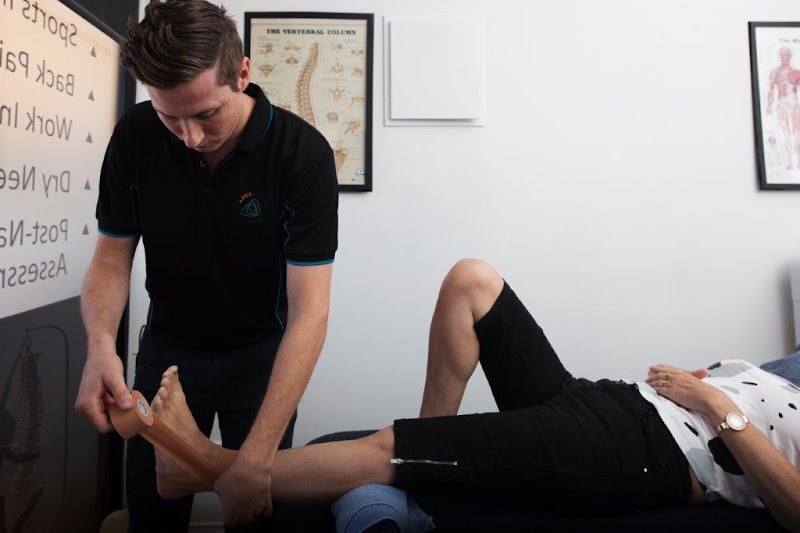
Stretching works on the calf, Achilles, and surrounding tissue. Manual therapy addresses the joint restriction and tightness that built up during immobilization. Range of motion exercises progress as the ankle tolerates more. Ankle rehabilitation in Hatfield at Total Performance Physical Therapy takes this phase seriously because skipping ahead to strengthen before mobility is restored is one of the more reliable ways to create a longer problem.
Stage 3: Building Strength and Stability
Stage three is where the real rebuilding begins. The muscles surrounding the ankle, particularly the peroneals, tibialis posterior, and calf complex, need progressive loading to rebuild the capacity that protects the joint during daily activity and sport.
Balance and coordination work begins here as well. Proprioception, the ankle’s ability to sense its position and respond to instability, is almost always disrupted by injury. Single-leg balance drills, progressing to unstable surfaces and then to dynamic challenges, retrain the neuromuscular system that keeps the ankle stable when the ground shifts unexpectedly.
Resistance work builds progressively on top of bodyweight exercises as capacity improves. This is the stage where self-managed recovery most often falls short. The ankle starts to feel normal in everyday situations and the temptation to stop there is real. But feeling fine on flat ground and being ready for sport are two very different things.
Stage 4: Returning to Daily Activities
The markers here are practical. Walking without pain, managing stairs without hesitation, standing through a full day without the ankle becoming an issue. Functional training at this stage is built around real-life demands rather than exercises that only work in controlled conditions.
Ankle rehabilitation near me at Total Performance Physical Therapy tracks this carefully because feeling better and being ready are not the same thing. The ankle has to show it can handle what is coming before it is asked to do it.
Stage 5: Returning to Sport and Higher-Level Activity
For athletes this is where rehabilitation starts to look like training again. Agility work, direction changes, plyometrics, jumping and landing mechanics. Each piece is introduced progressively and built on what the earlier stages established.
Time passing and pain settling are not the same as being ready. The ankle has to show it can actually handle what is being asked of it before those demands go back up. Sports injury rehabilitation in North Wales at Total Performance Physical Therapy does not treat time as the deciding factor. The ankle has to earn its return through demonstrated readiness.
Injury prevention strategies are incorporated throughout this phase. This is what a complete rehabilitation program provides: knowledge of what caused the initial injury, correction of the movement patterns that led to it, and the strength to meet future demands without further injury.
Mistakes That Slow Recovery
A few patterns consistently set recovery back. Stopping exercises when the ankle feels better rather than when rehabilitation is actually complete. Pushing through pain that is trying to communicate something. Wearing the wrong footwear during a period when the ankle needs every advantage it can get. Each of these seems minor in isolation. Together they explain why so many ankle injuries become recurring ones.
Tips for a Smoother Recovery
A few habits make a real difference outside the clinic. The home exercise program is not supplementary. It is where the gains from each session get reinforced before the next one. Skipping it means starting each visit closer to where the last one left off rather than building on it. Progress activity gradually rather than testing limits before they are ready to be tested. Wear supportive footwear during recovery. Stay focused on ankle strengthening exercises even when the ankle starts to feel normal, because that feeling precedes full rehabilitation readiness by several weeks in most cases.
The Bottom Line
Every ankle heals at its own pace, but the structure of rehabilitation should not be left to chance. Sports injury rehabilitation in North Wales, ankle rehabilitation near me, and ankle rehabilitation in Hatfield at Total Performance Physical Therapy all follow the same principle: meet the patient where they are, progress them deliberately, and make sure the ankle is genuinely ready for whatever comes next.