


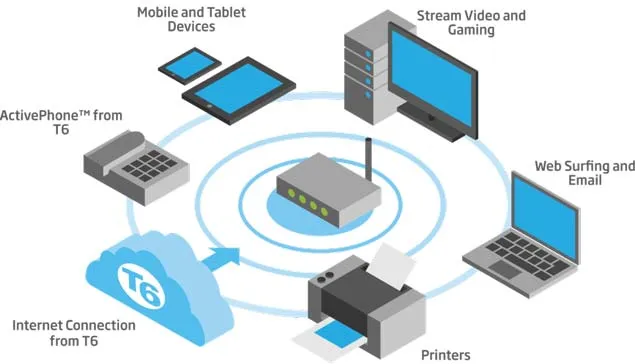
Every new gadget plugged into a store’s network adds another door in. That’s part of why commercial iot services increasingly keep devices separated from each other in the setup itself, instead of adding that later. A security camera, a smart shelf sensor, a self-serve kiosk, each one is handy on its own. Together, they quietly add up to more ways in, on a network that was never built for this many devices.
Most retailers aren’t thinking about this when they add a new device. They’re thinking about the problem it solves. Faster checkout. Better stock tracking. Fewer blind spots on the sales floor. The security question tends to come up later, usually after something has already gone wrong somewhere else in the industry and made the news.
Not Every Device Deserves the Same Trust
A camera and a card reader are not equally risky, even though both often sit on the same network in a lot of stores. A camera handles footage, mostly. A card reader touches payment data covered by strict industry rules, which is a much bigger deal if something goes wrong. Treat them the same, and the weaker device quietly sets the risk level for the stronger one.
Keeping Devices Apart Does What Passwords Can’t
This is where keeping devices apart earns its keep. Put payment systems in their own zone, keep cameras and sensors in another, and push guest wifi somewhere else entirely, and trouble in one zone stops spreading to the rest almost on its own. A hacked sensor stays a small, contained problem instead of a path straight to the payment system.
Choosing commercial iot services with that kind of separation built in means one hacked camera or sensor can’t easily reach the systems that actually matter. It sounds like a small design detail. In practice, it’s often the difference between a small incident and a much bigger one.
Following the Rules Gets Easier This Way
Rules around handling payment data exist for a reason, and they tend to reward exactly this kind of separation. Keeping non-payment devices off the same network zone as card readers doesn’t just cut risk. It also cuts down what auditors need to check when it’s time to prove a store handles customer data the right way. Fewer systems to check usually means a shorter, easier audit.
That difference, what falls inside the audit and what falls outside it, often comes down entirely to how the network is built, not anything written in a policy paper. A camera sitting on the same part of the network as a payment terminal pulls that camera into the audit, whether or not it ever touches a sale. Move it to its own zone, and it simply stops being the auditor’s problem.
Growth Doesn’t Have to Mean More Risk
None of this means treating every new device with suspicion. It’s to make sure the network grows in a way that keeps problems contained instead of letting them spread.
A lot of retail security advice focuses on locking the front door. Stronger passwords. Better firewalls. More monitoring. All of that still matters. But a network built around separated zones does something those steps can’t. It plans for something eventually getting through, and makes sure that when it does, it doesn’t get far.
What Decides the Risk
The devices themselves rarely show which ones need the most protection. A vending machine looks harmless because it usually is. What decides the risk isn’t the device itself so much as what it can reach once it’s connected, and that’s worth asking about every new device before it goes live, not after it’s already on the network.