Visual content has become a core part of how people communicate, market products, and tell stories. Not long ago, producing a polished image required specialized software, years of practice, and a good deal of time. Today, artificial intelligence tools can generate and edit images from a short written description, and the quality has improved quickly. This shift is affecting designers, marketers, small business owners, and hobbyists alike.
This article looks at how these tools work, where they are useful, what their limits are, and how to choose one wisely.
A Closer Look at the New Wave of AI Image Tools
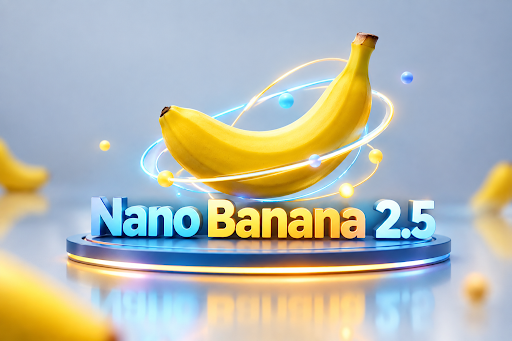
Among the newer names in this space, Nano Banana 2.5 has drawn attention for combining image generation with flexible editing in a single workflow. Instead of asking users to learn complex layers and masks, tools of this kind let people describe a change in plain language, such as adjusting lighting, swapping a background, or altering the style of a scene. The appeal is straightforward: less technical friction between an idea and a finished visual.
Behind this convenience is a type of machine learning model trained on very large collections of images paired with text descriptions. Through that training, the model learns how words relate to shapes, colors, textures, and compositions. When a user enters a prompt, the model builds an image step by step, refining random noise into a coherent picture that matches the request. Editing works in a similar way, except the model starts from an existing image and applies the requested changes while trying to preserve everything else.
Key Capabilities That Matter
Not every AI image tool offers the same features, and the differences can affect your results significantly. Several capabilities tend to matter most in everyday use.
Prompt understanding. A strong tool interprets detailed instructions accurately, including the position of objects, the mood of a scene, and the style of the artwork. Weak prompt understanding leads to repeated attempts and wasted time.
Consistency. Many creators need the same character, product, or setting to appear across multiple images. Tools that maintain a consistent look across outputs are far more useful for branding, storytelling, and campaigns.
Targeted editing. The ability to change one part of an image without disturbing the rest is a major time saver. For example, changing the color of a jacket while keeping the face, pose, and background untouched is a task that used to demand careful manual work.
Speed and resolution. Fast generation encourages experimentation, and higher resolution output makes images suitable for print and large displays, not just social media posts.
Practical Uses Across Different Fields
The range of practical applications continues to grow. Here are some of the most common examples.
Marketing and advertising. Teams can produce concept visuals, social media graphics, and banner variations quickly. Instead of commissioning several drafts, a marketer can test multiple directions in an afternoon and then bring the strongest idea to a professional designer for final polish.
E-commerce. Online sellers often need product images in different settings. AI editing can place an item in a lifestyle scene, adjust the background, or create seasonal variations without organizing a new photo shoot.
Education and presentations. Teachers and trainers can create custom illustrations to explain abstract topics, which makes materials more engaging without requiring a design budget.
Personal creativity. Hobbyists use these tools for digital art, character concepts, storyboards, and photo restoration. The barrier to entry is low, which invites experimentation.
Prototyping. Product designers and game developers can sketch out environments, characters, and interface ideas early in a project, then refine the promising ones with traditional methods.
Limitations and Responsible Use
Despite the progress, these tools are not perfect, and users should approach them with realistic expectations. Common issues include distorted hands or small details, inconsistent text within images, and occasional misunderstandings of complex prompts. Results can vary from one attempt to the next, so patience and iteration are part of the process.
There are also broader considerations. Questions about copyright, training data, and the rights of original artists remain active topics of discussion, and rules differ between regions. Users who publish AI generated images commercially should review the terms of the platform they use and stay informed about relevant regulations.
Transparency matters as well. Realistic generated images can be mistaken for photographs, which raises concerns about misinformation. Labeling AI generated content, avoiding deceptive uses, and respecting the likeness of real people are practical habits that help maintain trust. Many platforms now include watermarks or metadata that indicate an image was created by AI, and it is good practice to keep those markers intact.
How to Choose the Right Tool
With so many options available, choosing a tool can feel overwhelming. A few practical steps can simplify the decision.
First, define your main purpose. A social media manager, a product photographer, and a concept artist all need different strengths. Second, test the tool with the kinds of prompts you actually plan to use, rather than relying only on showcase examples. Third, review the licensing terms to confirm that your intended use, especially commercial use, is permitted. Fourth, consider how easily the tool fits into your existing workflow, including export formats and integration with other software.
Finally, look at the learning curve and community support. Tutorials, prompt guides, and active user communities can shorten the time it takes to get consistent results. A tool with slightly fewer features but better documentation may serve you better than a powerful one that is hard to understand.
Conclusion
AI image generation and editing have moved from novelty to practical utility in a remarkably short time. Tools such as Nano Banana 2.5 show how natural language instructions can replace many of the technical steps that once stood between an idea and a finished image. The benefits are clear, including faster production, lower costs, and wider access to visual creativity.
At the same time, the technology works best when paired with human judgment. Reviewing outputs carefully, respecting copyright and privacy, and being honest about how images were made all contribute to responsible use. Whether you are a professional looking to speed up your process or a beginner exploring digital art, the most effective approach is to experiment thoughtfully, learn the strengths and weaknesses of your chosen tool, and treat AI as a creative partner rather than a replacement for skill and imagination.