


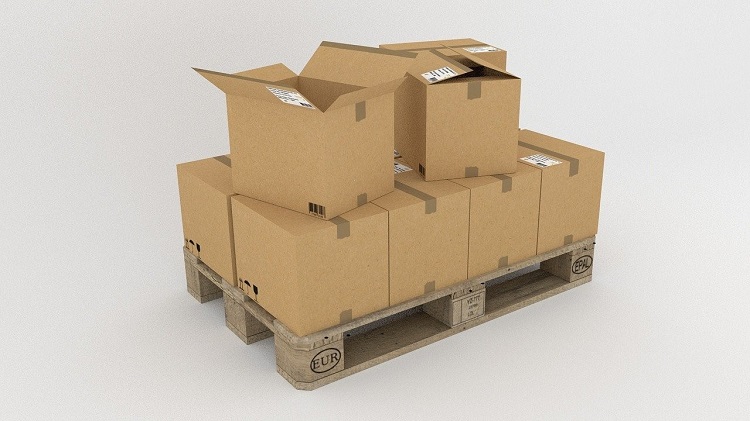
Every parcel leaving a business needs to achieve two things: reach the customer safely and move through the fulfilment process efficiently. The packaging you choose can have a considerable influence on both.
Boxes that are too large can require unnecessary filling materials, while unsuitable packaging may leave products vulnerable to damage. A well-planned approach can make orders quicker to prepare, easier to handle and better protected throughout their journey.
Assess the Product Before Choosing Packaging
Packaging decisions should begin with what is actually being dispatched.Consider the product’s dimensions, weight, shape and vulnerability to damage. A lightweight clothing order has very different requirements from glassware, electronics or several heavy items travelling together.
Businesses handling a varied product range may benefit from keeping several packaging options available. Exploring different sizes and formats of Priory Direct cardboard boxes can help when matching outer packaging more closely to individual dispatch requirements.
Find the Right Size
Bigger is not automatically safer and it can create waste.An oversized box creates empty space in which products can move around. Preventing that movement often requires additional protective material, adding another step to the packing process.
At the other extreme, packaging that is too small can leave insufficient room for cushioning around vulnerable products.The ideal size provides enough space for necessary protection without creating large areas of unused space.
Consider What Happens During Delivery
A parcel that looks perfectly secure on a packing bench still has an entire delivery network to navigate.It may travel along conveyor systems, be loaded into different vehicles, and have other parcels placed around it. Packaging should therefore be selected with handling and transportation in mind.
Heavier products need sufficiently robust packaging, while fragile items may require cushioning or separation from other items in the same order.
Make Packaging Easy for Teams to Select
Efficiency can suffer when employees have too many packaging choices.Instead of expecting packers to make a new decision for every order, businesses can establish preferred box sizes for frequently purchased products and combinations.
For example, one box might be designated for single-item orders while another accommodates a common three-product combination. Clear guidelines can reduce uncertainty and make the packing process easier to repeat.
Keep Frequently Used Materials Close
The organisation of the packing station can also affect dispatch speed.If employees repeatedly have to leave their workstation to find boxes, tape or protective materials, small delays accumulate throughout the day.
Frequently used packaging should therefore be readily accessible, with less common sizes stored elsewhere. The aim is to create a natural workflow in which everything needed for a typical parcel is close at hand.
Use Protection Strategically
Safe dispatch does not mean adding as much protective material as possible.The type and amount of protection should reflect the product. Fragile areas might require cushioning, multiple products may need separating, and empty spaces may need filling to prevent movement.Using protection strategically can provide greater security without making every parcel unnecessarily bulky.
Factor in the Customer Experience
The packaging process might happen behind the scenes, but customers see the final result.A parcel that arrives securely packed and appropriately sized can create a sense that the order has been prepared with care. Excessive packaging, difficult opening, or damaged outer boxes can have the opposite effect.
Good packaging should balance the practical requirements of transportation with what happens when the parcel reaches its destination.
Review What Is and Is Not Working
Packaging requirements can change as a business grows.Look at damage reports, customer feedback, and the amount of material being used for common orders. If one product regularly arrives damaged, its packaging may need additional protection. If employees consistently use oversized boxes for another product, adding a more suitable size could improve efficiency.
The best packaging system is not necessarily the most complicated. It is one that makes it easy to choose the right materials, prepare orders consistently, and give products suitable protection for the journey ahead.
By treating packaging as part of the wider fulfilment process rather than an afterthought, businesses can make dispatch both safer and more efficient.