


Essential Insights for Restoring Weathered Outdoor Concrete
- Weathering from heavy rain, heat, and carbonation weakens outdoor concrete structures over time.
- Detecting surface cracks and spalling early prevents severe structural damage and costly rebuilding.
- High-performance mortars and protective coatings ensure long-lasting concrete repair.
- Addressing moisture infiltration is critical to stop internal steel reinforcement corrosion permanently.
Safeguard Your Outdoor Concrete Against Heavy Weathering
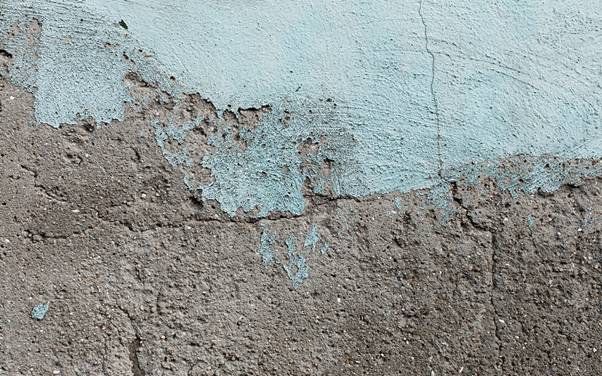
Outdoor concrete structures face constant exposure to nature’s harsher elements. Tropical heat, heavy downpours, and atmospheric pollution take a steady toll on garden walls, building facades, walkways, and supporting pillars. Over time, what started as a crisp, solid surface begins to show its age through hairline cracks, surface flaking, or unsightly discolouration.
Ignoring these subtle warnings allows moisture and carbon dioxide to reach the internal steel reinforcement, triggering rust and rapid deterioration. Carrying out timely concrete repair restores both structural integrity and visual appeal before minor blemishes escalate into expensive hazards. Understanding how weathering affects concrete helps property managers and homeowners select the right materials and methods for lasting protection.
What Causes Outdoor Concrete Structures to Weather and Crack?
Primary Drivers of Concrete Surface Degradation
Outdoor concrete degrades primarily because of moisture, thermal expansion, and carbonation. Rainwater easily finds its way into porous concrete surfaces. When combined with tropical heat, water accelerates chemical reactions that break down the cement matrix over time.
In urban environments, carbon dioxide in the air reacts with calcium hydroxide inside the concrete—a process known as carbonation. This lowers the concrete’s natural alkalinity, leaving the internal steel reinforcement vulnerable to corrosion. As rusty steel expands, it creates strong internal pressure, pushing outward until the concrete cracks and flakes off. This condition, commonly referred to as spalling concrete, compromises structural strength. Identifying these causes early allows property owners to choose targeted concrete repair products that address moisture penetration and atmospheric exposure directly.
How Can You Identify Early Signs of Concrete Damage?
Key Visual Indicators to Watch Out For
Spotting signs of concrete distress early saves time and substantial financial investment. Before concrete crumbles completely, it displays clear warning signals. Property managers should regularly inspect exterior walls, staircases, and balcony overhangs for these subtle cues:
- Hairline surface cracks that gradually widen after heavy rainstorms.
- Rust-coloured staining bleeding through the painted or raw concrete surface.
- Flaking, peeling, or hollow-sounding patches when tapped lightly with a hammer.
- Efflorescence, which appears as white powdery salt deposits on the outer wall.
Recognising these indicators promptly ensures you can address the issue before internal steel corrosion causes major structural instability. Prompt action keeps maintenance straightforward and manageable.
What Is the Most Effective Process for Outdoor Concrete Repair?
Step-by-Step Restoration Procedure
Achieving a durable finish requires a systematic approach rather than a quick cosmetic cover-up. To ensure the repair withstands harsh outdoor conditions, follow these established steps:
- Surface Preparation: Remove all loose, flaking, or deteriorated concrete using mechanical chisels or high-pressure water jets to reach sound substrate.
- Steel Protection: Clean exposed steel reinforcement bars thoroughly to remove rust, then apply a protective anti-corrosion primer.
- Mortar Application: Rebuild the profile using specialised polymer-modified repair mortars that offer excellent adhesion and low shrinkage.
- Surface Finishing and Sealing: Apply a breathable, protective, water-repellent coating across the entire structure to prevent future water ingress.
Following these precise steps guarantees that your concrete repair lasts against heavy rains and intense sunlight.
Which Products Ensure Long-Term Concrete Protection?
Selecting Advanced Repair Mortars and Sealer Systems
Choosing the right repair materials determines how well an outdoor structure copes with harsh weather. Standard cement mixes often lack the flexibility and adhesion necessary for exterior applications. Modern repair formulations include polymer-modified mortar blends that bond tightly to existing substrates while resisting shrinkage and cracking.
Furthermore, applying protective hydrophobic coatings creates a barrier against water and chloride penetration without trapping internal moisture vapour. Using high-quality specialised products ensures that repaired pillars, retaining walls, and facades maintain their strength for years. Selecting proven materials designed for tropical conditions guarantees that your maintenance efforts deliver lasting value and structural safety.
Protect and Preserve Your Outdoor Concrete Today
Weathered outdoor concrete doesn’t have to lead to severe structural decay or costly rebuilds. By identifying early warning signs, understanding the root causes of deterioration, and using correct repair techniques, you keep outdoor structures safe, resilient, and visually appealing. Investing in quality materials today prevents extensive damage tomorrow, keeping your property secure against rain and sun.
Reach out to us at Mapei Far East to explore specialised concrete repair solutions and keep your outdoor structures strong for years to come.